Connect with us

International

Stuntman launches legal action against Warner Bros

Published

on

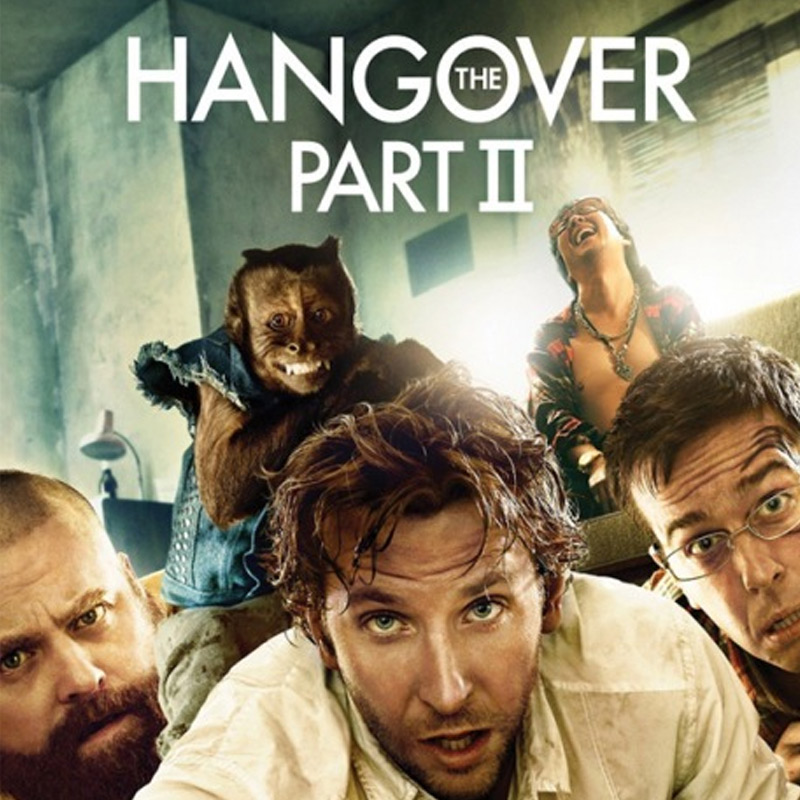
MUMBAI: An Australian stuntman, who suffered serious brain injuries while filming Warner Bros Hangover: Part Two in Thailand, has initiated legal action against the studio.

Scott McLean was doubling for Ed Helms during a car-chase sequence when his head smashed into a moving vehicle, leaving him with a huge gash over the right side of his head and flesh torn from his skull.

The stuntsman, who according to his legal representatives is likely to suffer “permanent brain and physical injuries”, is suing for unspecified damages, it is understood.

Advertisement

The clip he was filming shows the movie‘s stars being chased in a taxi by two Russian gangsters on motorbikes. In his lawsuit, the stuntman claims that the action sequence needed “precision and timing” but stunt coordinator Russell Solberg changed the timing just after they had started performing the stunt.

“Solberg commanded to the driver of the automobile in which plaintiff Scott McLean was a passenger, that the speed of his vehicle be increased significantly to a speed unsafe for the stunt, thus resulting in a major collision,” McLean claimed in his lawsuit.

In a statement Warner Bros said, “We were shocked and saddened by this accident and have been working closely with Scott and his family throughout his treatment and recovery. We have offered continual support since the accident occurred and we are working together to try and resolve any outstanding issues.”


Advertisement
Click to comment

Leave a Reply

Your email address will not be published. Required fields are marked *

International

Utopai Studios unveils 4K three-minute video generation for PAI platform

New Story Agent and editing tools aim to streamline AI-led filmmaking workflows

Published

on

MUMBAI: Utopai Studios has announced a major upgrade to its PAI storytelling AI platform, introducing what it claims is an industry-first capability to generate three-minute videos in 4K resolution, alongside enhancements to its Story Agent feature.

The update, rolling out from April 15, expands the platform’s capabilities across the filmmaking process, from early concept development to post-production. The company said the new features are designed to help filmmakers maintain continuity across characters, scenes and visual styles, a key challenge in AI-driven storytelling.

At the heart of the release is a next-generation model that enables more structured narrative development, allowing creators to move more seamlessly from idea to execution. With tools such as multi-shot sequencing and multi-turn editing, the platform aims to give both studios and independent creators greater control over complex storytelling workflows.

Advertisement

Commenting on the launch, Utopai Studios co-founder and CTO Jie Yang said, “The next phase of AI in media will not be defined by isolated tools, but by systems that can carry story, continuity and collaboration across the full creative process.” He added that the update is a step towards enabling more practical, end-to-end narrative development at a professional level.

Echoing this, Utopai Studios co-founder and chief scientific officer Zijian He said, “Generative video is opening the door to a new production model, where creative ambition is less constrained by traditional cost and complexity.” He noted that the platform combines multimodal models with iterative editing to give creators more speed, control and consistency.

The company said PAI is already being used in professional film and television productions, particularly in Hollywood, for tasks such as pre-visualisation, scene design and post-production refinements. The latest update adds features including improved voice options, character consistency, unlimited editing and more flexible asset management.

Advertisement

Utopai also emphasised that its models are not trained on copyrighted material, positioning the platform as a cleaner alternative for creators and rights holders navigating the evolving AI landscape.

As AI continues to reshape content creation, Utopai’s latest push signals a shift from standalone tools to integrated systems, aiming to make high-quality filmmaking faster, more flexible and increasingly accessible.

Advertisement
Continue Reading

Advertisement News18
Advertisement
Advertisement
Advertisement
Advertisement Whtasapp
Advertisement Year Enders

Indian Television Dot Com Pvt Ltd

Signup for news and special offers!

Copyright © 2026 Indian Television Dot Com PVT LTD