Hollywood
Paramount to shoulder $79bn debt in $110bn Warner Bros deal
Ellison vows no cable sell-offs as studios unite to take on Netflix


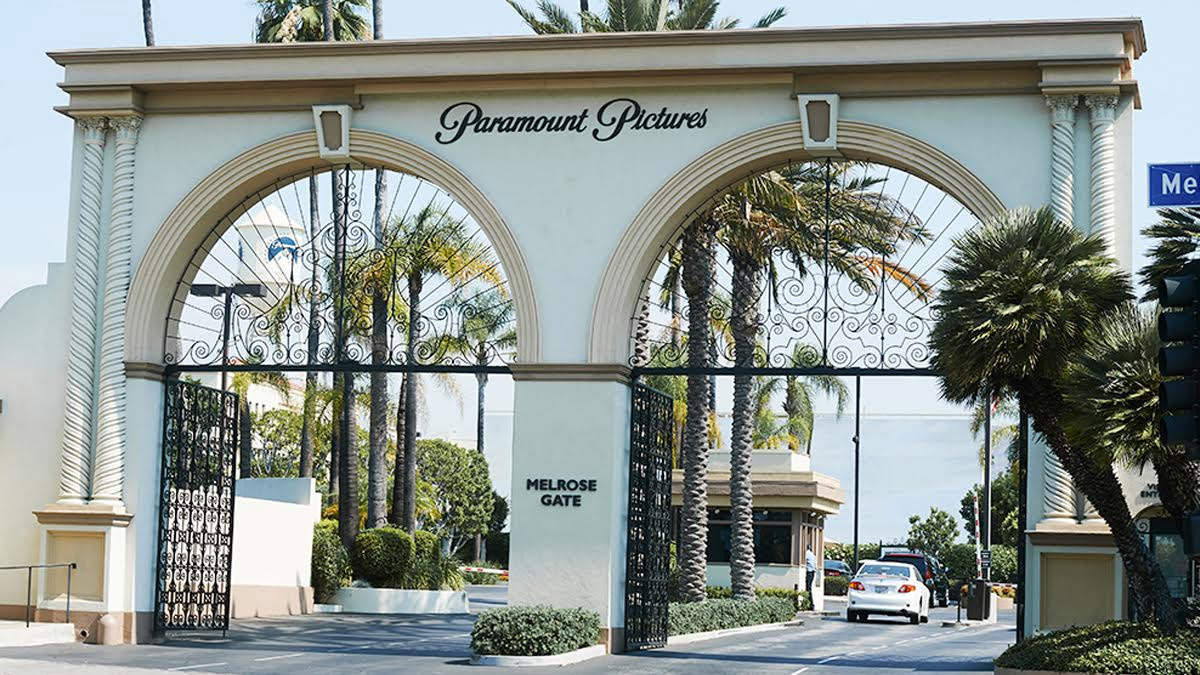
LOS ANGELES: In a Hollywood plot twist worthy of its own blockbuster, Paramount is set to carry net debt of about $79 billion after sealing its $110 billion takeover of Warner Bros, creating one of the most formidable entertainment groups on the planet.
The deal, signed on Friday at $31 a share, ends months of bidding drama with Netflix, which ultimately declined to raise its offer. Paramount will also pay a $2.8 billion termination fee owed to Netflix, clearing the decks for the merger, which is expected to close in the third quarter.
At the helm is David Ellison, son of billionaire Larry Ellison, who pitched the transaction as less about scale for scale’s sake and more about rewriting the rules of modern media.
“This is not about consolidation, it’s about reinventing the business,” Ellison told analysts, promising that the combined group would expand its reach while sharpening its storytelling edge.
The new entity will merge Paramount+ and HBO Max into a single streaming platform, instantly creating a service with more than 200 million direct-to-consumer subscribers across over 100 regions. The ambition is clear: build the heft needed to compete with streaming’s dominant force, Netflix.
Ellison confirmed that films will continue to enjoy 45-day theatrical windows before moving to premium video on demand, underscoring his belief that cinema remains the launchpad for enduring franchises.
“Franchises are launched in theatres, period,” he said, drawing a firm line under his commitment to the big screen.
The merger unites two storied studios, Warner Bros. and Paramount Pictures, alongside a powerful roster of television brands. Under one corporate roof will sit CBS, MTV, Comedy Central and BET, together with CNN, HBO, TNT and Food Network.
The intellectual property vault reads like a Hollywood hall of fame: Game of Thrones, Harry Potter, Top Gun, the DC Universe, Mission: Impossible and SpongeBob SquarePants among them. Together, they form one of the deepest catalogues in the industry.
The combined company expects to produce at least 30 theatrical films a year, maintaining both studios rather than folding one into the other.
Despite the hefty debt load, Paramount’s leadership was unequivocal about one point: there are no plans to spin off or sell the cable networks. Chief strategy officer Andy Gordon said the group believes firmly in the assets it is acquiring, while targeting $6 billion in cost savings and a three-times leverage ratio within three years.
That belt-tightening will inevitably raise concerns about jobs, though executives stressed that most savings would not come from production cuts and pledged continued support for HBO’s creative independence.
The transaction is expected to secure European Union approval with only minor concessions, though scrutiny is mounting in the United States. California Attorney General Rob Bonta has signalled a vigorous review, and cinema operators have warned that fewer studios could mean fewer films and potential job losses.
For now, however, the script is set. Paramount is betting big, borrowing big and thinking bigger. If Ellison’s vision holds, the merger could reshape the entertainment landscape. If not, it may prove that in Hollywood, even the grandest productions can run over budget.