iWorld
Streaming smashes TV records as viewing hits new highs in December: Nielsen report

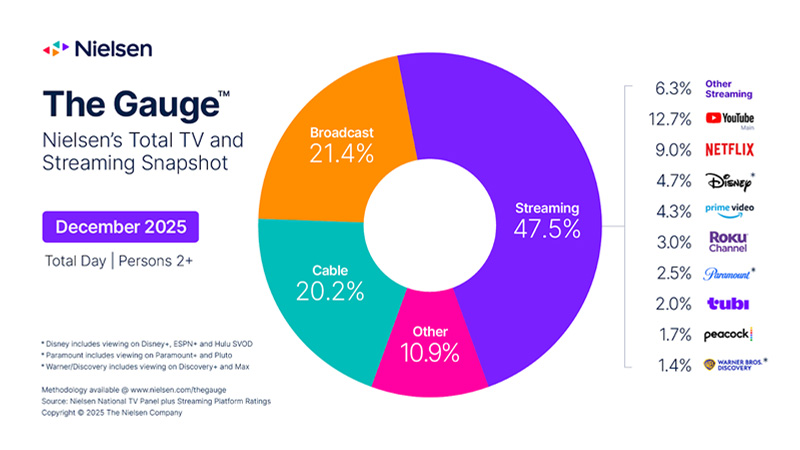
NEW YORK: Streaming tightened its grip on television in December 2025, capturing a record 47.5 per cent of total TV viewing and eclipsing the previous high set just five months earlier, according to Nielsen’s The Gauge.
The milestone month was powered by a historic Christmas Day surge, when streaming clocked 55.1 billion viewing minutes, the highest single-day total ever recorded. That figure smashed the previous record of 51.2 billion minutes set on December 25, 2024, and marked only the second time daily streaming consumption has crossed the 50-billion-minute threshold.
The spike was driven by back-to-back NFL games on Netflix, followed by the release of new episodes of Stranger Things, and capped by Prime Video’s late NFL fixture. Together, Netflix and Prime Video commanded 22.5 per cent of all TV usage on the day. Streaming overall accounted for 54 per cent of Christmas Day viewing, the largest single-day share ever logged by the category.

December delivered another first on December 13, when streaming crossed the 50 per cent mark for daily TV usage for the first time, reaching 50.4 per cent.
Across the month, streaming usage rose 3 per cent from November, double the growth rate of total television. Four platforms posted their strongest-ever monthly shares.
Netflix led with 9.0 per cent of total TV viewing, up 10 per cent month on month. Stranger Things alone generated more than 15 billion viewing minutes, making it December’s most-watched streaming title.
Prime Video climbed to 4.3 per cent of TV, rising 12 per cent versus November and beating its previous platform record by 0.3 percentage points. Growth was fuelled by four NFL Thursday Night Football games, including a record-breaking Christmas Day match-up, alongside new episodes of Fallout.
The Roku Channel reached an all-time high of 3.0 per cent of TV viewing, edging up 0.1 percentage point from November, while Paramount Streaming hit a collective 2.5 per cent share across Paramount+ and Pluto. Its original series Landman generated 6.2 billion viewing minutes, ranking as December’s second most-watched streaming title.
Traditional television continued to lose ground. Broadcast accounted for 21.4 per cent of total viewing in December, while cable slipped to 20.2 per cent.
CBS and Fox dominated broadcast rankings. Fox’s Eagles vs Bills NFL game on December 28 topped the month, followed by Steelers vs Lions on CBS on December 21. CBS also claimed the largest non-sports audiences, with Tracker and 60 Minutes each drawing more than 10 million viewers on a live plus seven-day basis.
Cable sports provided a rare bright spot, with viewing up 16 per cent in December to represent 9 per cent of total cable consumption. NFL games filled the top five cable telecasts, led by all four Monday Night Football games on ESPN, followed by NFL Network’s Texans vs Chargers clash on December 27.
The December 2025 reporting period spanned five weeks, from December 1 to December 28, in line with Nielsen’s broadcast calendar.
The message from the data is blunt. Streaming no longer nibbles at television’s edges. It owns the calendar’s biggest days, the industry’s biggest audiences — and increasingly, the screen itself.





iWorld
OpenAI hits back at Elon Musk’s lawsuit ahead of trial
Company calls claims “baseless” and accuses Musk of trying to disrupt a rival.
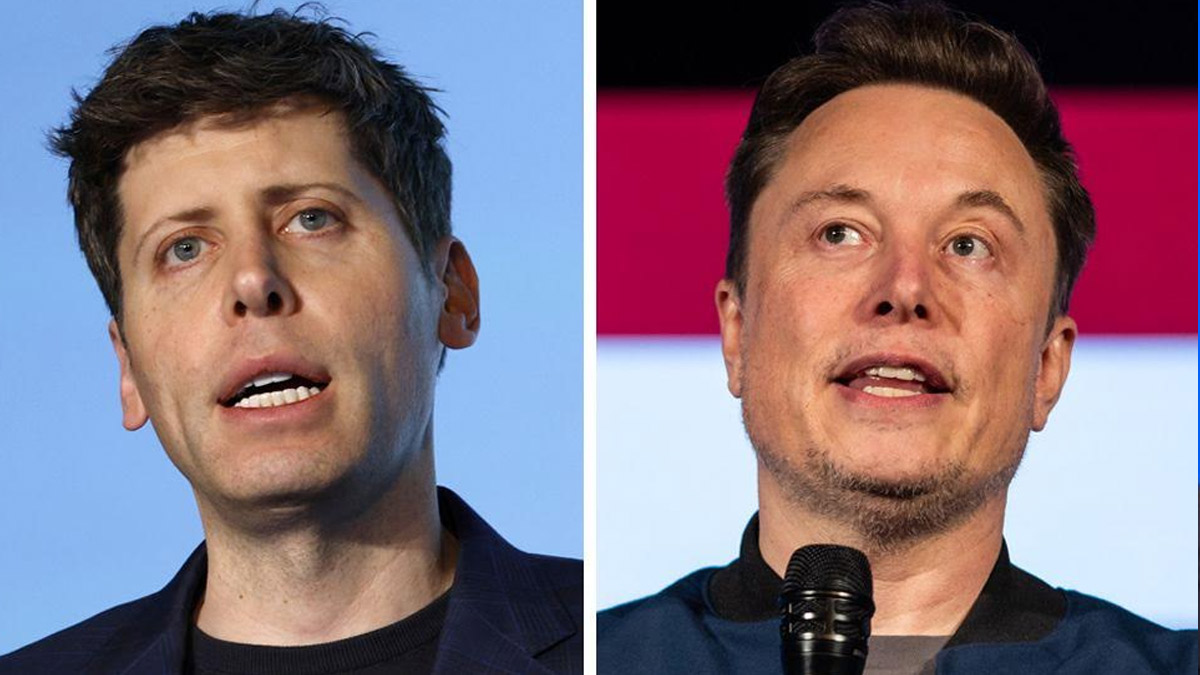
MUMBAI: When the stakes are measured in billions and egos are involved, even Silicon Valley titans can turn a courtroom into a battlefield. OpenAI has issued a sharp public response to Elon Musk’s ongoing lawsuit, accusing the billionaire of filing the case to harass a competitor rather than address genuine concerns. In a strongly worded statement shared on its official X account, OpenAI described Musk’s allegations as “baseless” and suggested the lawsuit is an attempt to disrupt the company as the case heads toward trial later this month in Oakland, California.
The response comes after Musk’s legal team recently amended the complaint, proposing that any damages potentially exceeding $150 billion should go to OpenAI’s nonprofit entity rather than to Musk personally. OpenAI questioned the timing and motive behind this change, calling it a late-stage attempt to “pretend to change his tune” on the nonprofit structure.
The company further labelled the lawsuit a “harassment campaign”, arguing that Musk’s actions are driven by personal rivalry, ego, and a desire for greater control and financial upside.
At the heart of the dispute is Musk’s claim that OpenAI has abandoned its original nonprofit mission of developing artificial intelligence for the benefit of humanity. A co-founder who left in 2018, Musk is seeking governance changes, including the removal of CEO Sam Altman from the nonprofit board, and the return of certain financial gains linked to Altman and President Greg Brockman.
OpenAI has firmly rejected these allegations, maintaining that its current hybrid structure, a public-benefit corporation overseen by a nonprofit parent remains true to its long-term goals. The company has also previously accused Musk of anti-competitive behaviour aimed at weakening its leadership.
As the case prepares for a jury trial, this public exchange highlights the deepening rift between two of the most influential figures in the AI revolution and raises broader questions about governance, mission, and power in the fast-moving world of artificial intelligence.
In the high-stakes game of AI, it seems the real drama isn’t just inside the models, it’s playing out in courtrooms too.






