iWorld
Only 3% of Indian households paid subs of SVoD services: Global study

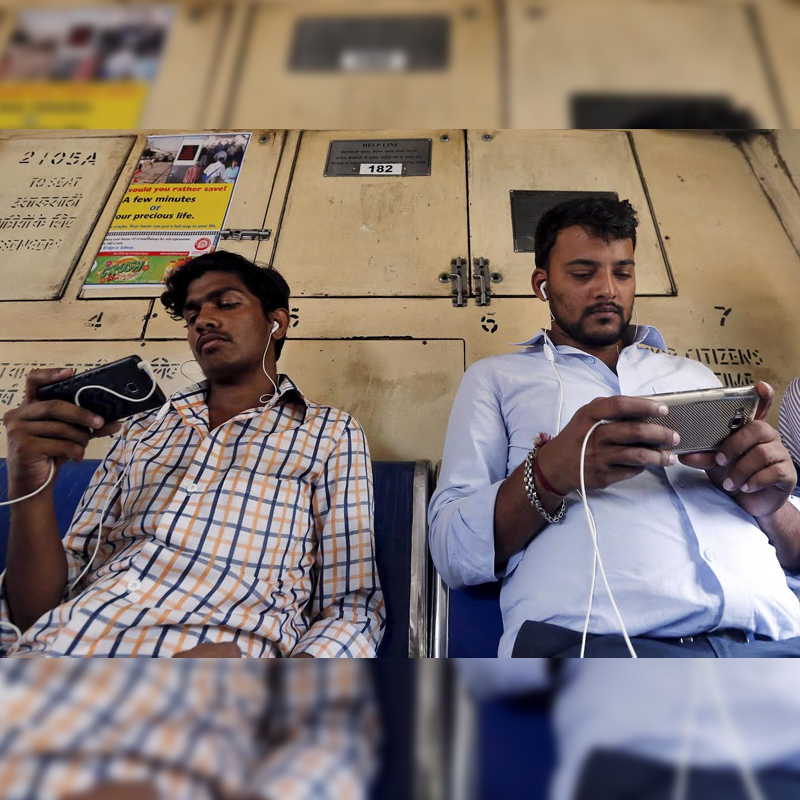
NEW DELHI: Ground data doesn’t match the hype around streaming video services in India. Only three per cent of Indian households are paid subscribers of such services, while the corresponding figure for the US is 59 per cent, according to a new global market study released recently that was done over 2017.
The number of households worldwide, which pay for various streaming video services such as Netflix and Amazon, has now breached the 250 million mark, research from Boston-based Strategy Analytics’ TV and Media Strategies service indicates.
The report, Home Video and OTT Video Forecast – Global, predicts that the number of homes paying for subscriptions to streaming video services will reach nearly 300 million by the end of 2018 and more than 450 million by 2022.
Interestingly, in China the percentage of paying households of video streaming services is not very high if the population and size of the market are taken into account. The Chinese figure is 12 per cent, while Japan (29 per cent) is the only Asian country to find a mention in the top-10 list. Smaller countries such as Norway (46 per cent) and Sweden (45 per cent) have a higher percentage of paying households.
Some of the other key findings from the research include the following:
∙ Average monthly household spending on streaming video services increased by 5 per cent in 2017 to $9.46.
∙ The total number of streaming video subscriptions reached 345 million by the end of 2017.
∙ Households paying for streaming video services used on average 1.39 services.
∙ The US has the highest penetration of streaming video services, with 59 per cent of households using at least one service at the end of 2017.
Percentage of Households Paying for Streaming Video Services, Dec 2017

Source: Strategy Analytics’ Media Strategies Group, Feb 2018
“Streaming video is rapidly becoming a normal part of people’s entertainment options,” TV & Media Strategies director Michael Goodman said in a statement put out on 28 February 2018.
According to him, “Usage is already at around half of households in the most mature markets and is likely to reach those levels in many other countries in the near future. Clearly, market leaders like Netflix and Amazon will benefit from this trend, but there are also major opportunities for media companies, which currently focus on more traditional pay TV and content development business models.”
In this research, according to an official statement, pay-TV-like services such as NowTV and DirecTV Now were not included. Major services analysed included Netflix, Amazon Prime Video, Hotstar, IVI.ru, Hulu, Viu and iFlix.
Though the research did not specify it, but observers of Indian media and entertainment sector explained the low percentage of paid subscribers for streaming or OTT services could be because India has always been a price sensitive market for entertainment services. And, most homegrown OTT platforms’ services are only partially or not at all behind a paywall.
ALSO READ:
Indian online video to grow to US 1.6 bn at 35 percent CAGR by 2022
Indian pay-TV expanding by 10.6 pc, 77 pc to be digitised, ARPUs to rise by ’22: MPA
MPA: India & China power APAC ad rev, ads in largest medium TV still robust