iWorld
Netflix’s first domestic subscriber loss in 8 years; misses international addition estimate


MUMBAI: The streaming giant Netflix witnessed domestic subscriber loss for the first time in the last eight years since it separated its DVD mail-order system and streaming platform. In the second quarter (Q2) of 2019, Netflix also added nearly 2 million fewer international customers than expected.
In contrast to the projected 5 million addition in international subscribers, Netflix only gained 2.7 million subscribers. On the other hand, the company also lost more than 100,000 subscribers in the US. The company in its letter to shareholders said that Q2’s content slate drove less growth in paid net adds than it anticipated. Netflix added that the missed forecast was more noticed in the regions where prices were hiked. However, the company also denied any impact of the increased competition on the Q2 results.
“Additionally, Q1, there may have been more pull-forward effect than we realised. In prior quarters with over-forecasts, we’ve found that the underlying long-term growth was not affected and staying focused on the fundamentals of our business served us well,” the company said in a letter to its shareholders.

The streaming platform has started the third quarter with a returning season of its hit show Stranger Things while the final season of another iconic show Orange is the New Black will be released in the quarter. The company expects the subscriber growth to return to more typical growth in Q3, and said it is seeing that in these early weeks of Q3. It also forecast Q3 global paid net adds of 7 million with 0.8 million in the US and 6.2 million internationally.
However, Netflix posted revenue of $4.92 billion, in-line with Wall Street’s $4.93 billion estimate, and earnings of 60 cents per share beating analyst consensus estimates of EPS 56 cents. “Much of our domestic, and eventually global, Disney catalog, as well as Friends, The Office, and some other licensed content will wind down over the coming years, freeing up budget for more original content,” the company added.
The company also highlighted building out its licensing and brand partnerships effort, which is optimising for fan and viewer engagement over revenue maximisation. It also noted during the launch of Stranger Things season 3, the platform partnered with best-in-class brands like Coke, Nike, Burger King, and Baskin Robbins to build deep connections with the fans.
More importantly, it announced a very important move in its important international market India in front of the product initiative. “After several months of testing, we’ve decided to roll out a lower-priced mobile-screen plan in India to complement our existing plans. We believe this plan, which will launch in Q3, will be an effective way to introduce a larger number of people in India to Netflix and to further expand our business in a market where Pay TV ARPU is low (below $5). We will continue to learn more after launch of this plan,” the company said.






iWorld
OpenAI hits back at Elon Musk’s lawsuit ahead of trial
Company calls claims “baseless” and accuses Musk of trying to disrupt a rival.
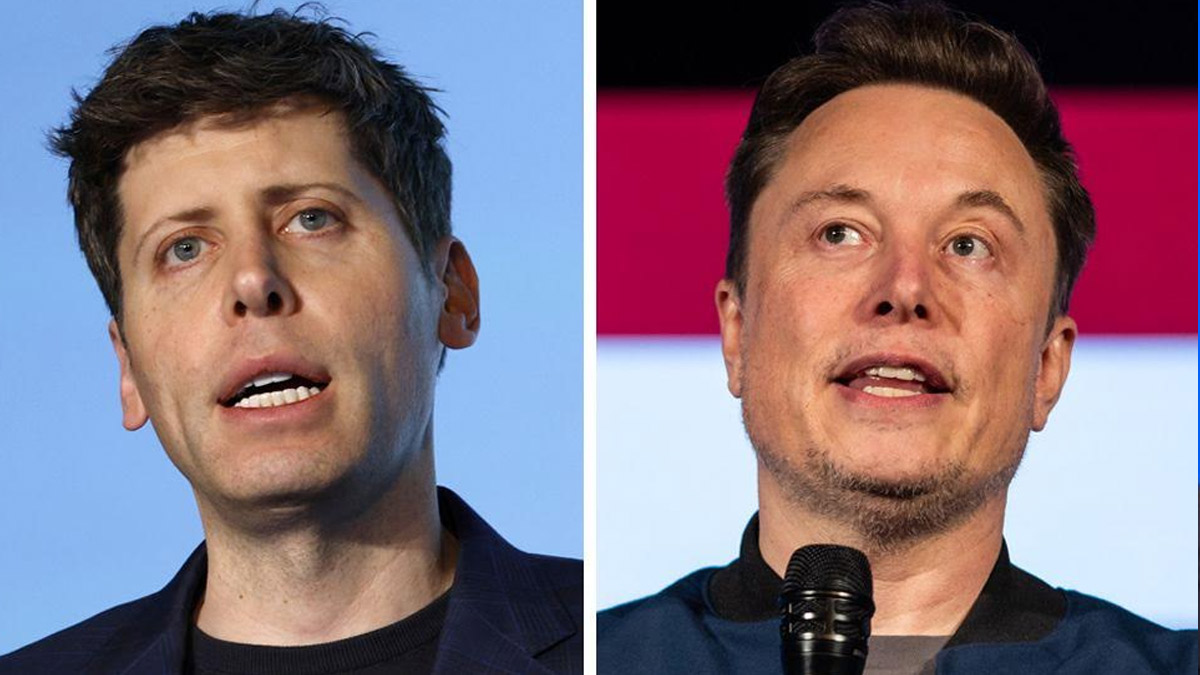
MUMBAI: When the stakes are measured in billions and egos are involved, even Silicon Valley titans can turn a courtroom into a battlefield. OpenAI has issued a sharp public response to Elon Musk’s ongoing lawsuit, accusing the billionaire of filing the case to harass a competitor rather than address genuine concerns. In a strongly worded statement shared on its official X account, OpenAI described Musk’s allegations as “baseless” and suggested the lawsuit is an attempt to disrupt the company as the case heads toward trial later this month in Oakland, California.
The response comes after Musk’s legal team recently amended the complaint, proposing that any damages potentially exceeding $150 billion should go to OpenAI’s nonprofit entity rather than to Musk personally. OpenAI questioned the timing and motive behind this change, calling it a late-stage attempt to “pretend to change his tune” on the nonprofit structure.
The company further labelled the lawsuit a “harassment campaign”, arguing that Musk’s actions are driven by personal rivalry, ego, and a desire for greater control and financial upside.
At the heart of the dispute is Musk’s claim that OpenAI has abandoned its original nonprofit mission of developing artificial intelligence for the benefit of humanity. A co-founder who left in 2018, Musk is seeking governance changes, including the removal of CEO Sam Altman from the nonprofit board, and the return of certain financial gains linked to Altman and President Greg Brockman.
OpenAI has firmly rejected these allegations, maintaining that its current hybrid structure, a public-benefit corporation overseen by a nonprofit parent remains true to its long-term goals. The company has also previously accused Musk of anti-competitive behaviour aimed at weakening its leadership.
As the case prepares for a jury trial, this public exchange highlights the deepening rift between two of the most influential figures in the AI revolution and raises broader questions about governance, mission, and power in the fast-moving world of artificial intelligence.
In the high-stakes game of AI, it seems the real drama isn’t just inside the models, it’s playing out in courtrooms too.






