iWorld
Netflix sets guardrails for AI in film and TV productions


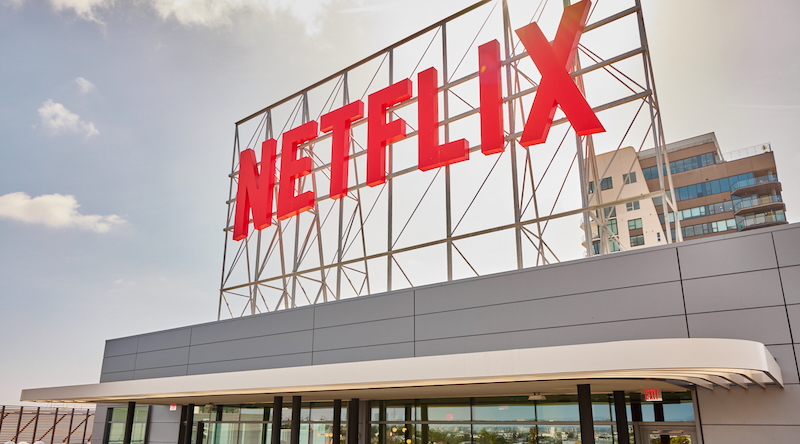
MUMBAI: Netflix has moved to head off potential controversy over the creeping use of artificial intelligence in film and television, issuing sweeping new guidance for filmmakers, vendors and production partners. The rules, circulated globally this week, make clear that while generative AI (GenAI) can be deployed as a creative aide, it must not slip quietly into final cuts without disclosure, scrutiny and, in some cases, written approval.
The streamer has stressed that AI is welcome for ideation — moodboards, concept sketches, mock posters — but warns of red lines when it comes to intellectual property, talent likeness and story-critical material. In other words, it’s one thing to ask an algorithm to imagine a dystopian cityscape for a pitch deck; quite another to use it to conjure a new character, rewrite an actor’s performance, or mimic a celebrity’s voice.
The dos and don’ts
The 20-page guidance has outlined a hierarchy of acceptable uses. Low-risk experiments that are non-final, non-identifiable and non-copyrighted can usually proceed with a simple “socialise and share” approach. But any GenAI-generated material that:
* incorporates Netflix’s proprietary assets (scripts, footage, unreleased stills),
* alters talent performances beyond cosmetic fixes,
* relies on copyrighted datasets (such as celebrity faces or artistic styles), or
* appears as final on-screen deliverables,
must be escalated to the company for legal review and explicit sign-off.
Perhaps the sharpest line the guidelines draw is around talent. Synthetic replicas of performers — whether de-aged faces, digital bodies or AI-generated voices — require documented consent, in line with union rules. Even subtle digital alterations, such as tweaking lip-sync or emotional delivery, are flagged as reputationally sensitive. Netflix says it permits the use of AI for minor industry-standard post-production tweaks (noise reduction, continuity fixes, cosmetic adjustments), but not for material changes that could distort intent or replace union-covered work.
The streamer, says it is acutely aware of the reputational stakes. It warns against AI-generated content that could mislead viewers into believing fabricated events are real — such as fake news clips or invented statements attributed to journalists. It has also cautioned against undermining union jobs, an especially hot-button issue after last year’s strikes in Hollywood over the threat posed by AI.
Vendors and AI studios delivering to Netflix are being told to adhere to the same standards, even if they build custom workflows by stitching multiple tools together. Confidentiality remains non-negotiable: all inputs — from scripts to actor headshots — must be protected inside secure, enterprise-level tools that prevent reuse or resale of data. Production partners have been reminded that they are personally responsible for checking licences, terms and conditions of any third-party AI software.
The guidance draws a hard distinction between temporary AI-assisted mock-ups and content that makes it into the final cut. A background prop generated by AI may appear harmless, but if a character reads it aloud, it becomes story-relevant and must undergo rights clearance. Netflix insists partners flag such cases early to avoid last-minute legal headaches.
Why now?
The move reflects the industry’s jittery embrace of GenAI. While many creatives are already experimenting with it in design, concept art and even scriptwriting, studios are scrambling to balance innovation with ethics, copyright law and union agreements. Netflix is positioning itself as neither a Luddite nor a cheerleader — encouraging experimentation, but within guardrails designed to protect talent, data and audience trust.
The message from Los Gatos is blunt: AI may be the new toy in the toolbox, but when it comes to finished stories and performers’ rights, the humans are still in charge.