
iWorld
Netflix faces DOJ scrutiny over $82.7bn Warner Bros acquisition


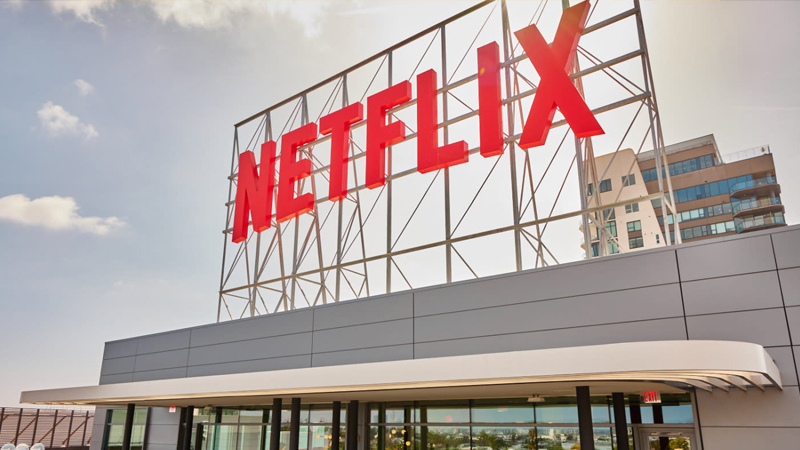
WASHINGTON/NEW YORK: The US Department of Justice is probing whether Netflix deployed anti-competitive tactics around its proposed $82.7bn acquisition of Warner Bros Discovery’s studios and streaming business, the Wall Street Journal reported, signalling early antitrust unease over a deal that could redraw Hollywood’s power map.
In a civil subpoena reviewed by the paper, the department asked another entertainment company to detail “any other exclusionary conduct” by Netflix that could plausibly entrench market or monopoly power. Regulators also sought views on whether rival bids, most notably from Paramount Skydance, could harm competition, and how past studio or distributor mergers have affected bargaining power for creative talent, including variations in talent contracts across studios.
Warner Bros’ appeal is obvious: marquee film and television studios, a deep content vault, and franchises spanning Game of Thrones, Harry Potter and DC Comics’ Batman and Superman. But the scale is precisely what has caught regulators’ attention. The DOJ’s review, the WSJ said, is at an early stage.
The spotlight is not limited to Netflix. The DOJ is also reviewing Paramount’s proposed bid, which Warner Bros’ board has unanimously rejected as “inadequate” and “not in the best interests” of shareholders. Paramount is pressing to wrap up the government’s review within weeks, Bloomberg News reported, citing people familiar with the matter. Once information requests are satisfied, a 10-day waiting period will begin for the DOJ to decide whether to challenge the offer on competition grounds.
Politics is adding heat. Netflix co-CEO Ted Sarandos faced sharp questioning from US senators this week over how the deal might affect competition across entertainment. Overseas, scrutiny is building too: British politicians and former policymakers have urged the UK’s competition watchdog to open a full review, while EU antitrust regulators are expected to examine rival bids by Netflix and Paramount Skydance in parallel.
Markets, for now, shrugged. The S&P 500 rose about 2 per cent and the Nasdaq gained more than 2 per cent.






