iWorld
Netflix confirms Q3 roll-out of lower-priced mobile-screen plan for India

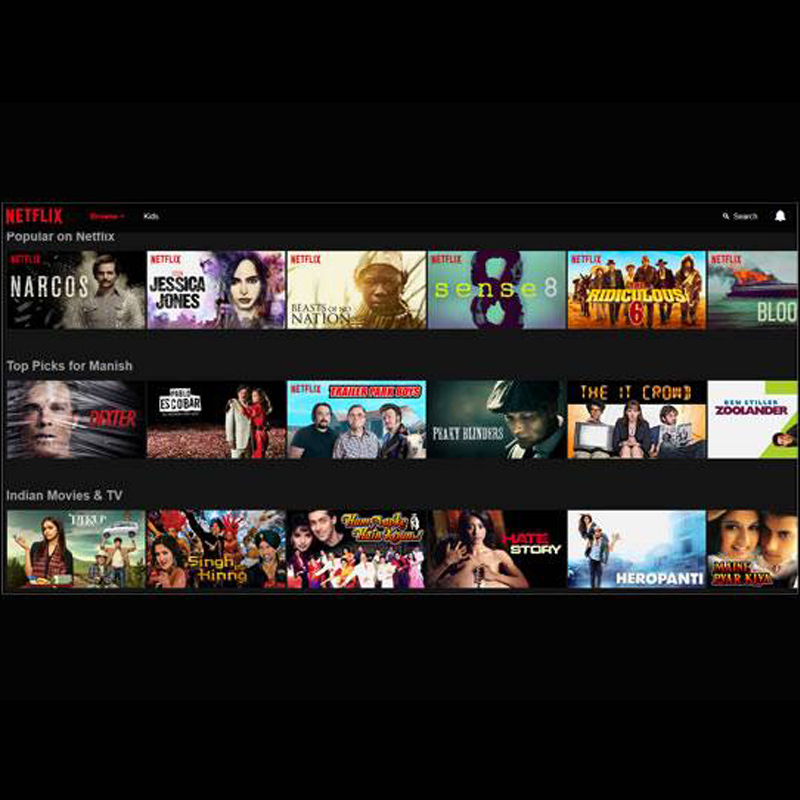
MUMBAI: Finally taking note of the price-sensitive Indian market, streaming giant Netflix has decided to roll out a lower-priced mobile screen plan in India. The streaming giant sees the new plan, which will launch in Q3, as an effective measure to expand its subscriber base in India. Earlier, the streamer had highlighted the need to lower prices for greater accessibility and more subscribers after its Q1 results.
“After several months of testing, we’ve decided to roll out a lower-priced mobile-screen plan in India to complement our existing plans. We believe this plan, which will launch in Q3, will be an effective way to introduce a larger number of people in India to Netflix and to further expand our business in a market where Pay TV ARPU is low (below $5). We will continue to learn more after launch of this plan,” the company said in its letter to shareholders.
It was reported a few months ago that the streaming giant was experimenting with a mobile only monthly plan priced at Rs 250 and weekly plan priced at Rs 65. It was reported that the mobile-only plans would allow users to access the platform on mobile phone and tablet but only on one screen at a time. However, the company has not revealed any price point yet.
The move comes at a time when the Indian over-the-top (OTT) scene is witnessing a fierce battle among both international and home grown players to gain a stronger foothold in the market. All the OTT platforms are taking several steps including special subscription packages, telco bundling and sachets to attract more subscribers. Despite significant investment in high-quality content like Scared Games, Netflix has not yet been able to be break into the top-three OTT platforms list in India.
While Hotstar is still leading the race, international rival Amazon Prime Video is also way ahead of Netflix. Moreover, Indian consumers are heavily inclined to consume content on small screens given the affordability of smart phones and cheaper mobile broadband data.
“We're quite certain that we should do something to find a price tier that's lower than the existing lowest price tier to broaden that accessibility. We think that they'll be important to adding members in India. We'll see what the right mix of features is, because there is a bit of a magic to try and get the right set of features at the right price point in a way that the consumer can relate to, right, it has to be sort of natural and intuitive to the consumer that this is what they're getting. So we've got more work to go do there, but it's something we're highly focused on,” Netflix chief product officer Greg Peters said in an earnings call after the Q1 result. Peters also said mobile-only plans can be a great example to get subscriber economy right.
Explaining the relevance of the move, Peters said in an earnings call after Q2 results that there is an opportunity to broaden the access to the service, especially at a time when the company is expanding content offering. He also added that they are seeing a growth in engagement.
"So that's the primary motivator for that move, so we can broaden the audience that can love that content, enjoy that content that Ted's team is making. And that's great because like when we launched Sacred Games season 2, when you have a bigger audience for it, that means we can create more social buzz and more excitement about that show. So we're doing that. We're also working on the partnerships we have in the market because we think there are specific opportunities to improve accessibility via those partnerships as well," he added.
While the streaming giant has very recently announced five new originals for India, it is particularly excited about Baahubali. At a time when Netflix is increasing its focus on original films, this will be the first move into a really large scale Indian original film.
"It's based on a film that was hugely popularly a year ago and this is a series prequel, sequel model that way things going to be incredibly popular in India and we've been seeing steady, nice steady increases and engagement with our Indian viewers that we think we can keep billing on. Growth in that country is a marathon. So we're, in it for the long haul and we're seeing nice steady progress," Netflix chief content officer Ted Sarandos commented.