I&B Ministry
Modi 2.0: The year gone by for I&B ministry

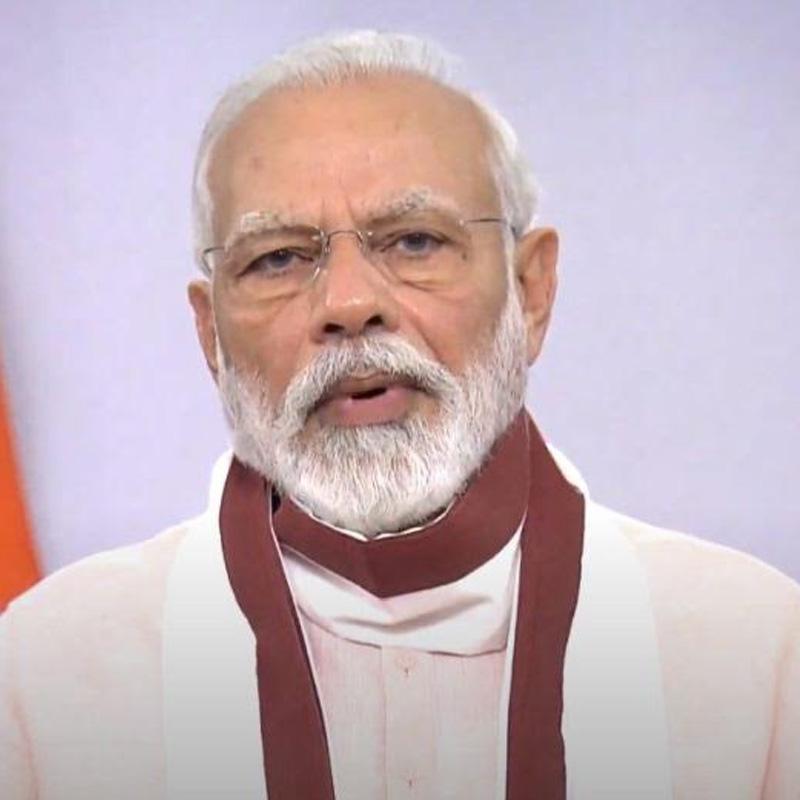
MUMBAI: The ruling Bharatiya Janta Party (BJP) recently completed one year in its second term in office at a time when the world reels under the novel SarsCoV2 crises. Through this year, the government has taken several key decisions and measures which have kept the ministry of information and broadcasting (MIB) busy.
Under the leadership of Prakash Javadekar, MIB doled out various significant measures and guidelines that will have a lasting impact on the media and entertainment industry. Here are some key announcements and proposals by the MIB in the past year.
OTT industry in self-regulatory mode
Javadekar stressed on the importance of self-regulation rather than setting up a statutory body for the OTT industry and also assured stakeholders such as Netflix, Amazon Prime, Zee5, MX Player, ALTBalaji, Hotstar, Voot and Jio regarding the same. MIB had asked OTT content players in March this year to set up an adjudicatory body and decide on a code of conduct within 100 days. Most OTT players are in favour of mutually agreeable terms and not an imposing statutory body.
Fake or fact?
In 2019, the Press Information Bureau (PIB) decided to fight fake news by setting up a fact-checking unit. Aiming for better communication around the pandemic between citizens and the government, PIB also launched a Covid2019 fact check unit. In addition to that, it launched a Twitter handle, @CovidnewsbyMIB, and started #IndiaFightsCorona to share all pandemic-related updates.
A year of guidelines, advisories and new policies
From issuing several guidelines and regulations to implementations of advisories and policies, MIB under Javadekar, had a lot to offer in the past year.
In June 2019, the ministry issued an advisory to all private television channels to carry end credits of the programmes in the language that they are being telecasted in. The step was an initiative towards promoting Indian languages.
Following this, MIB announced the implementation of accessibility standard for TV programmes for those with hearing disability. It became mandatory for all news channels to carry at least one programme a day with sign language broadcast and subtitles, while other channels were asked to have at least one show a week with similar features.
MIB also recently issued draft policy guidelines stipulating that social media platforms with 25 million monthly unique users will be eligible for government ads. Under the new policy, the bureau of outreach will also partake in the bidding process, including buying inventory or space for government messaging. To bring community radios at par with TV channels, Javadekar proposed to raise advertisement air time to 12 minutes from seven minutes.
The ministry has also been issuing advisories to private satellite TV channels to adhere to the Programme and Advertising Codes as prescribed in the Cable Television Networks (Regulation) Act 1995.
Staying informed
In an effort to keep spirits uplifted during the pandemic, the MIB directed broadcasters and distribution platform operators (DPOs) to ensure uninterrupted supply of services to subscribers and to cooperate with other players. It also requested all states and union territories to provide a constant flow of authentic information for the public by ensuring operational continuity of the print and electronic media.