iWorld
Korea’s VoD market tops $1.1 bn as Netflix stays ahead, TVING–Wavve plot fightback


SEOUL: South Korea’s premium video-on-demand market hit $1.1 billion (€0.94 billion) in the first half of 2025, with paid SVoD subscriptions climbing to 24.5 million after 1.5 million net additions, according to data from ampd, the measurement arm of Media Partners Asia (MPA).
Growth was led by scale players and turbocharged by connected TV measurement, introduced in the second quarter. This added roughly 35 per cent more monthly active users per platform and nearly doubled measured viewing hours to 1.2 billion.
Netflix retained the crown with 8.2 million subscribers and 47 per cent of premium VoD viewership, fuelled by Squid Game season three, a steady pipeline of licensed films, and its Naver Plus tie-up offering the ad-supported standard plan free to members. TVing posted the biggest net gains thanks to a low-priced ad tier, drama and variety hits, and live sport. Coupang Play grew with a free ad-supported tier and its Sports Pass, while June’s TVING–Wavve merger sets up a 9.2 million-subscriber challenger to Netflix by year-end.

 “Korea’s premium VoD sector is consolidating around a handful of scaled leaders,” said MPA executive director Vivek Couto. “Local storytelling remains the foundation of engagement and monetisation, while CTV is unlocking new audiences and advertising opportunities.”
Local content dominated, accounting for 86 per cent of all viewing hours in Q2, led by dramas (48 per cent) and variety/reality shows (27 per cent). US films were the largest foreign category at just six per cent.
“K-dramas, comedy and variety shows drive cross-platform reach,” said MPA and ampd lead analyst Dhivya T. “Ad tiers are now central to subscriber growth, especially in urban and price-sensitive segments.”







iWorld
OpenAI hits back at Elon Musk’s lawsuit ahead of trial
Company calls claims “baseless” and accuses Musk of trying to disrupt a rival.
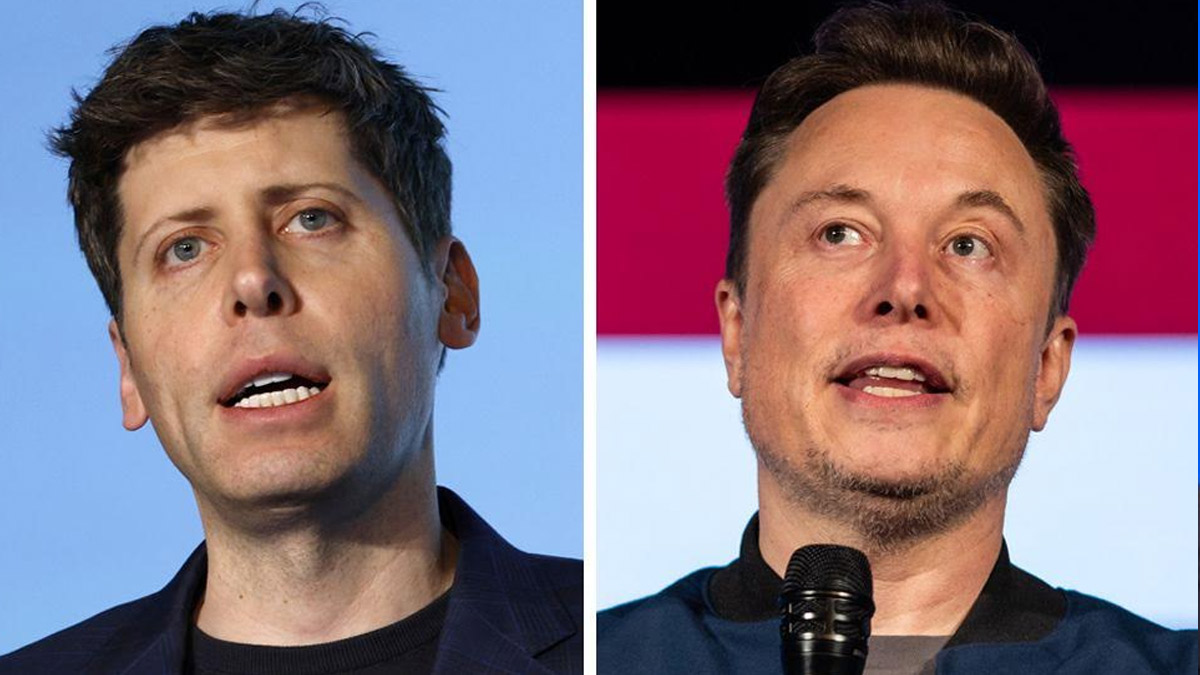
MUMBAI: When the stakes are measured in billions and egos are involved, even Silicon Valley titans can turn a courtroom into a battlefield. OpenAI has issued a sharp public response to Elon Musk’s ongoing lawsuit, accusing the billionaire of filing the case to harass a competitor rather than address genuine concerns. In a strongly worded statement shared on its official X account, OpenAI described Musk’s allegations as “baseless” and suggested the lawsuit is an attempt to disrupt the company as the case heads toward trial later this month in Oakland, California.
The response comes after Musk’s legal team recently amended the complaint, proposing that any damages potentially exceeding $150 billion should go to OpenAI’s nonprofit entity rather than to Musk personally. OpenAI questioned the timing and motive behind this change, calling it a late-stage attempt to “pretend to change his tune” on the nonprofit structure.
The company further labelled the lawsuit a “harassment campaign”, arguing that Musk’s actions are driven by personal rivalry, ego, and a desire for greater control and financial upside.
At the heart of the dispute is Musk’s claim that OpenAI has abandoned its original nonprofit mission of developing artificial intelligence for the benefit of humanity. A co-founder who left in 2018, Musk is seeking governance changes, including the removal of CEO Sam Altman from the nonprofit board, and the return of certain financial gains linked to Altman and President Greg Brockman.
OpenAI has firmly rejected these allegations, maintaining that its current hybrid structure, a public-benefit corporation overseen by a nonprofit parent remains true to its long-term goals. The company has also previously accused Musk of anti-competitive behaviour aimed at weakening its leadership.
As the case prepares for a jury trial, this public exchange highlights the deepening rift between two of the most influential figures in the AI revolution and raises broader questions about governance, mission, and power in the fast-moving world of artificial intelligence.
In the high-stakes game of AI, it seems the real drama isn’t just inside the models, it’s playing out in courtrooms too.






