Hollywood
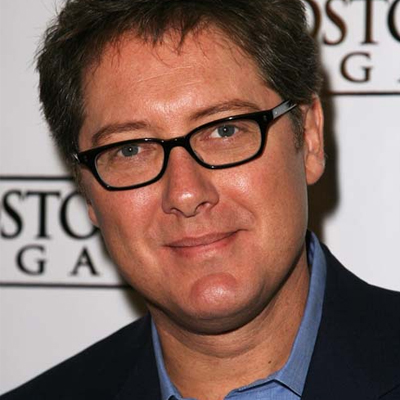
James Spader joins Marvels Avengers sequel as Ultron
MUMBAI: The Avengers sequel has its villain. James Spader will play Ultron in The Avengers: Age Of Ultron, Marvel announced online.
A fixture of the Marvel universe for decades, the evil robotic Ultron has repeatedly fought the Avengers collectively and individually in attempts to take over the world. At Comic-Con this year, Marvel Studios boss Kevin Feige announced the title of the upcoming Avengers tentpole and who the villain would be.
Disney will release the Joss Whedon-directed sequel on 1 May 2015. Last seen on the big screen in Lincoln, Spader returns to the small screen 23 September as the star of NBC’s new drama The Blacklist. Spader is repped by ICM Partners and attorney Melanie Cook at Ziffren Brittenham.

Hollywood
Disney to cut 1,000 jobs in major restructuring drive
Layoffs span ESPN, studios and tech as company pivots to growth
MUMBAI: The magic isn’t disappearing but it is being reorganised. The Walt Disney Company has announced plans to cut around 1,000 jobs as part of a sweeping restructuring effort aimed at sharpening its edge in an increasingly unpredictable entertainment landscape. The move, led by CEO Josh D’Amaro, reflects a broader internal reset as the company rethinks how it operates, allocates resources and competes in a fast-evolving industry. In a memo to employees, D’Amaro acknowledged the difficulty of the decision but framed it as a necessary step to ensure Disney remains “efficient, innovative, and responsive” to rapid shifts in consumer behaviour and technology.
The layoffs will span multiple divisions, including marketing, film and television studios, ESPN, technology teams and corporate functions. Notifications have already begun, signalling that the restructuring is not a distant plan but an active transition underway.
Importantly, the company has clarified that the cuts are not performance-driven. Instead, they form part of a wider transformation strategy aimed at building a leaner, more agile organisation, one better equipped to respond to streaming dynamics, digital disruption and evolving audience expectations.
The timing is telling. The global entertainment industry is in the middle of a structural shift, with traditional television revenues under pressure and box office returns becoming increasingly volatile. Meanwhile, streaming platforms and digital-first competitors continue to redraw the rules of engagement, forcing legacy players to rethink scale, speed and storytelling formats.
For Disney, long synonymous with blockbuster franchises and timeless storytelling, the pivot is both strategic and symbolic. The company is doubling down on technology, direct-to-consumer services and content ecosystems that align with modern viewing habits, where audiences expect immediacy, personalisation and cross-platform experiences.
Even as the restructuring unfolds, D’Amaro struck a note of optimism, reiterating Disney’s commitment to creativity and long-term growth. Support measures for affected employees are expected as part of the transition, though details remain limited.
In essence, this is less about cutting back and more about reshaping forward. As Disney redraws its organisational map, the message is clear, in today’s entertainment world, even the most magical kingdoms must evolve or risk being left behind.