iWorld
Hotstar becomes first ‘Made in India’ platform to reach 100-m downloads in two yrs

MUMBAI: Hotstar is the first ‘Made in India platform’ to cross 100 million downloads on Google Play Store, and it has raced to this milestone in two years.
Over the last two years, Hotstar has been consistently blazing the trail on setting new benchmarks for a consumer Internet company. From being the fastest growing platform in the world to introducing technological innovations in streaming, Hotstar has been the pioneer in opening up the premium video category in India.
This week, Hotstar shattered yet another ceiling. It became the first local service to cross 100 million downloads on the Google Play Store. On the Play Store downloads chart, the online video platform has raced far ahead of many other consumer Internet companies in India, including e-commerce services like Amazon India and Flipkart, taxi ride services like Ola, payment apps like Paytm, and even news services like Times of India, NDTV and Dailyhunt. Almost all of Hotstar’s downloads have come from India. The service reached this milestone within just 2 years of its launch in 2015.

Across the Play Store, App Store and other Android app stores cumulatively, Hotstar has crossed more than 200 million downloads since launch.
The service also announced recently that it has emerged as the primary screen for VIVO IPL 2017 in India’s top cities, those with more than a million in population. In a newspaper announcement last week, Hotstar revealed massive growth in viewership over the previous year, including a five times increase in watch time and a 12 times increase in concurrent viewership on the platform.






iWorld
OpenAI hits back at Elon Musk’s lawsuit ahead of trial
Company calls claims “baseless” and accuses Musk of trying to disrupt a rival.
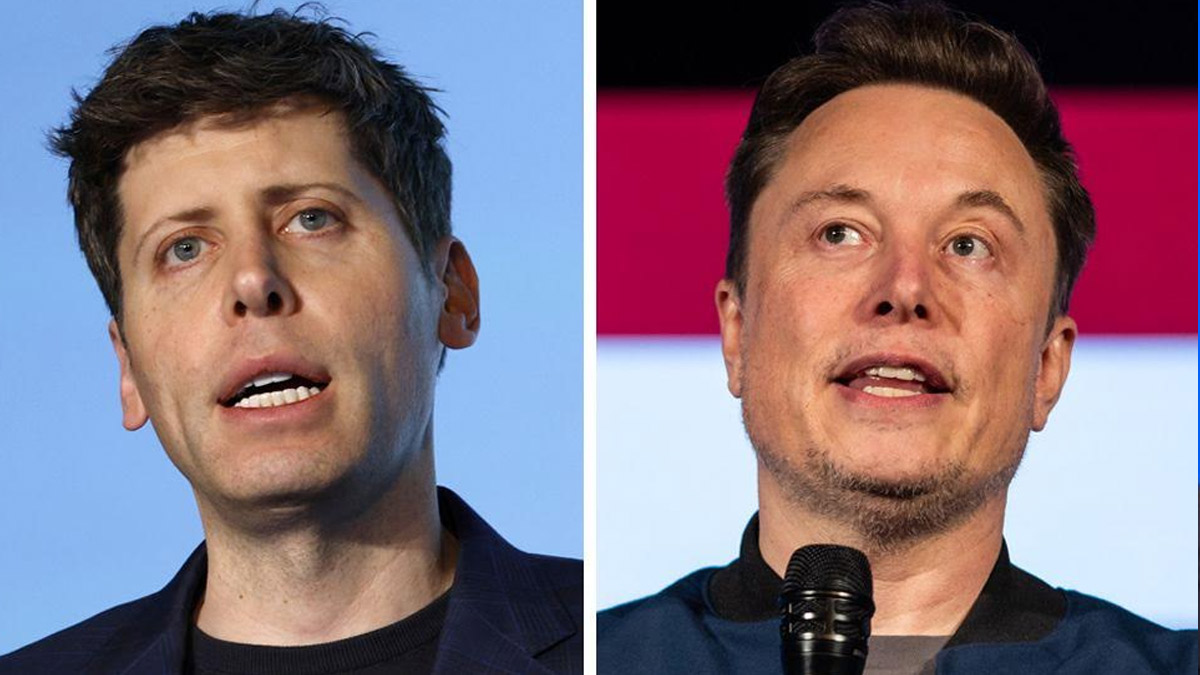
MUMBAI: When the stakes are measured in billions and egos are involved, even Silicon Valley titans can turn a courtroom into a battlefield. OpenAI has issued a sharp public response to Elon Musk’s ongoing lawsuit, accusing the billionaire of filing the case to harass a competitor rather than address genuine concerns. In a strongly worded statement shared on its official X account, OpenAI described Musk’s allegations as “baseless” and suggested the lawsuit is an attempt to disrupt the company as the case heads toward trial later this month in Oakland, California.
The response comes after Musk’s legal team recently amended the complaint, proposing that any damages potentially exceeding $150 billion should go to OpenAI’s nonprofit entity rather than to Musk personally. OpenAI questioned the timing and motive behind this change, calling it a late-stage attempt to “pretend to change his tune” on the nonprofit structure.
The company further labelled the lawsuit a “harassment campaign”, arguing that Musk’s actions are driven by personal rivalry, ego, and a desire for greater control and financial upside.
At the heart of the dispute is Musk’s claim that OpenAI has abandoned its original nonprofit mission of developing artificial intelligence for the benefit of humanity. A co-founder who left in 2018, Musk is seeking governance changes, including the removal of CEO Sam Altman from the nonprofit board, and the return of certain financial gains linked to Altman and President Greg Brockman.
OpenAI has firmly rejected these allegations, maintaining that its current hybrid structure, a public-benefit corporation overseen by a nonprofit parent remains true to its long-term goals. The company has also previously accused Musk of anti-competitive behaviour aimed at weakening its leadership.
As the case prepares for a jury trial, this public exchange highlights the deepening rift between two of the most influential figures in the AI revolution and raises broader questions about governance, mission, and power in the fast-moving world of artificial intelligence.
In the high-stakes game of AI, it seems the real drama isn’t just inside the models, it’s playing out in courtrooms too.






