eNews
Gracenote says advertisers are botching connected TV with wrong targeting tactics


NEW YORK: Connected television was supposed to be the performance marketer’s dream: precision targeting on the biggest screen in the house. A decade in, it’s not delivering. American advertisers will spend $26.6 billion on CTV this year, up 12 per cent from 2024, according to the IAB. Yet 27 per cent cite lack of insight into whether ads reach their intended audience as their top challenge. Nearly a third rate CTV only “moderately effective” despite pouring money in.
The problem is a mismatch between strategy and medium. Marketers are treating CTV like social media—chasing users with demographic and behavioural targeting—when they should be focusing on what people watch, not just who’s watching. A Gracenote survey of 600 American brand and agency executives found 30 per cent rank brand awareness as their top CTV objective, with customer retention a distant fourth. Yet 80 per cent still prioritise audience-based targeting over contextual approaches.
“CTV has not delivered the scale and premium reach that marketers expect of the largest screen in the house largely based on the use of narrow targeting tactics,” said Gracenote VP of partnerships Jake Richardson. “By taking better advantage of contextual targeting capabilities with their CTV campaigns, they have new opportunities to drive both return on ads spend and the scale they’ve been looking for.”

The irony is sharp. CTV now accounts for 48 per cent of American viewing time, overtaking live television’s 46 per cent in the first quarter of 2025. Ad-supported content makes up 45 per cent of streaming viewership. The audience is there, engaged and watching ads. But marketers haven’t adapted their playbook.
Nearly 46 per cent of survey respondents have shifted at least 26 per cent of their budgets to CTV over the past three years. Among financial services, retail, technology and healthcare brands, that figure rises to 52 per cent. A quarter now allocate 40 per cent or more of total budgets to CTV. Yet confidence remains shaky. Only 28 per cent consider their CTV spending “extremely effective.”
The culprit, according to Gracenote, is fragmentation and missing metadata. With 85 per cent of CTV buys purchased programmatically, incomplete or inconsistent content data leaves platforms blind. Nearly 70 per cent of respondents say lack of standardisation is at least a modest challenge when developing campaigns.
Free ad-supported television (Fast) channels illustrate the problem. Gracenote tracked nearly 1,850 active Fast channels distributing more than 182,000 programmes as of July 2025. Pluto TV, Tubi and The Roku Channel accounted for 5.7 per cent of total American television usage in May 2025, up 36 per cent year-on-year. Yet the metadata is patchy. Before enrichment, 55 per cent of sports programmes on Fast channels lacked original air date information. A sample of 28 sports programmes shared by Rain the Growth Agency found only eight included proper content titles—three simply said “tv.”
This matters because knowing whether a sports event is live, which teams are playing, or whether it’s a playoff game is crucial for advertisers. TV listing data can distinguish an MLB game between the Los Angeles Dodgers and San Francisco Giants from a Liga MX match between Santos Laguna and Pumas UNAM—both aired live on Fast channels on 12 July 2025.
When asked if standardised content metadata would boost confidence in CTV planning, 62 per cent of respondents said yes. More than half said it would justify higher spending. When asked about TV schedule information, 72 per cent said it would help with planning and investing—rising to 78 per cent among financial services, retail, technology and healthcare advertisers.
The solution, Gracenote argues, is contextual targeting at programme level. Only nine per cent of respondents currently prioritise this approach, compared with 29 per cent for demographic targeting. Yet contextual signals—knowing a programme has a TV-MA rating, includes adult language, has a gritty mood, or involves arms trafficking—provide the brand suitability insight that audience targeting can’t.
The pitfalls of over-focusing on existing customers are well documented. Nike’s 2020 direct-to-consumer pivot, which neglected broader brand building, became a cautionary tale last year. Despite CTV’s addressable nature, excluding anyone outside the funnel inhibits future growth. Marketers want CTV for brand building, but to capitalise they’ll need to embrace a simple truth: what people watch matters as much as who’s watching.
The survey was conducted online between 10 and 20 July 2025, polling brand and agency associates with director-level titles or above across media, entertainment, telecommunications, retail, financial services, automotive, consumer goods and healthcare.







eNews
Paisabazaar launches Credit Premier League 2.0
Nationwide campaign rewards highest credit scores with Rs 1 lakh top prize.
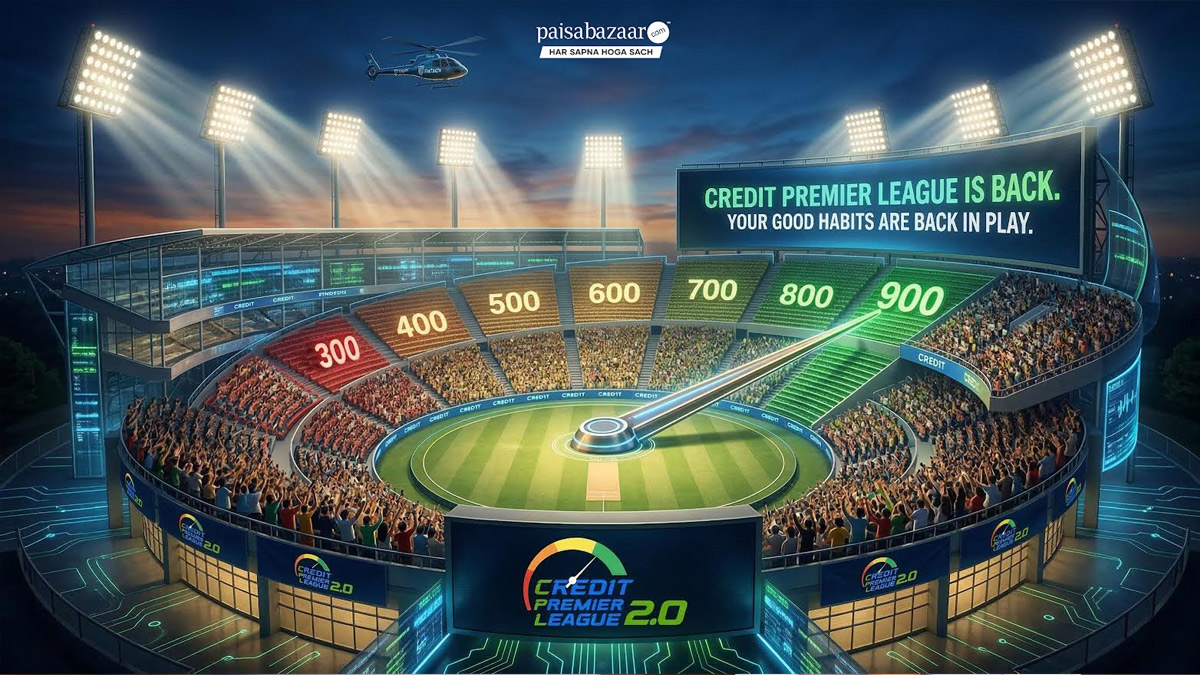
MUMBAI: When credit scores become a national league, even your CIBIL report starts feeling like it’s playing in the IPL and Paisabazaar has just kicked off the second season. Paisabazaar, India’s leading marketplace for financial products and the country’s largest free credit score platform, has announced the return of the Credit Premier League (CPL) 2.0, a fun, nationwide initiative to recognise and reward individuals with the highest credit scores.
Building on the success of the first edition, CPL 2.0 introduces higher rewards and broader participation. The individual(s) with the highest credit score in the country will win Rs 1 lakh, while state champions will each receive Rs 10,000. Additionally, all participants from the winning state, the one with the highest average credit score will also be rewarded.
All winnings will be credited directly to winners’ PB Wallet, allowing them to pay credit card bills, recharge mobiles, or settle utility bills seamlessly on the Paisabazaar platform.
Paisabazaar CEO Santosh Agarwal said the campaign aims to make credit awareness more engaging and mainstream. “With CPL, we are bringing together engagement, gamification and rewards to make conversations around credit scores more mainstream,” he noted. “Our focus remains on building a financially aware and credit-healthy Bharat.”
The first edition of CPL saw over 5.5 million participants, with the highest individual score touching 861. Delhi recorded the highest average credit score of 746.
Consumers can participate simply by checking their free credit score on the Paisabazaar platform or app. The CPL leaderboard and rankings will be available exclusively on the Paisabazaar App.
In a country where financial dreams are serious business, Paisabazaar has found a smart way to turn credit scores into an exciting game – because when your financial health gets rewarded, everyone wants to play.






