iWorld
Dushyant Sapre moves on from Twitter-owned MoPub
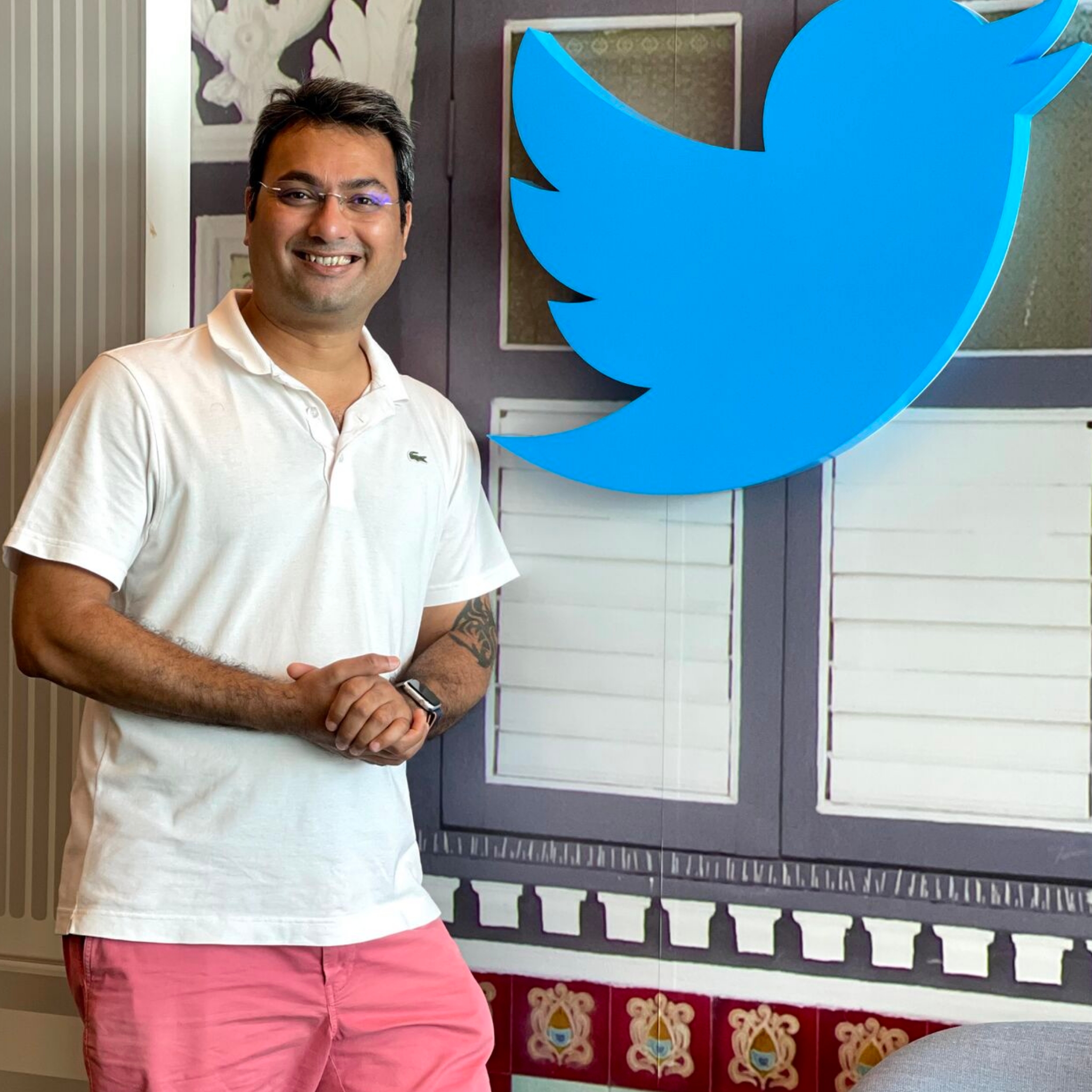
Mumbai: Dushyant Sapre, the MD for Japan and Asia Pacific of MoPub has quit the Twitter-owned company after a two-year stint. He was based in Twitter’s Asia Pacific headquarters in Singapore.
MoPub provides monetisation solutions for mobile app publishers and developers around the globe. Sapre, who joined the platform in September 2019, was responsible for running the Japan, Asia Pacific organisation with a strong focus on the mobile gaming vertical in China, Japan, and Korea.
Sapre, in a LinkedIn post, said: “A month ago, I made the difficult decision to leave Twitter and MoPub, with today being my last day. It’s been an amazing 2-year journey, with an incredible group of #Tweeps. A couple of quarters into the job, the pandemic inflicted uncertainty wreaked havoc on our lives. I felt extremely fortunate to have been at Twitter: the sense of empowerment and support I got to lead my family, team, and self through the tough times was simply unparalleled and is something I will share with everyone and carry within for life. Thank you, Twitter!”
Sapre gave an inkling of joining a new venture, without divulging details. “Starting next week, I am embarking on a new challenge: building a new business ground-up from 0 to 1, uprooting and moving to new geography in a few months, unlearning, learning, and proving myself all over again,” he wrote.
Sapre was previously the managing director for APAC supply and global app partnerships at Criteo, and was a founding leader of the Criteo Singapore office since 2013. Over the past decade, he has advised app developers and digital publishers on maximising monetisation and online retailers on user acquisition and retention.

iWorld
WhatsApp may soon let users to pick who sees their status updates
The messaging giant is borrowing a page from Instagram’s playbook as it pushes to give users finer control over their social circles.
CALIFORNIA: WhatsApp is quietly working on a feature that could make its Status function considerably smarter and considerably more private.
According to reports from beta tracking platforms, the app is testing a tool called Status lists, which would allow users to create named groups such as close friends, family and colleagues, and control precisely which group sees each update. It is a meaningful step up from the platform’s current blunt instruments, which offer only three options: share with all contacts, exclude specific people, or manually select individuals each time.
The new feature draws an obvious comparison with Instagram’s Close Friends function, and the resemblance is unlikely to be accidental. Both platforms sit within Meta’s family, and the company has been nudging them toward a common logic of audience segmentation for some time.
The move also fits neatly into WhatsApp’s broader privacy push. The platform has been rolling out enhanced chat protections and is exploring the introduction of usernames, which would allow users to connect without exchanging phone numbers. Status lists extend that philosophy from messaging into broadcasting.
Meanwhile, Status itself has been evolving well beyond its origins as a simple photo-and-text slideshow. The feature now supports music stickers, collages, longer videos and interactive elements, pushing it closer to the social-media-style story format pioneered by Snapchat and refined by Instagram. In that context, finer audience controls are not merely a privacy feature. They are a precondition for people sharing more.
The feature remains in development and has not been confirmed for release. WhatsApp routinely tests tools that are later modified or quietly shelved. But the direction of travel is clear: the app wants Status to be a destination, not an afterthought. Letting users decide exactly who is in the audience is how it gets there.