iWorld
DocuBay inks global distribution deal with US-based 1091


MUMBAI: DocuBay, the premium international documentary membership VOD service by IN10 Media Network, announced the acquisition of multiple premium documentary titles from US-based global commercial distribution platform 1091. The deal includes stories on cultural icons such as John Lennon, and controversial Hollywood producer Harvey Weinstein, both of which are included in DocuBay’s newest ‘bay’ called CrimeBay, focusing on the highly popular true crime genre. The licensed films and new CrimeBay are now available for global streaming on DocuBay in 180+ countries, with the app available on platforms such as the App Store, Google Play, Fire TV, and Apple TV, among others.
With the launch of CrimeBay, fans of the crime documentary genre will have easy access to the kind of real-life dramas they like best: from insights into the inner workings of the narcotics trade by the players themselves in Rusty Young’s Wildlands, to the transcontinental operation that led to the capture of a notorious money launderer in The Billion Dollar Bust. In addition to such titles, CrimeBay will also feature some relevant and popular titles from 1091.
Notable films acquired from 1091 include: The Harvey Weinstein Scandal – story of the legendary Hollywood heavyweight who was accused by more than a dozen actresses of sexual abuse and rape in an explosive New York Times article; The Last 24 Hours: John Lennon and The Last 24 Hours: Elvis Presley – two films that chronicle the last 24 hours of these two global music and cultural legends; Diana: The Royal Truth – the story of Diana Princess of Wales through the eyes of Paul Burrell, former servant of the British Royal Household; and Janapar: Love on a Bike – an adventure-love story from BAFTA-nominated director James Newton that follows a recent university grad who embarks on a transcontinental journey on a bicycle and takes an unforeseen detour.

DocuBay acquisition & content head Adita Jain stated: “We’re so pleased to partner with 1091, whose exceptional library is right in line with DocuBay’s diverse lineup of films. With fresh and engaging stories in every genre, including true crime in our latest offering – CrimeBay, the catalogue we’ve curated is truly global home for the best documentary features.”







iWorld
OpenAI hits back at Elon Musk’s lawsuit ahead of trial
Company calls claims “baseless” and accuses Musk of trying to disrupt a rival.
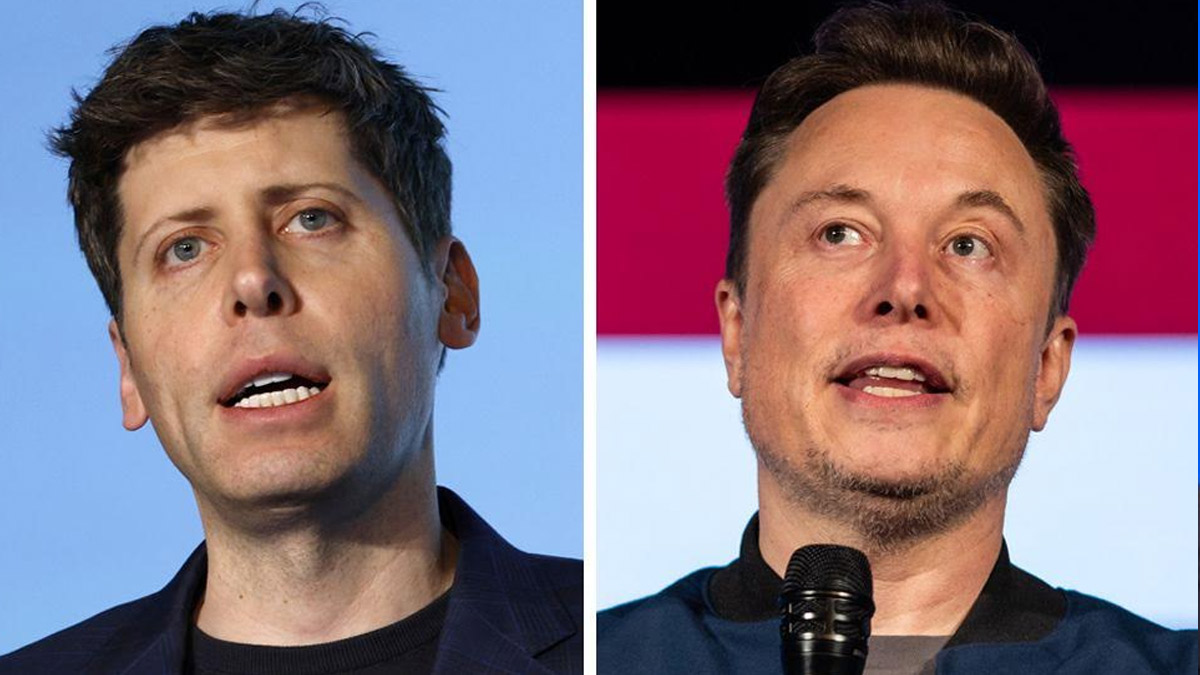
MUMBAI: When the stakes are measured in billions and egos are involved, even Silicon Valley titans can turn a courtroom into a battlefield. OpenAI has issued a sharp public response to Elon Musk’s ongoing lawsuit, accusing the billionaire of filing the case to harass a competitor rather than address genuine concerns. In a strongly worded statement shared on its official X account, OpenAI described Musk’s allegations as “baseless” and suggested the lawsuit is an attempt to disrupt the company as the case heads toward trial later this month in Oakland, California.
The response comes after Musk’s legal team recently amended the complaint, proposing that any damages potentially exceeding $150 billion should go to OpenAI’s nonprofit entity rather than to Musk personally. OpenAI questioned the timing and motive behind this change, calling it a late-stage attempt to “pretend to change his tune” on the nonprofit structure.
The company further labelled the lawsuit a “harassment campaign”, arguing that Musk’s actions are driven by personal rivalry, ego, and a desire for greater control and financial upside.
At the heart of the dispute is Musk’s claim that OpenAI has abandoned its original nonprofit mission of developing artificial intelligence for the benefit of humanity. A co-founder who left in 2018, Musk is seeking governance changes, including the removal of CEO Sam Altman from the nonprofit board, and the return of certain financial gains linked to Altman and President Greg Brockman.
OpenAI has firmly rejected these allegations, maintaining that its current hybrid structure, a public-benefit corporation overseen by a nonprofit parent remains true to its long-term goals. The company has also previously accused Musk of anti-competitive behaviour aimed at weakening its leadership.
As the case prepares for a jury trial, this public exchange highlights the deepening rift between two of the most influential figures in the AI revolution and raises broader questions about governance, mission, and power in the fast-moving world of artificial intelligence.
In the high-stakes game of AI, it seems the real drama isn’t just inside the models, it’s playing out in courtrooms too.






