iWorld
Brands engage with Twitter influencers to reach out


MUMBAI: According to the Internet and Mobile Association of India (IAMAI), as of March 2013, Twitter had 33 million users across the country. An Economic Times report said that Twitter is eyeing India’s over 500 million mobile consumers as potential users, given that its service can be used on feature phones.
With statistics like that, no wonder brands are milking the popularity and reach of the micro-blogging site, albeit through people called ‘influencers’.
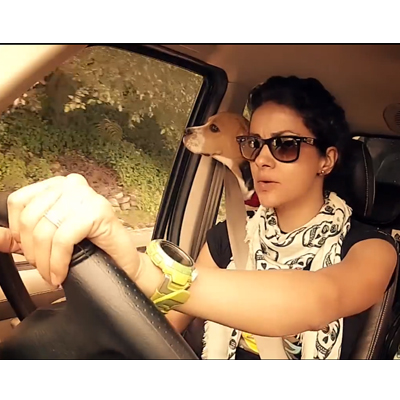
Earlier this month, a national dairy brand created a Twitter splash with the help of 50 influencers, with the campaign being the most talked about at the time. Similarly, Mahindra has identified an ‘influencer’ for its SuPer Milo in actress Gul Panag, who connects with the brand at many levels and campaigns regularly on Twitter.
So, who are these influencers whom brands are increasingly seeking out in order to grow their consumer base and widen their reach?
Social Wavelength joint CEO Sanjay Mehta says that there are three types of influencers. Firstly, the celebrity kinds, who may generate influence across many different areas and people; secondly, subject matter influencers, who are domain specialists and wield influence in specific categories such as automobiles or gadgets or fashion; and thirdly, peer influencers, who may not fall in the first two categories but have good influence over a sizeable group of tweeple (people on Twitter) who interact with them.
Mehta points out that of late, several brands have been engaging with influencers, in big or small ways; be it getting influencers to talk about their new mobile phone or getting them to initiate a tweetinar (a seminar on Twitter) on a topic of relevance. “At the end of the day of course, it is about getting engagement with the influencers, and through such engagement, managing to get an amplification of the brand via the wider network reach of the said influence,” Mehta explains.
A common perception among social media enthusiasts is that Twitter influencers are those who have a huge follower base. While FoxyMoron co-founder, director – new business Pratik Gupta, is of the view that while this is a crucial criterion and an influencer must have at least 1,500 followers, other factors too need to be taken into consideration. “The brand must select an influencer whose opinion and tone is in sync with the brand philosophy. The content tweeted must be consistently of good quality and at the same time, be memorable and valuable. Also from a brand perspective, it is important to ensure that the chosen influencer has not endorsed a competitor in the past. The final criterion one must look out for is dedication; the influencer must regularly and religiously tweet in order to keep his/her followers intrigued,” says Gupta.
For instance, for Maybelline New York India, Foxymoron identified a core group of influencers and called them the ‘Beauty Brigade’. This was done in order to create better products and a unique identity in a highly competitive market. Members of the brigade were the first to receive product samples and hear about contests. They played a major role in promoting brand awareness and product loyalty.
Gupta says that these days, brands engage with influencers in different ways including product sampling, reviews on blogs and DIY YouTube tutorials. Influencers give their opinions in the form of reviews and connect with their followers on a personal level. So, they tend to gain the trust of their followers apart from adding advocacy to brand campaigns. “They support the brand by enabling it to tap into their own fan base. Every consumer then becomes a potential word-of-mouth marketer, which is one of the biggest benefits to the brand. This becomes a win-win situation for the brand and the consumers”, explains Gupta.
That said, most brands are not very open about engaging with influencers on social media. And still, part of the success of the brand on Twitter campaigns definitely goes to its influencers!