News Broadcasting
Avanish Kumar takes charge of government digital business at NDTV

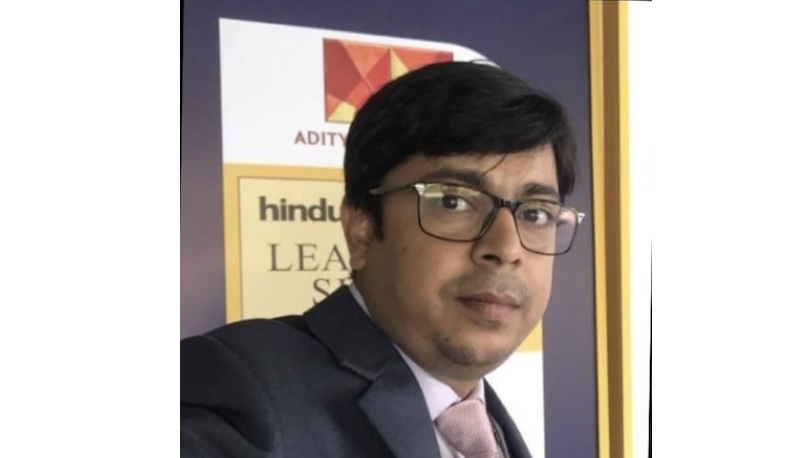
NEW DELHI: NDTV has named Avanish Kumar as head of digital business (government), tasking him with leading its engagement with ministries, departments, PSUs and state bodies at a time when government advertising and campaigns are becoming increasingly digital.
Kumar joins from the India Today group, where he spent more than two years as chief manager of government business. There he managed the Business Today “Multiverse” – spanning the magazine, businesstoday.in and BTTV – with a sharp focus on monetising digital assets, building state and central government associations, and positioning the brand as media partner for investor summits and public events. He also worked directly with political parties to craft campaign solutions across platforms.
Before India Today, Kumar was head of media marketing at Bharat Prakashan, publisher of Organiser and Panchjanya, where he managed pan-India teams and drove digital and content-marketing strategies for clients. He earlier served as business head at Flame Advertising, handling PSU and BFSI accounts, and was instrumental in developing government activations across radio, print, digital and cinema.

Kumar cut his teeth in the private-sector media houses. At Hindustan Times, he generated advertising revenue across print, digital and radio while monetising flagship events such as the Hindustan Times Leadership Summit, Mint Energy Conclave and HT Palate Festival. At The Hindu, he focused on government features, supplements and sponsorship deals, working with ministries on campaigns such as “Incredible India”. His early years were spent at Nava Bharat, liaising with ministries and advertising agencies for media plans.
Across these roles, Kumar has built a reputation as a government-business specialist with deep relationships across ministries, state information departments, investment boards and advertising agencies. His skill set blends digital marketing, media sales and event monetisation – areas critical for broadcasters and publishers as government spending increasingly shifts from print to online.
At NDTV, Kumar’s brief is clear: maximise public-sector partnerships, align with government communication priorities, and grow digital revenues. His appointment comes as NDTV, part of the Adani group, looks to strengthen its foothold in digital news while navigating a fiercely competitive and politically sensitive landscape.






News Broadcasting
News18 India launches Command Centre war explainer with Arya
New show shifts from debates to decoding global conflicts and impacts
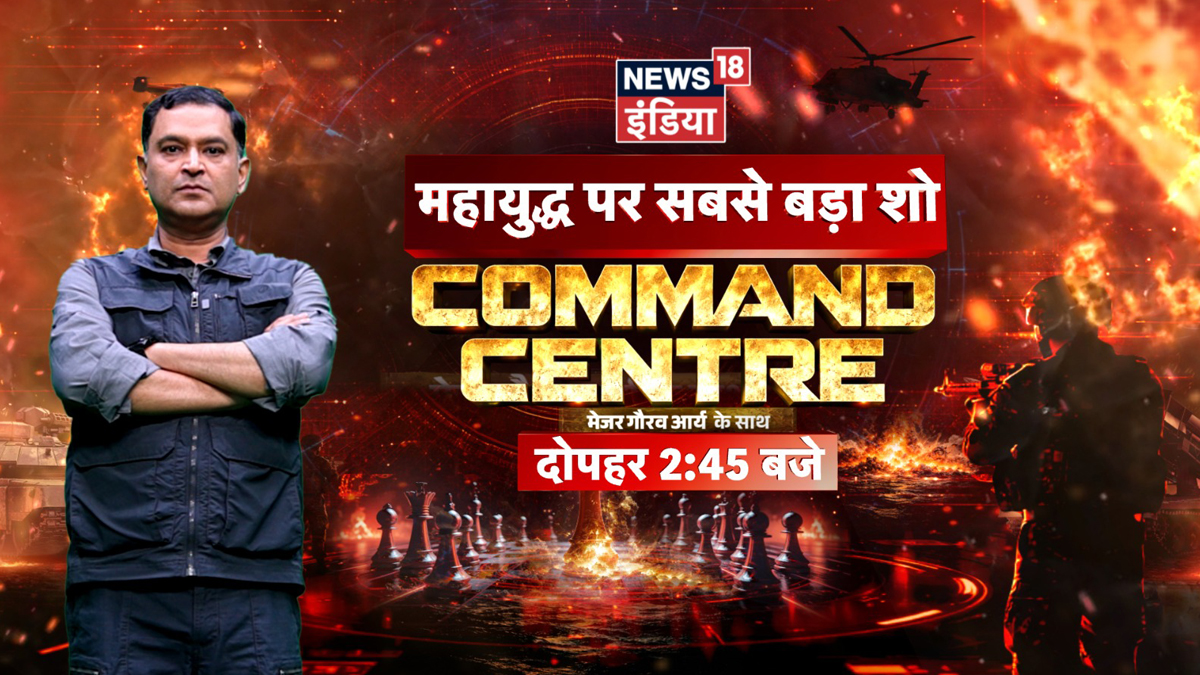
MUMBAI: News18 India has rolled out a new war-focused programme, Command Centre, featuring Gaurav Arya, as it looks to offer viewers a sharper, more grounded take on global conflicts amid rising tensions in West Asia.
Positioned as an “insider war room”, the show moves away from conventional panel debates and instead focuses on explaining military developments, decoding strategy and connecting global events to their everyday impact, from fuel prices to economic shifts.
The format leans heavily on visuals and data. The studio has been designed like a command hub, complete with large LED war maps, real-time graphics and an alert system to track developments as they unfold.
At the centre of it all is Arya, who brings his military background to simplify complex war strategies for viewers. His signature line, “Seedhi baat samjhiye”, anchors the show’s promise of clarity over noise.
News18 India managing editor Jyoti Kamal said, “Command Centre, featuring Major Gaurav Arya is designed to deliver accurate insights and a clear perspective on how evolving conflicts impact everyday life, from household budgets to national security. With expert voices analysing every development in real time, the show goes beyond headlines to decode what’s happening now, what it means, and what could come next.”
Echoing the intent, Gaurav Arya added, “In times of war, confusion is the biggest threat. With News18 India’s Command Centre, we are bringing viewers inside the war room, decoding strategies, tracking every escalation, and explaining, in the simplest terms, what it means for India and for every household. Seedhi baat samjhiye, this is where you understand not just what is happening, but what happens next.”
The weekday show will air in the afternoon slot and will also feature Gaurav Shukla, adding to its editorial depth.
With its mix of analysis, visuals and a clear focus on impact, the show reflects a broader shift in news consumption. Viewers are no longer just watching events unfold, they are looking to understand what those events mean for them.







