iWorld
Amazon Prime Video and MAMI launch ‘Maitri: Female First Collective’

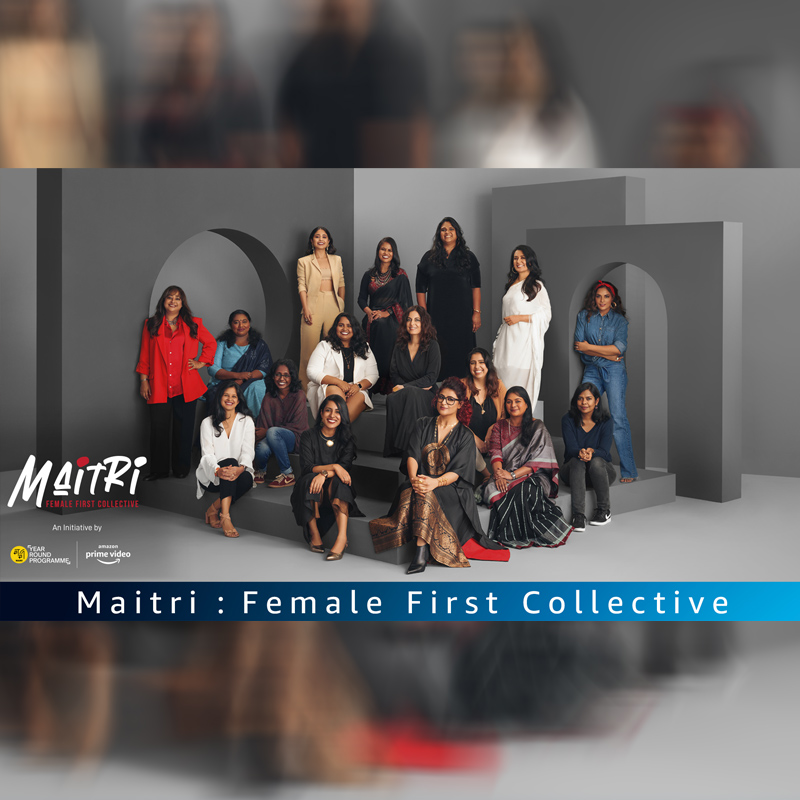
Mumbai: Amazon Prime Video has partnered with Mumbai Academy of Moving Images (MAMI) to launch ‘Maitri: Female First Collective.’
The aim of the initiative is to build a community for women in media and entertainment where they can come together on a quarterly basis to discuss their experiences, challenges and successes and offer their perspective and advice on how to bring about a positive shift, said the statement.
The highlights of the sessions will be available on Amazon Prime Video India’s YouTube channel and MAMI’s YouTube channel and their respective social media platforms.
The first episode featuring 16 women who participated in the debut session went live on Friday. These women include Junglee Pictures and Times Studios Originals CEO Amrita Pandey; screenwriter and hairstylist Ayesha DeVitre Dhillon; screenwriter and author Bhavani Iyer; filmmaker Gayathri; filmmaker Jeeva; screenwriter Juhi Chaturvedi; filmmaker Kunjila Mascillamani; actor and TV host Mini Mathur; filmmaker Nupur Asthana; actor and producer Richa Chadha; filmmaker Rintu Thomas; actor and producer Shweta Tripathi Sharma; comedian, actor, writer, creator, and CE-HOE founder Sumukhi Suresh; filmmaker and author Tahira Kashyap Khurrana; Amazon Prime Video head of India Originals Aparna Purohit, and artistic director of MAMI Smriti Kiran – who curated the room and moderated the discussion.
“At Amazon, we believe that diversity, equity and inclusion, is not just needed, it is essential, and we are constantly trying to go beyond intention to institutionalize processes and mechanisms to create an ecosystem that mirrors true diversity,” said Prime Video’s Aparna Purohit. “Maitri means friendship or kinship, and the idea behind this initiative was to create a space for women to get together as friends, contemporaries and colleagues to collaborate, communicate and pave the way for others to follow. I believe that making an impactful change takes time, and can only happen when we begin to have a conversation regularly and repeatedly. I am glad that we have taken this small, yet significant step with the help of MAMI.”
“I have immense faith in collaboration, community building and shared experience,” said Maitri creator and curator Smriti Kiran. “It was invigorating to bring the first room for Maitri: Female First Collective together. The idea behind Maitri is togetherness. Very grateful to Aparna Purohit and Amazon Prime Video for seeing value in this vision and giving Maitri the support that it needs to soar.”
In June last year, Amazon Studios had released the inclusion policy and playbook, which is being gradually rolled out across the organisation.