iWorld
Amazon miniTV unveils the quirky trailer of its upcoming series Namacool


Mumbai: Amazon miniTV has unveiled the highly anticipated trailer of its upcoming comedy-drama series, Namacool. Set in Lucknow, the trailer features two inseparable friends, Mayank and Piyush who are far from royal and yearn for fame as they enter their second year of college. The duo finds themselves in a series of hilarious misfortunes that sets off a journey of comedy, romance, and crime as they attempt to unfold the true definition of manhood. Directed by Ritam Shrivastava and written by Shantanu Srivastava, this seven-episode series features Hina Khan, Abhinav Sharma, Aaron Koul, Abhishek Bajaj, Anushka Kaushik, Faisal Malik, and Aadil Khan in pivotal roles. This comedy drama is produced by Reliance Entertainment Studios.
Namacool follows the lives of Mayank and Piyush as they uncover the true essence of manhood. Fate leads them to stumble upon new friends, foes, and love interests that set their lives spiralling into a world of confusion, comedy, and drama. Packed with enthralling twists and turns, viewers will be on the edge of their seats as the story of this laugh riot unfolds upon them.

Sharing his thoughts on the upcoming series, Amazon miniTV head of content Amogh Dusad said, “Namacool aims to have a refreshing take on the comedy-drama genre through its quirky storytelling. It’s a story that will resonate strongly with audiences in the Hindi heartland through its dialogues, screenplay and much more. We’re certain that it will strike a chord with viewers who will definitely want more!”
Expressing her excitement about portraying the charming and enigmatic Rubiya, Hina Khan shared, “As an artist, collaborating with Amazon miniTV for the first time has been an exhilarating experience. Working on Namacool has been nothing short of amazing, and I’m truly delighted to be a part of such a fantastic project. It’s a quintessential comedy-drama, a laughter riot that will surely etch a special place in the hearts of audiences nationwide. I can’t wait for them to join us on this entertaining ride that will leave them in splits.”
“Being a part of Namacool has been like stepping into a world where every moment is a blend of comedy, chaos, and honest heartfelt moments. Portraying the character of Mayank has been a journey of self-discovery, where I’ve explored the highs and lows of friendship, love, and the hilarious mishaps that shape us. Working on this project with Amazon miniTV and an extremely talented cast and crew has been a wonderful experience, and I’m thrilled to invite viewers to embark on this journey with us.” shared Abhinav Sharma, who is essaying the role of Mayank in the series.
Namacool will premiere on 17 May exclusively on Amazon miniTV.







iWorld
OpenAI hits back at Elon Musk’s lawsuit ahead of trial
Company calls claims “baseless” and accuses Musk of trying to disrupt a rival.
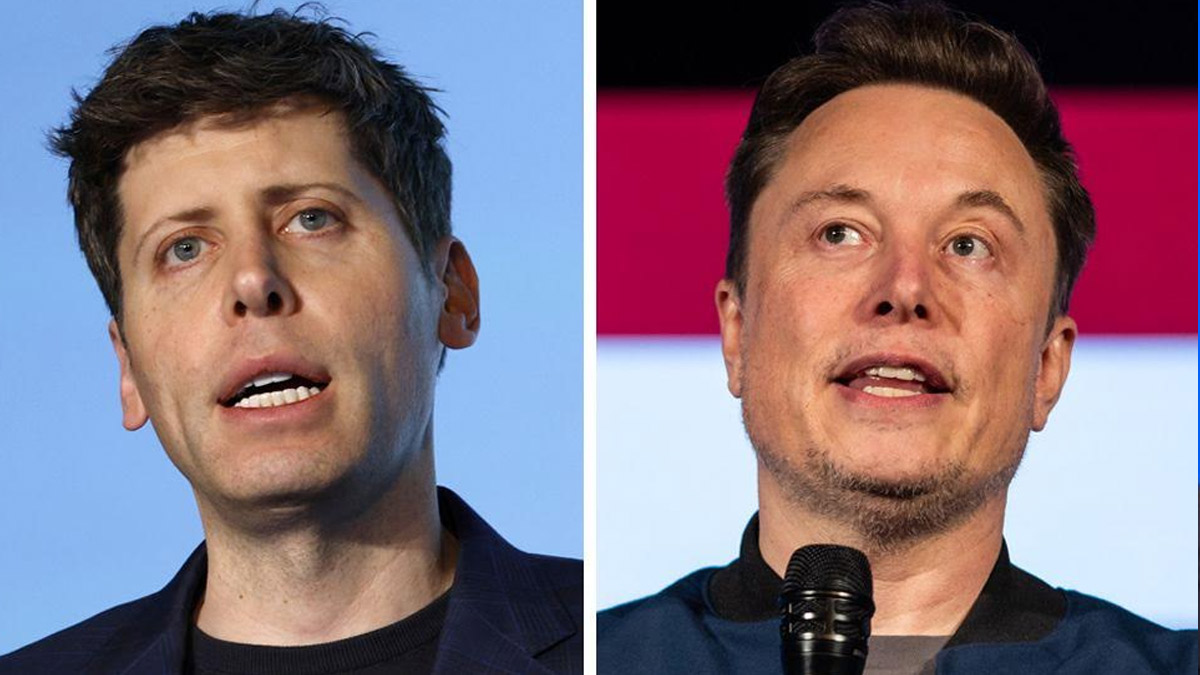
MUMBAI: When the stakes are measured in billions and egos are involved, even Silicon Valley titans can turn a courtroom into a battlefield. OpenAI has issued a sharp public response to Elon Musk’s ongoing lawsuit, accusing the billionaire of filing the case to harass a competitor rather than address genuine concerns. In a strongly worded statement shared on its official X account, OpenAI described Musk’s allegations as “baseless” and suggested the lawsuit is an attempt to disrupt the company as the case heads toward trial later this month in Oakland, California.
The response comes after Musk’s legal team recently amended the complaint, proposing that any damages potentially exceeding $150 billion should go to OpenAI’s nonprofit entity rather than to Musk personally. OpenAI questioned the timing and motive behind this change, calling it a late-stage attempt to “pretend to change his tune” on the nonprofit structure.
The company further labelled the lawsuit a “harassment campaign”, arguing that Musk’s actions are driven by personal rivalry, ego, and a desire for greater control and financial upside.
At the heart of the dispute is Musk’s claim that OpenAI has abandoned its original nonprofit mission of developing artificial intelligence for the benefit of humanity. A co-founder who left in 2018, Musk is seeking governance changes, including the removal of CEO Sam Altman from the nonprofit board, and the return of certain financial gains linked to Altman and President Greg Brockman.
OpenAI has firmly rejected these allegations, maintaining that its current hybrid structure, a public-benefit corporation overseen by a nonprofit parent remains true to its long-term goals. The company has also previously accused Musk of anti-competitive behaviour aimed at weakening its leadership.
As the case prepares for a jury trial, this public exchange highlights the deepening rift between two of the most influential figures in the AI revolution and raises broader questions about governance, mission, and power in the fast-moving world of artificial intelligence.
In the high-stakes game of AI, it seems the real drama isn’t just inside the models, it’s playing out in courtrooms too.






