iWorld
4K content, TV and OTT players: Why India needs to take note


MUMBAI: Here’s why Indian OTT players, TV broadcasters and content creators need to take 4K seriously. A new research report Digital TV & Video: Network and OTT Strategies 2016-2021 from Juniper Reseatch has predicted that 4K OTT services will attract over 189 million unique users globally by 2021, up from just 2.3 million this year, driven by greater content availability and compatible devices.
While connected TVs will be the dominant platform, viewership will take place through a range of devices, including smartphones, tablets and PCs.
The report points out that a large part of the adoption will take place in the US, as an increasing amount of viewers there take to 4K internet TV and video content watching taking number of the tribe up to 1 in 10 by 2021 as against the 1 in 500 consuming it, there will be offtake in India too. With the dropping of bandwidth and data costs courtesy telecom price wars, and the spread of 4G LTE, India which is a mobile rich country, should see increasing video – even 4K – being consumed on the go on hand held devices and at home.

The new research found that although YouTube, Netflix and Amazon already offer some 4K video, network providers have been waiting for a critical mass of content to become available before launching their own 4K offer. However, 2016 has seen roll-out of a number of new 4K offerings, such as the launch of the Sky Q 4K service in the UK, coupled with new hardware launches to provide a means of streaming online 4K content.
Indeed, device compatibility in the past has proved to be a significant barrier for online 4K video.
Research author Lauren Foye explained: ‘The popularity of online video has seen the use of set-top boxes from vendors such as Roku and Amazon soar. However, delivery mechanisms for content have seen slower adoption, as the availability of 4K capable streaming devices is limited. New device launches, such as the 4K capable Xbox One S this month, among others, are likely to spur a boost in 4K usage.’
Juniper is cautiously optimistic about the progress of 8K. Whilst there is one commercially available 8K TV currently on the market (priced at $133,000), 8K content is a long way from becoming mainstream. In a similar form to 4K, Juniper sees 8K smart TVs emerging first, followed by streaming devices and set-top boxes, making this a drawn out process.
With Japan seeking to broadcast the 2020 Olympics in 8K, the industry is likely to use this as an opportunity to drive sales of 8K smart TVs. Juniper forecasts that 8K smart TV shipments will grow more than threefold between 2020 and 2021, to reach over 400,000 per annum by the end of the forecast period.






Gaming
Sony raises PS5 prices for second time in under a year
US disc edition jumps $100 to $649.99 as memory costs surge.
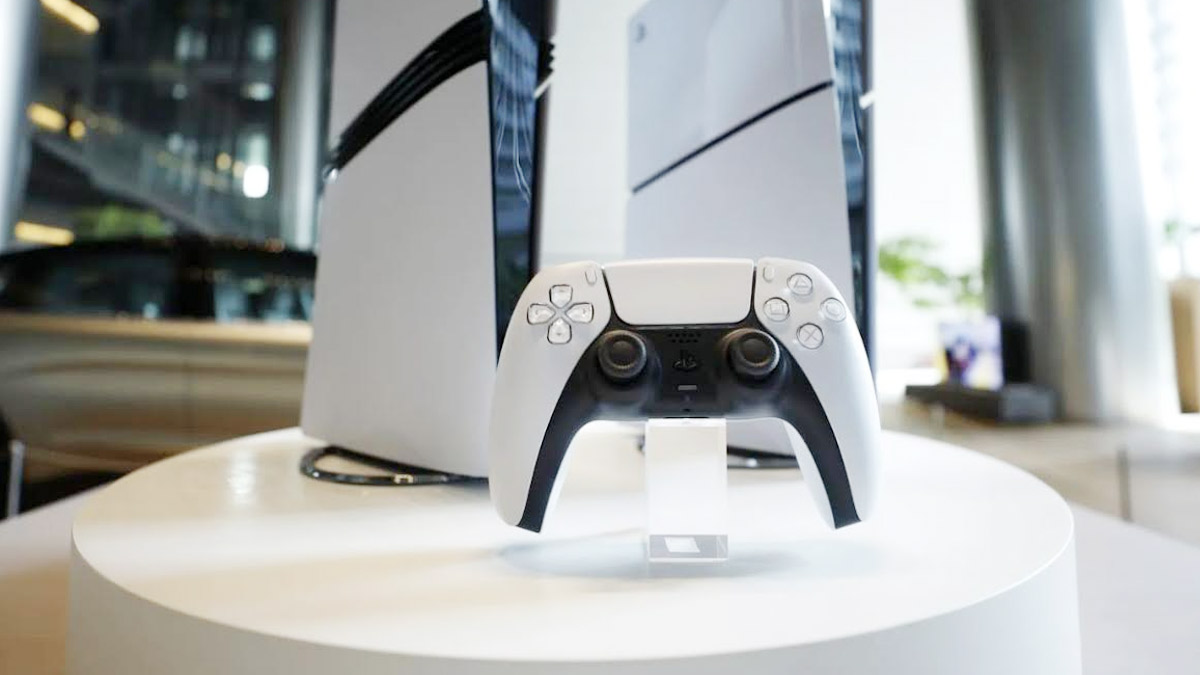
MUMBAI: Sony just hit the pause button on affordable gaming because when memory prices skyrocket, even the Playstation has to pay the premium. Sony has announced its second price increase for the Playstation 5 range in less than a year, citing pressures in the global economic landscape and a sharp rise in memory component costs driven by AI demand.
In the US, the PS5 disc edition will rise from $549.99 to $649.99, a $100 hike while the digital edition increases to $599.99. The more powerful PS5 Pro will jump $150 to $899.99. The Playstation Portal remote player will also rise by $50 to $249.99. The new prices take effect on 2 April 2026.
Similar increases have been applied in the UK (£90 per model), Europe and Japan. Sony last raised PS5 prices in the US in August 2025.
“We know that price changes impact our community, and after careful evaluation, we found this was a necessary step to ensure we can continue delivering innovative, high-quality gaming experiences to players worldwide,” Sony said in a blog post.
The hikes come amid an unprecedented surge in memory prices, as manufacturers prioritise supply for AI data centres. Analysts say Sony had likely secured price protections for components that have now expired, forcing the company to protect its hardware margins.
Ampere Analysis research director of games Piers Harding-Rolls told CNBC that further increases from Microsoft and Nintendo would not be surprising, though Nintendo may hesitate to raise the price of its recently launched Switch 2 while establishing the new platform.
The increases arrive eight months before the highly anticipated release of GTA 6, which is expected to drive strong console sales. However, early reactions online have been a mix of disappointment and resignation, with growing concern that premium gaming is increasingly becoming a hobby for higher-income players.
In a sector already grappling with tariffs, inflation and component shortages, Sony’s move underscores a tough reality: even the most popular consoles are not immune to the rising cost of keeping up with the latest technology.








