iWorld
2016: Hotstar is Apple TV’s & Voot Google Play’s top app
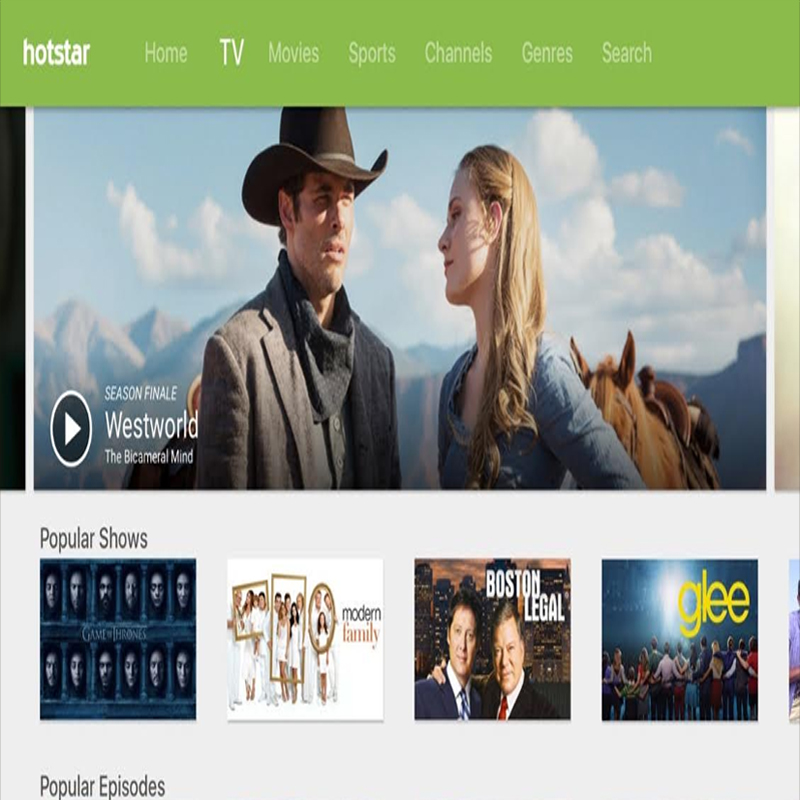
MUMBAI: Hotstar has appropriated the top spot on amazing iTunes as Apple TV’s app of the year for India 2016. The app was launched on Apple TV in August and the recognition comes on the back of a breakthrough year in which Hotstar continued to lead and disrupt the Indian market place. Indiantelevision.com also reported about a similar recognition in the digital space yesterday. In its year of launch, Viacom18’s video-on demand platform, Voot made it to the prestigious -Best Apps of the year 2016 India list on Google Play.
2016 saw Hotstar introduce a host of new tech features and content proposition for its ever-increasing number of consumers, which currently stands at a whopping 130 million downloads.
“India is the only country in the world where a streaming platform like Hotstar exists where the best TV shows from around the world, movie premieres and live sports are available on a single platform. The Indian consumer today is absolutely at the frontiers of mobile video: no consumer in any other part of the world has access to better options than the Indian consumer. Now, we are setting our sights on shaping the connected TV experience in India,” said Hotstar CEO Ajit Mohan.
While innovation on live sports streaming continued to draw fans with the deeply engaging coverage of the Vivo IPL 2016, Rio 2016 Olympic Games, Premier League football and Kabaddi World Cup on Virtual Reality, the entertainment offerings were significantly beefed up when Hotstar launched its premium service in April making the best of international shows available in India alongside their US airing.
The lineup on the premium service includes Emmy award-winning TV shows such as Game of Thrones, The Night Of, Westworld, Veep, and American Crime Story that are all exclusively available in India on Hotstar.
Also Read:
Viacom18’s Voot ranked among 2016’s best apps on Google Play

e-commerce
American Express to acquire AI startup Hyper to boost automation
Deal targets expense management as AI reshapes corporate spending tools.
MUMBAI: From receipts to robots, the expense sheet is getting a brain upgrade as American Express moves to bring artificial intelligence into the heart of corporate spending. The company has announced plans to acquire Hyper, a relatively young but fast-rising startup founded in 2022 that builds AI-powered agents capable of organising expenses, generating reports, verifying compliance with budgets and policies, and nudging users with timely reminders. The deal, expected to close in the second quarter of 2026, underscores a growing shift among financial institutions to automate traditionally manual, time-heavy workflows.
Hyper counts Sam Altman among its backers, adding a layer of Silicon Valley credibility to the acquisition. While financial details remain undisclosed, the strategic intent is clear: deepen automation capabilities and sharpen American Express’s position in the competitive corporate spending ecosystem.
The two companies are not strangers. They previously collaborated in 2024 on a co-branded credit card product, suggesting that the acquisition is less a cold buy and more an extension of an existing relationship. With this move, American Express is effectively bringing that capability in-house, aiming to embed AI directly into its commercial services stack.
Chief executive Stephen Squeri had already signalled the direction of travel in a recent shareholder letter, describing AI as a “structural shift” in how businesses operate. The Hyper acquisition appears to be a direct response to that shift, particularly in expense management, where processes such as approvals, compliance checks and reporting remain ripe for automation.
Alongside the acquisition, the company is also expanding its product suite. A recently launched business credit card offers cashback and benefits at an annual fee of $295, with another card expected later this year moves that complement its broader push into commercial services.
Taken together, the strategy points to a future where managing expenses may require fewer spreadsheets and more algorithms. For American Express, the bet is simple, if businesses are rethinking how work gets done, the tools that power that work need to evolve just as quickly.