Ad Campaigns
Vidunit & Duolingo’s ‘Vaati Coming’ smashes records with 150 million views

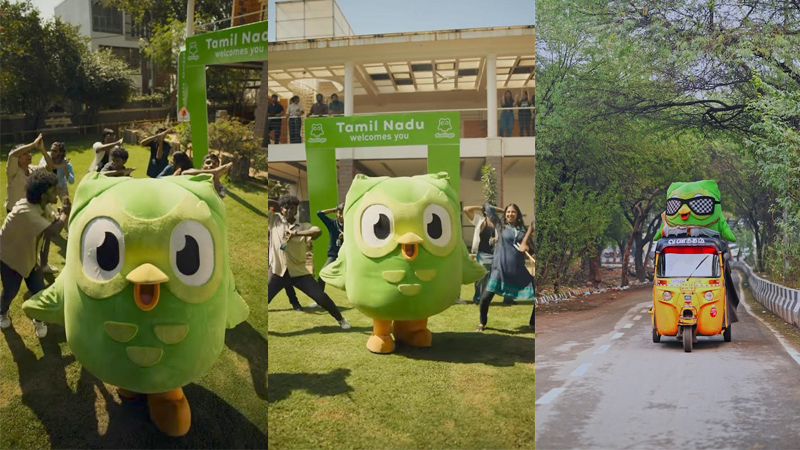
MUMBAI: When pop culture meets purpose, the internet takes notice. Vidunit just pulled off a marketing coup with Duolingo’s Tamil language launch campaign, “Vaati Coming”. In just four days, the campaign clocked 150 million views, skyrocketing app downloads and proving that hyper-localised content is the future of influencer marketing.
Forget generic ads—Vidunit went all in. The campaign roped in 150 influencers across long- and short-format content, from daily vlogs and web series to fitness hacks, gaming marathons, cooking demos, and comedy sketches. The goal? Make learning Tamil as exciting as Pongal celebrations. And speaking of Pongal, the campaign was timed perfectly with the festival, injecting an authentic, festive vibe that made the message stick.
Vidunit didn’t just pick creators at random. It used data-driven insights to onboard high-engagement influencers, ensuring content would go viral. The campaign’s success wasn’t just about numbers; it was about relevance. The strategy involved repurposing influencer videos into Instagram reels, Youtube stories, and community posts, giving the campaign an extended lifespan.

The results? Over 20 creators hit one million views within 24 hours, proving that hyper-local, culturally rich storytelling resonates stronger than generic advertising.
Duolingo India regional marketing director, Karandeep Singh Kapany praised the campaign’s ability to break barriers, “Duolingo has always believed in making language learning accessible and fun, and the Tamil launch campaign embodies that vision perfectly. Vidunit’s innovative approach ensured the campaign resonated with Tamil-speaking audiences and created an emotional connection through relatable and authentic content.”
Vidunit founder & CEO Sourabh Kumar highlighted the power of pop culture in marketing, “At Vidunit, we take pride in our expertise in multi-language campaigns, and ‘Vaati Coming’ is a testament to our team’s dedication and precision. Our strong relationships with creators, deep understanding of Tamil content trends, and data-driven strategy helped us execute this massive campaign, boosting Duolingo’s reach while celebrating the essence of Tamil culture.”
Vidunit and Duolingo just rewrote the rulebook on influencer marketing. If this campaign is any indication, the future of marketing is hyper-local, highly engaging, and irresistibly fun.
Watch the campaign film here:






NATIONAL: Amazon Ads has laid out a sharply tech-led vision for the advertising industry in 2026, arguing that artificial intelligence, streaming TV and creator partnerships will combine to turn brand building into a more precise, performance-driven business.
At the heart of the shift, the company says, is the fusion of AI with Amazon’s vast trove of shopping, browsing and streaming signals, allowing advertisers to move beyond blunt reach metrics to campaigns designed around real customer behaviour.
“The future of advertising is not about reaching more people, but the right people with messages that resonate,” said Amazon Ads India head and vice president Girish Prabhu. “By combining AI with deep customer insights, we help brands move from broadcasting campaigns to having meaningful conversations wherever audiences spend their time.”
One of the biggest changes, according to Amazon Ads, will be the collapse of the wall between media planning and creative development. Retail media, powered by first-party data, is increasingly shaping everything from brand discovery to final purchase, pushing marketers to design campaigns around audience insight rather than internal instinct.
AI is also moving from a support tool to a creative engine. Agentic AI, which automates and accelerates production, is expected to make high-quality creative accessible even to small businesses, compressing weeks of work into hours and giving challengers the ability to compete with larger brands on speed and scale.
Behind the scenes, AI-driven analytics will take on a bigger role in campaign optimisation, identifying patterns, spotting opportunities and recommending actions that would previously have required teams of analysts.
Streaming TV is another big battleground. With India’s video streaming audience now above 600 million and connected TV users at 129.2 million in 2025, advertisers are set to treat streaming not just as a branding channel but as a performance engine, measured increasingly by sales, sign-ups and bookings rather than just reach.
Finally, Amazon Ads sees creators and contextual advertising reshaping how brands tell stories. Creators will act less like influencers and more like long-term partners, while scene-aware ads on streaming platforms will allow brands to insert hyper-relevant offers into the flow of what viewers are watching.
Taken together, Amazon Ads argues, these shifts mark a move towards advertising that is both more human and more measurable, where AI handles the complexity, and creativity does the persuading.






