MAM
Uber celebrates 10 years in India, releases digital film #IndiaKiRide

Mumbai: Ten years ago today, the first Indian rider hailed an Uber on the streets of Bengaluru, beginning a journey that would quickly see the app become the country’s most preferred platforms for riders and drivers alike. Since then, Uber has transformed the mobility landscape in India. A safe, reliable and affordable car, auto, moto or bus ride via the app is now available in 125 cities across India.
To celebrate this milestone, here is a look back at the impact Uber has made.
|
Over the last 10 years in India … ● Over 50,000 Crores – that is the amount of money drivers have earned through the Uber platform since 2013 ● 3,300 Crore Kilometers – that is how much Uber drivers have driven, it is equivalent to travelling from Earth to the Moon about 86000 times! ● 300 Crores – that is the total number of trips taken on Uber in India ● 30 Lakh – that is the number of drivers who have earned via the Uber app as a driver partner, that’s enough to fill the Narendra Modi stadium in Ahmedabad 30 times over! ● 4 Crore Kilometers – that is the number of green kilometers driven on Uber in India as we make good on our commitment to become a zero-emissions platform by 2040! |
Uber’s mission has been to create opportunity through movement. Through this decade-long journey, Uber has innovated for Indian customers and empowered earners by removing inefficiencies and using technology to unlock greater value for all. With the secular trend towards digitisation and India’s focus on growth, Uber has relentlessly focussed on transforming mobility for millions.
Reflecting on Uber’s 10 year milestone, Uber India and South Asia president Prabhjeet Singh said, “Uber has become a part of India’s social fabric and we are proud and privileged to have been able to make a difference by enabling access and movement to riders while enabling livelihood to millions of drivers over the last decade. With a vibrant demography and expanding digital economy, the future is exciting and we look forward to doing our bit to accelerate progress towards India’s envisioned techade.”
Starting with a few cities, Uber now operates in over 125 cities across India, making it possible for millions of people to book a ride within minutes and helping over 800,000 drivers earn a sustainable income. The company has introduced several India-first innovations, tailored to meet the specific demands of Indian riders and drivers. From the introduction of cash payments and regional language support to the implementation of several industry-first safety features, Uber has consistently strived to provide a seamless experience for its users.
With ten years of Uber, here are some significant consumer trends that tell the story of how Uber is shaping mobility preferences of Indians. Here are the highlights:
|
● 90% respondents say that Uber has revolutionized the way they travel in India ● 72% say that availability of ridesharing options has made them re-evaluate purchase of a personal vehicle. ● Over 30% say mobility offered through multiple modes is the single most loved aspect of Uber. Avoiding car maintenance or driver salaries ranks second while freeing up time during commute is the third most loved aspect. ● 79% said that they totally or frequently depend on Uber for their nightlife plans that involve drinking ● Nearly 55% say that sustainable mobility will become mainstream over the coming decade Source: Uber/Censuswide, Consumer Trends Survey, India, August 2023, n=1044 online adults, age: 18 to 54+ |
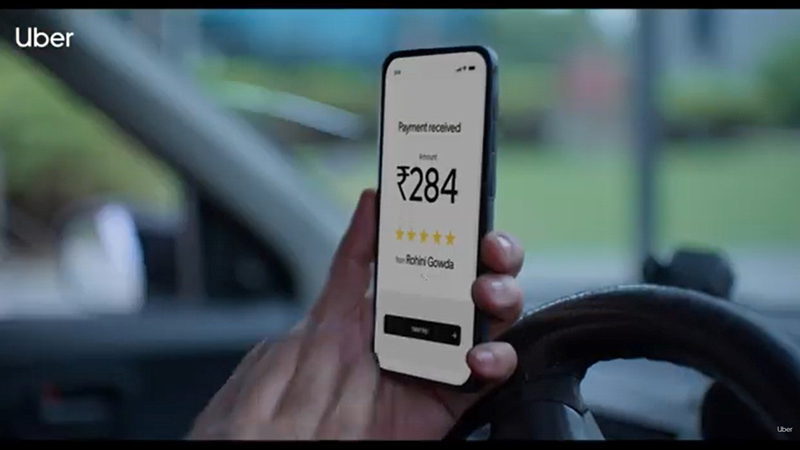
On this momentous milestone of ten years, Uber India has released a short digital film to remind everyone of the magic of Uber that has touched the lives of millions and transformed mobility for the masses.