MAM
The Next Big Retail Trends That Could Reshape India’s Consumer Market in 2027
From quick commerce and Tier II cities to AI forecasting and retail media, these four trends could reshape India’s retail industry in 2027.


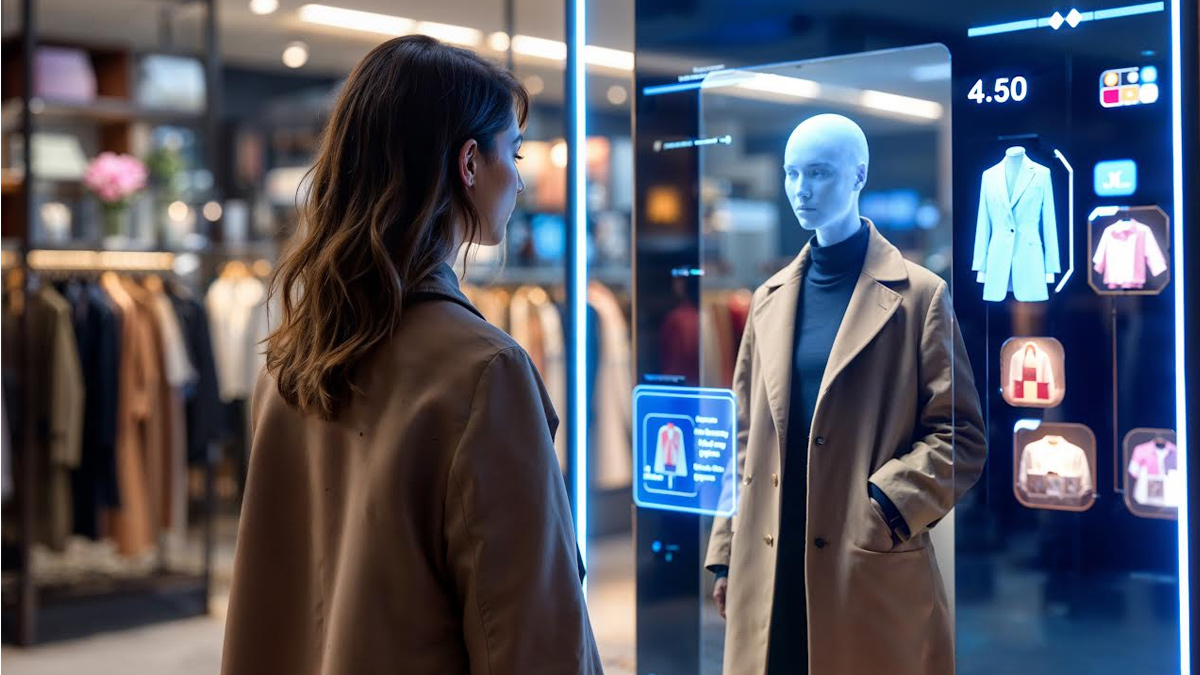
India’s retail market is entering a harder phase of growth. The easy wins already happened. Opening more stores or signing up more online shoppers will not move the needle the way it once did. Growth now depends on how well retailers link fulfillment, geography, data, and advertising into one working system.
Four shifts point to where that system is heading by 2027. Quick commerce is turning into basic infrastructure. Tier II and III cities are becoming a real source of demand. AI is changing how stock gets managed. And retail media is emerging as a business on its own, sitting on top of the original one.
Quick Commerce Moves From Novelty to Infrastructure
Ten-minute delivery looked like a gimmick when Blinkit first popularized it. The current numbers tell a different story. India had crossed 4,000 operational dark stores across Blinkit, Zepto, and Swiggy Instamart by March 2026, spread across more than 400 cities. The combined network of the top three platforms grew past 5,000 locations by May 2026, up from around 3,400 a year earlier, according to industry tracking cited by Business Standard.
That growth has not spread evenly. Bernstein analysts have found that most top-performing stores in India’s largest cities turn a profit, while stores in tier II markets still run at a loss. This gap sits at the center of the 2027 story. The model clearly works in dense metros. The open question is whether it can survive where order volumes stay thin.
Quick Commerce vs ONDC: Where Brands Are Placing Their Bets
Brands no longer see ONDC as a cheap alternative to quick commerce. They treat it as a second, separate channel with its own strengths.
| Factor | Quick Commerce | ONDC |
| Typical commission | 18% to 35% | Near 3% |
| Core strength | Speed, metro impulse demand | Wider reach, lower cost entry |
| Best suited for | Dense urban markets | Smaller towns, price-sensitive categories |
| Main cost driver | Dark store rent, delivery riders | Fulfilment and seller onboarding |
Most brands scaling well now run both channels together. Quick commerce handles fast-moving metro demand. ONDC extends reach into smaller towns without the heavier cost structure.
Tier II and III Cities Become the Next Growth Engine
For years, retailers treated Delhi, Mumbai, and Bengaluru as the whole market. That view is changing fast. Rising incomes, wider smartphone use, and a growing preference for branded products over local alternatives are pulling attention toward smaller cities. Government-backed digital infrastructure projects such as BharatNet, combined with ONDC’s growth, are removing some of the old barriers to entry.
This does not mean rapid delivery works everywhere by default. Order density, basket size, and real estate cost still decide whether a dark store in a tier II city can break even. Platforms are treating this expansion as a slower, more careful bet than their metro rollout was.
Quick commerce operators are being selective rather than blanketing the map. Analysts expect cities such as Jaipur, Lucknow, Indore, Bhopal, and Visakhapatnam to see a fresh round of store openings over the coming year. That shift marks a clear break from the metro-first approach that defined the sector’s early years.
AI Turns Retail From Reactive to Predictive
Traditional retail asks one question: what should we stock? AI-enabled retail asks a sharper question: which product, at which location, in what quantity, at what price, and when does it need restocking?
A peer-reviewed study on AI-driven supply chains in Indian retail, e-commerce, and FMCG found that predictive models can broadly lift forecasting accuracy by 15 to 25 % and cut inventory costs by 20 to 30%.
Wider industry research points to similar gains. For a dark store holding thousands of SKUs on a ten-minute promise, that gap between guessing and predicting often decides whether the location turns a profit.
Retail Media Turns Consumer Attention Into a Revenue Stream
Retailers hold an asset that goes beyond shelf space: the attention of shoppers already inside their apps. Amazon Seller Services reported advertising revenue of 8,342 crore rupees in FY25, up 25 % from the year before. Flipkart earned 6,317 crore rupees from advertising in the same period.
Advertising now makes up close to 28 % of Amazon India’s revenue. Quick commerce platforms are following the same path, with advertising spend across the category expected to reach 6,000 crore rupees in 2026, outpacing growth in traditional paid search.
The logic is straightforward. Ten-minute delivery is costly to run on product margin alone. Advertising brings in high-margin revenue without needing another dark store or delivery rider. For retailers, this builds a second business directly on top of the first.
Why These Trends Move Together
None of these four shifts works in isolation. Quick commerce needs AI-driven forecasting to survive outside dense metros. Tier II growth depends on the same digital infrastructure that keeps fast delivery running. Retail media only scales once platforms have enough transaction data flowing in from all these channels and cities combined.
Final Thought
By 2027, the winners in Indian retail will not be the ones with the most stores or the widest app reach. They will be the ones who have quietly linked fulfillment, geography, data, and advertising into a single system, treating every new city or product line as one more input rather than a separate bet.