MAM
TAM Sports launches IPL 3 & 4 assessment book


MUMBAI: TAM Sports, TAM Media Research‘s division that specialises in measuring the sports sponsorship RoI, has done an assessment on IPL 3 and 4 focusing on the dynamics of TV audience and sponsorships.
This series of TAM Sports publishing aims at benefiting sports association, broadcasters, advertisers and sports marketing consultancies and help them understand the complexity involved in expecting RoI, TAM said in a statement. The initiative started with IPL season 1 and also has a book on IPL season 2.
TAM Media Research CEO LV Krishnan said, “Based on the overwhelming response to our earlier book series of IPL 1 and 2, we at TAM Sports are glad to release the combined book volumes of IPL 3 and IPL 4. These two volume continues to highlight the insights on the sports sponsorship RoI on various Platforms – instadia, on-player and on-screen – to the industry along with throwing light on the tournament viewing analysis like audience profile, how various markets have responded to the event, impact of IPL on other genres with a special new section on franchisee advertising and print in-content placement. While cricket has been a big focus from TAM Sports due to its large audience and advertising base, we will also continue to provide more such insights on other sports like F1, Tennis and Football as well to serve the respective industry for its business requirements.”

TAM Sports‘ IPL 3 and 4 books include an in-depth study on the event‘s viewership dynamics, commercial and non-commercial advertising (product placement) that brings out the nuances with respect to visibility of brands and branding units along with a comparison across seasons. It offers a detailed study on consumer impressions, brand placement, on-screen and instadia advertising along with a special section on the franchisee advertising done during IPL Season 3 and 4. One part of this offering also includes the analysis on PR exposure received by franchisees and various brands associated with it.
According to TAM Sports‘ IPL study, IPL seasons were successful in reaching maximum audiences year on year. IPL Season 3 reached to 41+ million audiences whereas IPL 4 reached to 46+ million viewers. IPL 3 and 4 both garnered maximum contribution from CS 35+ age group whereas IPL Season 4 has seen increase in kids viewing. In comparison with IPL 3, IPL 4 witnessed 33 per cent growth in overall advertising while commercial, on-screen and instadia advertising witnessed a growth of 21 per cent, 50 per cent and 33 per cent respectively. Commercial advertising during IPL Season 4 increased by 21 per cent as compared to that of IPL Season 3. IPL 4 saw utilisation of 60+ instadia platforms. On player advertising has witnessed 37 per cent growth. 57 brands got exposure through 16 accessories platforms and contributed 2 per cent share of the total Instadia advertising.





MAM
India’s employability gap persists despite strong hiring intent
Only 1 in 5 institutions achieve 76 to 100 per cent placements within six months of graduation.
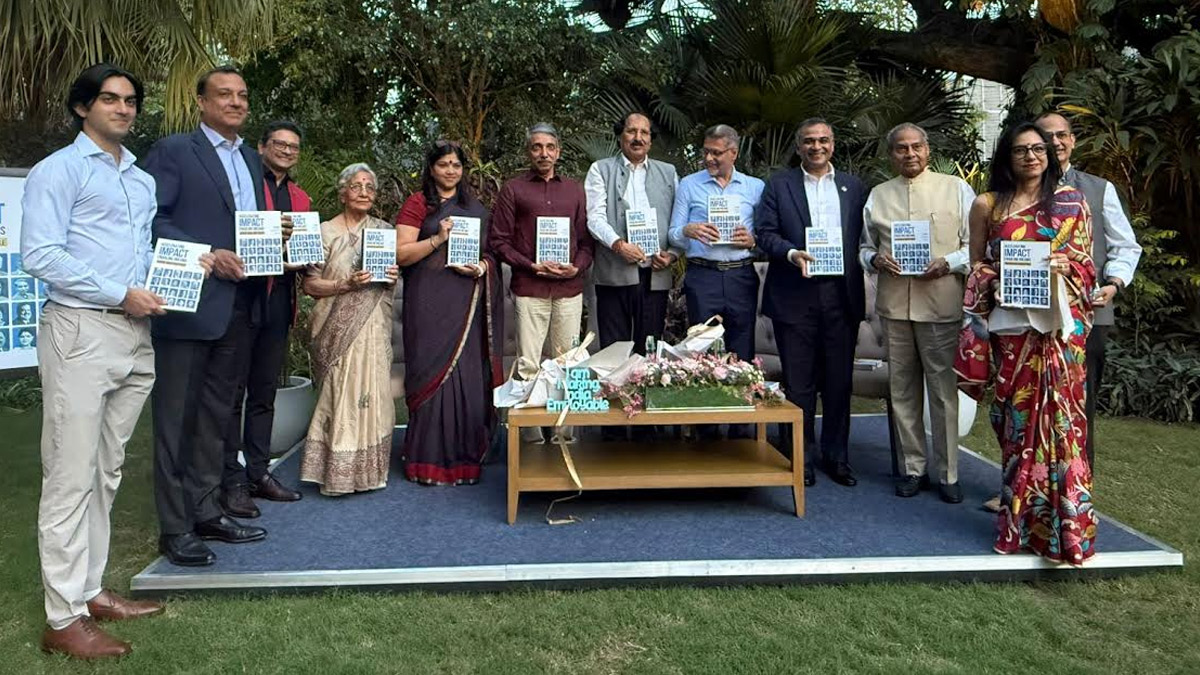
MUMBAI: India’s young workforce is ready in numbers, but the real question is whether they are ready for work and senior leaders from industry, academia and policy gathered in Delhi to find practical answers. A closed-door roundtable hosted by Vaishali Nigam Sinha, co-founder of Renew, brought together key voices to discuss actionable solutions for bridging the persistent employability gap. The session highlighted that while job opportunities are expanding, the alignment between education and industry needs remains a critical challenge.
According to Teamlease EdTech’s Career Outlook Report HY1 2026, 73 per cent of employers plan to hire freshers in the first half of 2026, signalling steady recovery in entry-level hiring. However, employers are shifting focus from mere qualifications to demonstrable capability, placing greater value on internships, live projects and proof-of-work.
Teamlease Edtech, founder and CEO Shantanu Rooj emphasised the need for better alignment, “India’s employability challenge is no longer about access alone, but about alignment between education and work. Employers are increasingly relying on demonstrable capability such as internships, projects, and applied learning as indicators of readiness.”
Vaishali Nigam Sinha stressed the importance of execution over intent, “India has both the talent and the opportunity. What is needed now is alignment. We have to move from intent to execution by embedding employability into the system itself.”
Other prominent speakers included Dr Chenraj Roychand, Chancellor of Jain (Deemed-to-be) University, who called for universities to evolve from degree providers to ecosystem enablers, Prof M. Jagadesh Kumar, Chairman of the Board of Governors at IIM Calcutta, who highlighted the need for flexibility and multidisciplinary learning, and Dr T.N. Singh, Director of IIT Patna, who advocated deeper industry engagement through research and experiential learning.
The discussion also drew insights from the book Accelerating Impact. Enabling Dreams – Making India Employable by Shantanu Rooj and co-authors, which features contributions from leaders like Kiran Mazumdar-Shaw, Dr Krishnaswamy Kasturirangan and Gurudev Sri Sri Ravi Shankar.
During the event, Teamlease Edtech Foundation launched Project SEED, a national initiative aimed at bridging the education-employability gap for underserved youth. The project focuses on early intervention at the school level to guide students towards informed career choices and work-integrated pathways.
With only 16.67 per cent (1 in 5) of institutions achieving 76–100 per cent placements within six months of graduation, the conversation made one thing clear, India’s demographic dividend will deliver real value only when education and employability walk hand in hand. The gathering served as a timely reminder that the future of India’s workforce depends not just on creating more jobs, but on preparing young people far better to seize them.






