MAM
Shopping on Independence Day: What Indian customers craved for?


Mumbai: Affiliate network Admitad studied more than 650 thousand online orders that Indian users made in the two weeks of Independence Day celebrations and compared them with the results of July and Independence Day celebrations last year. According to the network, the total amount Indian users spent online in the last two weeks grew by more than five per cent compared to last year.
However, the growth cannot be called record-breaking – it rather reflects the overall growth of e-commerce in the country. For example, shopping activity in July was on a similar level. The average check of purchases over the year increased by 9.24 per cent – from Rs 2220 to Rs 2425.
The cities with the highest number of online orders during the holidays were Delhi, Mumbai, Bengaluru, Kolkata, Hyderabad, Chennai, Patna, Jaipur, Pune and Lucknow.
A triumph of mobile shopping
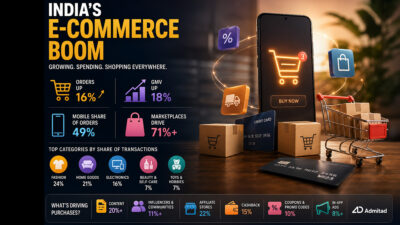
Users had no time to order from their computers during the festivities. The share of mobile orders in the country jumped from 48 per cent in July to a shocking 69 per cent during the holidays. Indians preferred to shop literally on the go, with a couple of clicks from their smartphone screen.
Mitgo managing director APAC & India Neha Kulwal “Last year, the share of mobile shopping was also higher than on ordinary days – at over 52 per cent. The trend of mobile shopping during festive periods is increasing every year – brands should definitely look at how they are engaging with mobile shoppers and offer them additional benefits during the festival season.”
Indians dressed up for the occasion
According to Admitad’s calculations, almost half of all holiday orders this year came from the fashion industry – users shopped for outfits, shoes and accessories. Other popular categories were beauty products (12.2 per cent of orders), electronics (9 per cent of orders), food delivery (4 per cent), aeroplane tickets (3 per cent) and hotel reservations (2.5 per cent).
The record-breaker in terms of order growth compared to the “ordinary” period in July was the category “Flowers and Gifts” – its online sales increased four times during Independence Day. The food delivery industry also experienced huge growth – Indian users ordered delivery as much as 46 per cent more often during the holidays. The travel industry was another leader, with Indian users booking hotels 20 per cent more frequently during the holidays.
Contextual advertising, cashback and media attracted customers
Brands were prepared for the holidays – this is evident in the sources from which customers came. For example, contextual advertising took the leading position in the number of attracted orders – it accounted for more than 25 per cent of all holiday online purchases. The marketers did a great job and were able to come up with ads that caught the eye of the Indian audience.
Local shoppers also actively read articles on content platforms and online media – these attracted more than 15 per cent of holiday orders. Influencers on Instagram, YouTube and Facebook lured more than seven per cent of customers. Another four per cent of customers placed an order on the recommendation of channels on Telegram.
Despite the holiday euphoria – Indians didn’t miss out on their gains. More than 13.6 per cent of orders were made using cashback. ten per cent of Indian shoppers used a discount coupon. Another four per cent of shoppers were tempted by lucrative loyalty programs.
Affiliate marketing was also among the most effective tools, with a 15 per cent increase in the number of brands incorporating it into their holiday marketing strategy in 2023. Publishers also didn’t miss out on the opportunity to make extra money during the hype days – their revenues in August were up more than five per cent compared to July.
Brands should definitely consider these insights as they prepare for an active fall season. Festival season, Black Friday and other large-scale events are ahead that are sure to attract millions of shoppers. But only those brands that make the right use of fresh trends will be able to win the battle for their attention.