MAM
Scroll beats the box as India’s media map gets a digital redraw


MUMBAI: India’s media habits are no longer channel surfing. They are screen hopping. And the latest numbers suggest the remote is slowly losing ground to the scroll. Kantar’s Media Compass Q3 2025 report paints a vivid picture of a country consuming content across more platforms, more formats and more screens than ever before. Built on a rolling sample of 87,000 consumers, the quarterly tracker offers advertisers a sharper read on reach, frequency and cross media behaviour at a time when planning certainty is in short supply.
The headline shift is digital only audiences. As of Q3 2025, 26 percent of Indians aged 15 plus or around 313 million people access the internet but do not watch linear television at all. That cohort has grown by 30 percent in just a year, up from 20 percent in 2024, with younger audiences and NCCS C and DE consumers leading the charge.
Television, meanwhile, is not disappearing but it is clearly evolving. Linear TV viewership dipped marginally from 705 million in Q1 2025 to 689 million in Q3. At the same time, dual screen behaviour is accelerating. Viewers watching both linear TV and connected TV rose to 116 million in Q3 2025, marking a 17 percent jump over Q1.
Perhaps the most striking signal comes from beyond the metros. Three in four digital only users now live in rural India, underlining how smartphones and mobile data are redrawing the media map. Rural audiences are also driving connected TV growth, accounting for 49 percent of incremental CTV viewers in the latest quarter.
Digital’s expanding footprint is also reshaping commerce discovery. The report notes that 43 percent of Indians browse online shopping platforms not just to buy, but to research, compare and hunt for deals. Retail media networks, once seen as performance only tools, are now influencing preferences much earlier in the funnel.
For brands, the implications are hard to ignore. Digital is closing the reach gap in geographies and cohorts that were once considered media dark, demanding more flexible plans that balance linear and digital in line with audience behaviour rather than habit. Rural strategies, the report suggests, need to be telecom first, with mobile led formats, vernacular creative and sharper targeting to unlock deeper engagement. Retail platforms, too, are emerging as storytelling spaces, not just checkout points.
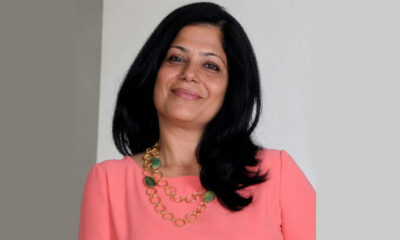
Commenting on the findings Kantar director of specialist businesses for South Asia Puneet Avasthi said the rise of 313 million digital only Indians signals a decisive shift in how content is consumed. With growth coming strongly from rural and younger segments, he noted, marketers need timely intelligence to plan effectively in an increasingly multi screen world.
In short, India’s media mix is no longer about choosing between TV and digital. It is about understanding how, when and where audiences move between them and planning fast enough to keep up.