MAM
Roadcast and TSL announce transformative logistics partnership in Vietnam

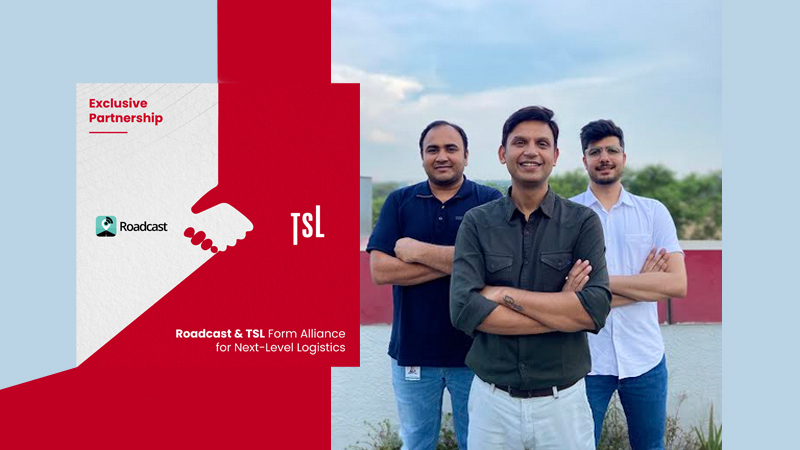
Mumbai: TSL, a leading logistics solutions partner in Vietnam in a groundbreaking collaboration with Roadcast, a technology-driven global logistics solutions provider based in India, will reshape the logistics landscape in Vietnam. United in purpose, this alliance aims to forge a dynamic logistics ecosystem in Vietnam.
With this alliance, the two giants of the logistics sector will bring state-of-the-art technology solutions to the forefront, promising heightened efficiency and transparency. The partnership will double real-time shipment visibility, optimize delivery networks, reduce transit times, and cut operational costs.
A primary focus of this partnership is to elevate the customer experience. Responsive support and tailored logistics solutions will be at the forefront of their efforts. Together, Roadcast and TSL aim to set new industry standards, providing a seamless and efficient logistics experience for their clients in Vietnam.
In addition to this, with a commitment to eco-friendly logistics practices, Roadcast and TSL will work together to reduce their carbon footprint. By exploring sustainable initiatives, they aim to lead the way towards a greener, more responsible logistics industry in Vietnam.
Roadcast co-founder Rahul Mehra, emphasises the transformative potential of this collaboration, “Our technology is designed to revolutionise logistics making it more efficient, streamlined, and advanced. Partnering with TSL allows us to expand our impact in Vietnam.” Roadcast co-founder Vishal Jain added, “By joining forces with TSL, we have a unique opportunity to implement and scale our revolutionary logistics solutions, benefiting both companies and the broader logistics industry in Vietnam.”
TSL, a well-established logistics and supply chain management company, brings a wealth of experience in transportation, warehousing, and distribution services. TSL CEO Huy Tran shared, “This partnership marks an exciting chapter for TSL. This collaboration represents a significant turning point for logistics in Vietnam and holds great promise and potential for their future. Together, we aim to exceed customer expectations and drive positive change in the Vietnamese logistics industry.