MAM
Reality bites: why consumers are fleeing into fantasy
Dentsu Creative’s report reveals a world exhausted by algorithms and exhilarated by escape


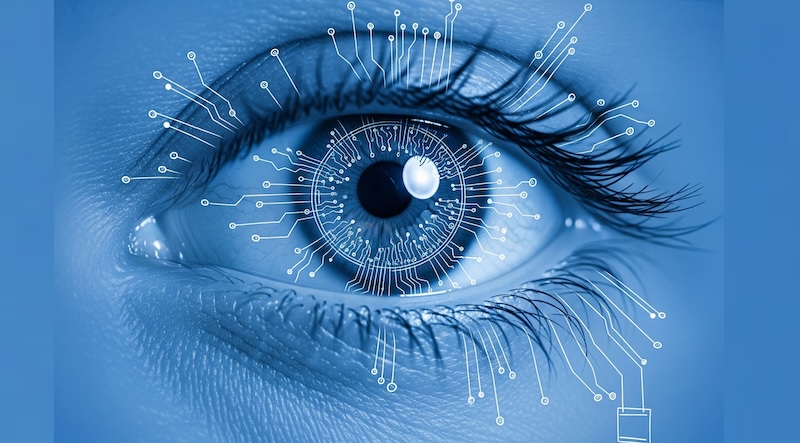
MUMBAI: The age of generative everything has left consumers feeling decidedly unregenerated. While 53 per cent of people now use AI in their daily lives—rising to 70 per cent among Gen Z—a curious counter-revolution is brewing. People are rationing their screen time, ditching algorithmic recommendations, and investing heavily in stuffed toys. Welcome to 2026.
dentsu Creative’s newly released trends report, Generative Realities, paints a portrait of humanity caught between digital acceleration and analog yearning. The research, which surveyed 4,500 consumers across seven markets including the US, UK, India, Spain, Brazil, China and Japan, suggests we’re simultaneously sprinting toward the future and scrambling back to the past.
The numbers tell a schizophrenic story. Some 32 per cent of respondents admit AI sometimes understands them better than friends and family. Yet 55 per cent are sick of algorithms serving up the same tedious content, and 40 per cent find the online world so stressful they’re actively switching off.
“We see a new balance emerging between acceleration and deceleration,” says dentsu clobal chief creative officer Yasu Sasaki. “People crave both the hyper-real and the handmade, the digital and the deeply human.”
Indian consumers are leading the charge on fandom, with 65 per cent identifying themselves through the communities they follow—the strongest such identity globally. Meanwhile, 70 per cent of consumers worldwide say modern life feels so stressful they need to escape, fuelling what the report calls Escape Velocity—a flight into fantasy, collectibles and the all-conquering power of cute.
The traditional is having its moment too. Three-quarters of consumers feel drawn to spending more time in nature, while 64 per cent are attracted to traditional values and ways of living. Fungi, fermentation and pickles are having their day, alongside silent book clubs, sober raves and “dumb” devices that don’t connect to anything.
“AI is evolving faster than any technology before it, but human creativity remains the constant,” notes dentsu Creative global president Abbey Klaassen. “The most successful brands in 2026 will be those that blend technological intelligence with emotional intelligence.”
For India specifically, dentsu Creative & Media Brands, chief executive officer for south Asia Amit Wadhwa sees opportunity in the collision. “The opportunity for brands in 2026 is to bring these two forces together—to use technology to scale what is deeply human, and to let India’s cultural diversity shape the next wave of creativity.”
dentsu Creative global chief strategy officer Pats McDonald who led the report’s development and served as Cannes Lions Creative Strategy jury president this year, insists there’s method in the apparent madness. “Some of those trends may seem frivolous or faddy at first glance—adult collectibles or daytime coffee raves—but speak to a profound human need for connection, comfort and community.”
The report identifies five macro themes: Escape Velocity (fantasy and fandom), Electric Dreams (AI intimacy), Trad Lives (nature and tradition), Alone Together (new forms of socialising), and Analog Futures (the rejection of digital sameness).
The message for brands? Stop assuming people want more of what algorithms think they want. In a world where 51 per cent now turn to AI for questions they’d previously ask friends and family, and 63 per cent spend vast amounts of time alone, the real innovation might just be helping people reconnect with texture, friction and each other.
After all, when the machines get too smart, humans get nostalgic. And right now, nostalgia is selling like handcrafted, fermented, hyperlocal hotcakes.