MAM
R Venkatasubramanian steps down as COO of Havas Play amid ongoing restructuring
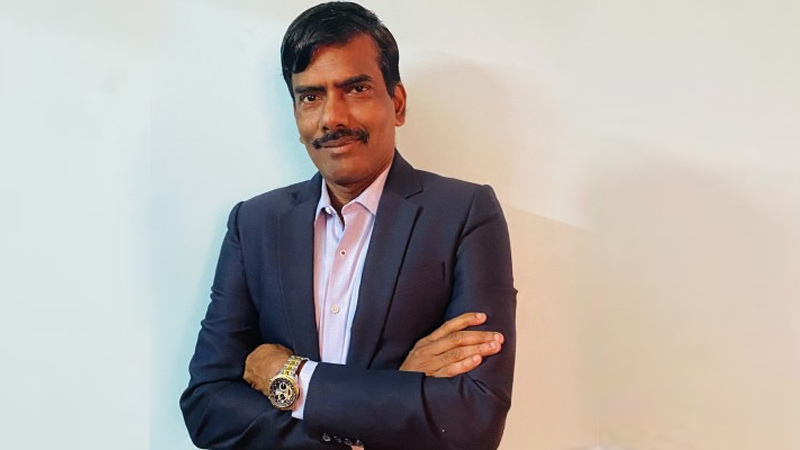
MUMBAI: In a significant development within the Indian media and entertainment ecosystem, R Venkatasubramanian has stepped down as the chief operating officer of Havas Play. His departure comes amid an ongoing internal restructuring at the agency, as confirmed by Havas Media Network India CEO Mohit Joshi.
“We are currently in the middle of a restructuring, but Venkat has decided to move on. I wish him all the best”, said Joshi in an official statement responding to the exit.
Venkatasubramanian’s association with Havas Media spanned over six years, during which he held multiple leadership roles including president – investments and Havas Play MD, and later elevated to COO of Havas Play in May 2024. Prior to this, he played key roles across Initiative Media, MPG, and Lintas Media Group, with a two-decade-long track record of building media investment strategies and driving business transformation.
His leadership tenure coincided with a period of rapid evolution at Havas Play, where the agency expanded its experiential, content, and sponsorship-led offerings. While the company has not named a successor, sources indicate that the restructuring may lead to a redefined leadership structure.
Venkatasubramanian’s departure adds to a string of high-level exits across India’s media-buying industry, as agencies increasingly reorient operations toward tech-first and performance-driven models.

Digital
India leads global adoption of ChatGPT Images 2.0 in first week
From anime avatars to fantasy covers, users turn AI visuals into culture
NEW DELHI: India has emerged as the largest user base for ChatGPT Images 2.0, just a week after its launch by OpenAI, underlining the country’s growing influence on global internet trends.
While the tool was introduced as an advanced image-generation upgrade within ChatGPT, Indian users are quickly reshaping its purpose. Instead of sticking to productivity-led use cases, many are embracing it as a creative playground for self-expression, storytelling and online identity.
From anime-style portraits and cinematic headshots to tarot-inspired visuals and fictional newspaper front pages, the model is being used to create highly stylised, shareable content. Features such as accurate text rendering, multilingual prompts and the ability to generate detailed visuals with minimal input have helped drive rapid adoption.
What sets the latest model apart is its ability to “think” through prompts, generating multiple outputs and adapting to context, including real-time web inputs. But the bigger story lies in how users are engaging with it.
In India, trends are already taking shape. Popular formats include dramatic studio-style lighting edits, LinkedIn-ready headshots, manga-inspired avatars, soft pastel “spring” aesthetics, AI-led fashion moodboards, paparazzi-style visuals and fantasy newspaper covers. Users are also restoring old photographs, creating tarot-style imagery and experimenting with futuristic design concepts.
Local flavour is adding another layer. Prompts such as cinematic portrait collages and Y2K-inspired romantic edits are gaining traction, blending global aesthetics with distinctly Indian internet culture.
The surge reflects a broader shift in how AI tools are being used in the country, moving beyond utility to creativity. As younger users, creators and social media enthusiasts experiment with new visual formats, AI-generated imagery is increasingly becoming part of everyday digital expression.
If early trends hold, ChatGPT Images 2.0 may not just be a tech upgrade but a cultural moment, giving millions a new visual language to play with online.