MAM
Piyush Pandey, the adman who gave Indian advertising its soul, passes away


MUMBAI: Piyush Pandey, the creative colossus who spoke to India in its own voice passed on on Friday aged 70. The man behind Fevicol’s unbreakable bond, Cadbury’s Kuch khaas hai and Asian Paints’ promise to colour every joy had been suffering from an infection. His funeral will be held on Saturday at Shivaji Park Crematorium in Mumbai.
For more than four decades at Ogilvy India, Pandey rewrote the rules of Indian advertising. He arrived in 1982 at 27, fresh from stints as a cricketer, tea taster and construction worker, and walked into a world dominated by English. His first assignment was a print ad for Sunlight Detergent. What followed was nothing short of a revolution.
Pandey didn’t just change the language of Indian advertising—he changed its grammar. He brought Hindi, colloquial idioms and the rhythms of everyday India into the mainstream. His campaigns for Fevicol, Cadbury, Hutch and Asian Paints became cultural touchstones, teaching a generation that the truest ideas are often the simplest. “Har khushi mein rang laaye” wasn’t just a tagline. It was philosophy.

Under his leadership, Ogilvy India held the top spot in Agency Reckoner, an independent survey by The Economic Times, for 12 years. In 2004, he became the first Asian jury president at the Cannes Lions International Festival of Creativity. In 2018, he and his brother, filmmaker Prasoon Pandey, became the first Asians to receive the Lion of St Mark, Cannes’ highest honour for lifetime achievement. In 2016, he was awarded the Padma Shri, the first Indian advertising professional to receive the honour.
Despite the accolades, Pandey remained disarmingly modest. A cricket lover to the end, he compared himself to a player in a team sport. “A Brian Lara can’t win for the West Indies alone,” he once said. “Then who am I?”
He had a simple credo: advertising must touch hearts before it wins awards. “No audience is going to see your work and say, ‘How did they do it?’” he said. “They will say, ‘I love it.’” He often warned young creatives against chasing technology at the expense of empathy, urging them to stay rooted in human experience.
Born in Jaipur to a family of nine children, Pandey grew up surrounded by creativity. His siblings include Prasoon and folk singer-actor Ila Arun. He lent his voice to radio jingles as a child. He also co-wrote the screenplay for Bhopal Express and penned the lyrics for Mile Sur Mera Tumhara, the song that became shorthand for Indian unity. He even acted, appearing in the 2013 film Madras Cafe.
His political work was equally memorable. In 2014, he crafted Ab ki baar, Modi sarkar, a slogan that helped sweep Narendra Modi to power. But his truest legacy lies not in politics, but in the stories and storytellers he nurtured.
Tributes poured in from across India. Prime Minister Modi called him “admired for his creativity”. Finance minister Nirmala Sitharaman described him as “a titan and legend” who “transformed communication”. Uday Kotak, founder of Kotak Mahindra Bank, remembered Pandey launching his bank in 2003 with a campaign describing banking as “common sense”. Filmmaker Hansal Mehta captured the mood best: “Fevicol ka jod toot gaya. The ad world lost its glue today.”
Pandey stepped down as executive chairman of Ogilvy India in 2023 to take on an advisory role. He is survived by his wife, Nita, his family and a creative community that continues to draw from his philosophy: that the best ideas are born not in boardrooms, but in the lives of ordinary people.
The man who turned commercials into memories has left the building. But his booming laugh, his trademark moustache and his stories—rooted in the street, in life, in listening—remain. India’s advertising soul just got a little quieter.







MAM
Ameya Velankar steps down as Uber’s head of marketing for India & South Asia
Veteran marketer exits after more than seven years with the ride-hailing giant.
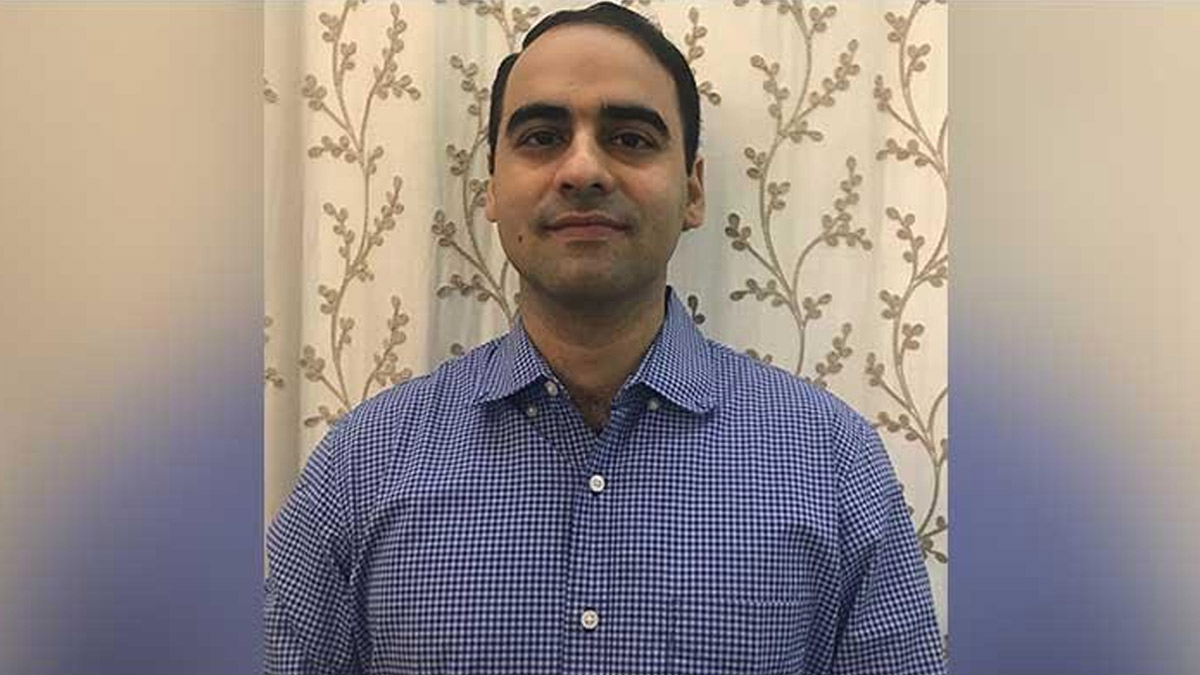
MUMBAI: After more than seven years of steering Uber through the bumpy roads of India’s mobility market, Ameya Velankar has decided to change lanes. Ameya Velankar has stepped down as Head of Marketing for India and South Asia, marking the end of a significant chapter at the ride-hailing company. He had been with Uber since 2019, taking on multiple roles in product and category marketing before rising to lead the marketing function for the region in 2021.
During his tenure, Velankar played a key role in strengthening Uber’s positioning in one of its most competitive and dynamic markets. He helped drive localised marketing strategies and scale adoption across key offerings such as Auto, Moto, Rentals and Intercity, tailoring global platforms to Indian consumer needs.
Prior to joining Uber, Velankar built his marketing expertise at leading consumer companies including SC Johnson and Marico, where he handled category and product leadership roles. His career began at RPG Enterprises.
Details of his next professional move have not been disclosed.
In a fast-evolving mobility landscape where brands constantly battle for attention, Ameya Velankar helped Uber stay relevant and resonant with millions of Indian users. As he moves on from the driver’s seat of marketing, the company will now look for fresh ideas to keep its wheels turning smoothly.






