Brands
P&G’s soap gets vertically dramatic


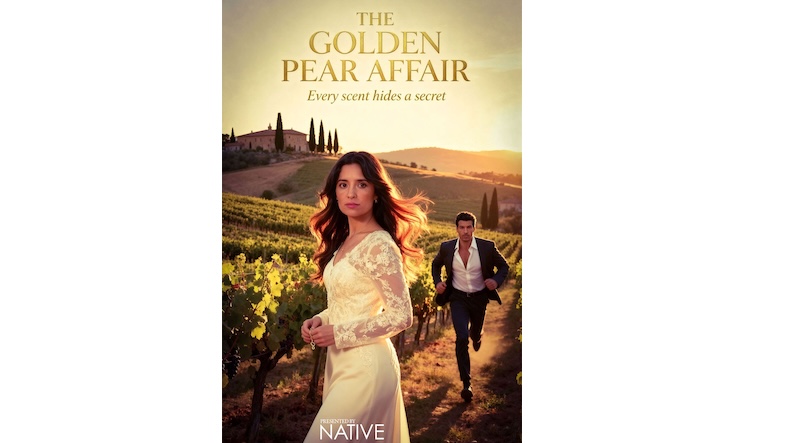
US: The soap opera, that hoary old format P&G helped pioneer nearly a century ago, is getting a makeover for the TikTok generation. And this time, it’s being shot vertically.
Native, P&G’s clean beauty brand, is launching The Golden Pear Affair—America’s first brand co-produced microsoap—in January. The 50-episode series, produced by Atlanta-based Pixie USA, reimagines sudsy melodrama for “swipe savvy audiences” who’d rather scroll than settle in for a proper television viewing session. Each episode delivers cliff-hangers and character arcs in bite-sized chunks, adding up to roughly feature-length entertainment—if you can be bothered to watch it all.
The trailer drops in January 2026, with the series rolling out across social platforms before migrating to a proprietary app. Starring Nick Ritacco and Aloyna Real—two microdrama actors with significant fan bases—the story promises “themes of self discovery, travel, adventure, love and recognising your own worth”. Translation: it’s soapy as hell, just faster.
The series is designed to flog Native’s limited-edition “Global Flavors” collection (available at nativecos.com and Target from late December), which features fragrances “inspired by locations from around the globe.” The scents supposedly inspired the plot, which whisks viewers on a “whirlwind romantic adventure”. One can only imagine the narrative gymnastics required to make deodorant central to a love story.
“This microsoap showcases our commitment to innovation as we strive to delight consumers while fuelling growth for Native,” says P&G Studios head Anna Saalfeld. The format, she insists, honours “the soap opera format P&G helped pioneer” whilst “optimising it for a vertical, social-first world.”
It’s a canny bet. Microdramas—vertical mini-series designed for mobile viewing—are projected to generate $11 billion in global revenue in 2025, with the US emerging as the largest market outside China. The format has evolved from niche curiosity to full-blown phenomenon in record time.
dentsu Entertainment, which shaped the project alongside P&G Studios and Pixie USA, is diving deeper into the space. Dentsu Ventures recently invested in Emole, a short drama app developer, signalling the agency’s commitment to “next-generation storytelling platforms”. dentsu global executive vice president of entertainment IP strategy and investment Geneva Wasserman calls Native “the gold standard in ambitious brand content” for “committing to short, intense production cycles.”
Pixie USA founder Jonas Barnes reckons microdramas are “the natural evolution of the soap opera”. His studio specialises in “premium, brand-friendly vertical storytelling”—Hollywood speak for getting products into plots without annoying viewers. The trick, he says, is making brands “embedded directly into the narrative” rather than awkwardly shoehorned in.
Native chief executive Chris Talbott is equally bullish. “Just like our scents take you on a journey around the world, without leaving your bathroom, this series follows characters on their own adventure of self-discovery and confidence,” he says. “We can’t wait for viewers to spot the fun nods to the collection woven throughout the storyline.”
Whether audiences will tolerate branded content masquerading as entertainment remains to be seen. But P&G isn’t taking chances: the company will track how long people watch, how many episodes they consume, and presumably whether they actually buy the deodorant.
For a brand that helped invent soap operas—literally named for the products they sold—this vertical gamble feels oddly fitting. The medium has changed. The pitch hasn’t. Just don’t call it selling out. Call it “entertainment-led marketing.”