
Digital
OpenAI defeats Elon Musk in blockbuster lawsuit over company’s profit shift
California jury throws out Musk’s claims as legal timing sinks AI courtroom clash


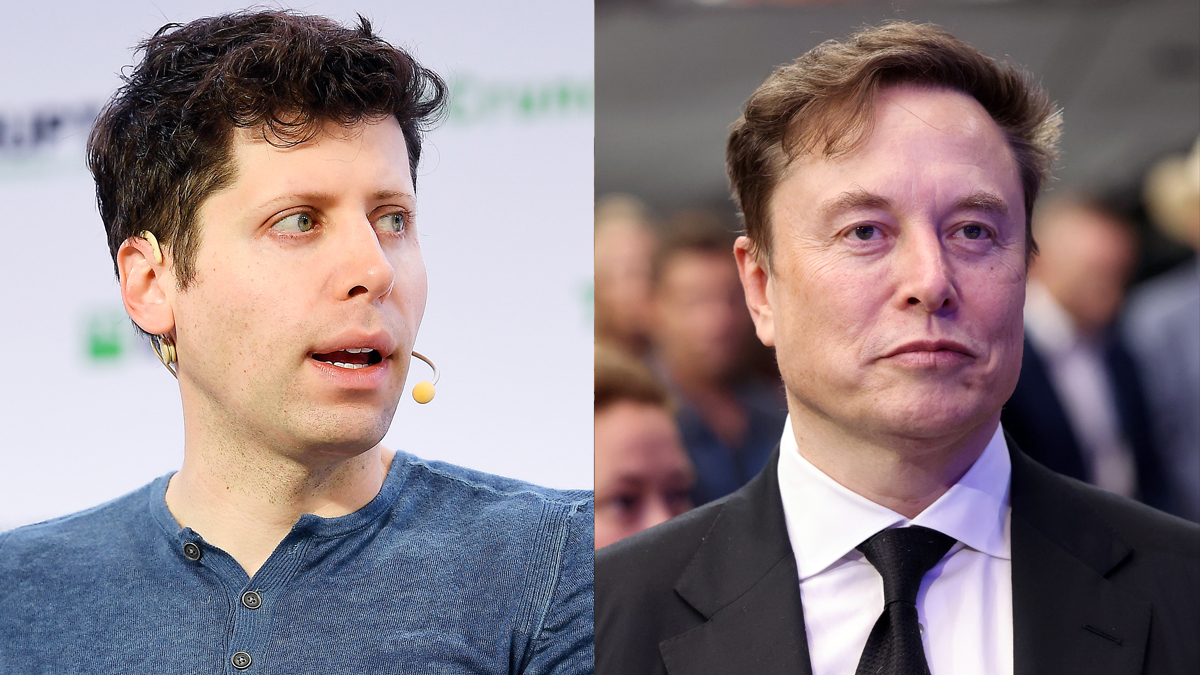
CALIFORNIA: A high-profile courtroom battle between Elon Musk and OpenAI ended in a decisive victory for the ChatGPT maker after a California federal jury dismissed all claims brought by the billionaire entrepreneur against the company he once helped create.
The case, heard over three weeks in Oakland, centred on Musk’s allegations that OpenAI had abandoned its founding mission as a nonprofit organisation dedicated to building artificial general intelligence for the benefit of humanity.
However, the nine-member jury rejected Musk’s lawsuit in less than two hours of deliberation, ruling unanimously that the claims were filed too late under California’s statute of limitations rules.
Federal judge Yvonne Gonzalez Rogers accepted the advisory verdict immediately and dismissed the case, saying there was substantial evidence supporting the finding that Musk had long been aware of OpenAI’s shift towards a commercial structure.
The ruling means Musk lost the case not on the broader philosophical debate around OpenAI’s transformation, but on a procedural issue tied to timing.
According to OpenAI’s legal team, Musk knew as early as 2021 that the company was transitioning towards a public-facing and profit-driven model. Since Musk filed the lawsuit only in 2024, the company argued he had missed California’s three-year legal window for bringing such claims.
Musk had accused OpenAI and its leadership of betraying what he described as a founding agreement established when the organisation launched in 2015.
At the heart of the lawsuit was Musk’s claim that he invested roughly $38 million into OpenAI under the understanding that it would remain a nonprofit research organisation focused on humanity-first AI development rather than commercial gain.
The lawsuit also targeted OpenAI’s growing relationship with Microsoft, with Musk arguing that the company had effectively become a closed-source, profit-oriented business operating in close alignment with the tech giant.
Musk sought damages estimated between $134 billion and $150 billion, demanded the removal of Sam Altman and Greg Brockman from leadership positions and pushed for the dismantling of OpenAI’s for-profit structure.
OpenAI’s defence was aggressive and deeply personal at times. Its lawyers argued there was never a formal written agreement guaranteeing permanent nonprofit status and described Musk’s legal challenge as commercially motivated rather than mission-driven.
The company also pointed to Musk’s own AI ambitions through xAI, the maker of chatbot Grok, suggesting the lawsuit was aimed at weakening a direct rival in the increasingly fierce AI race.
OpenAI further argued that Musk had unsuccessfully sought greater control over the organisation before leaving in 2018 and only turned hostile after those efforts failed.
The verdict removes one of the biggest legal overhangs facing OpenAI at a critical moment for the company. The AI firm, reportedly valued at around $852 billion, has been restructuring its business model and is widely expected to pursue a future public listing.
Industry observers say the ruling clears a major obstacle that could have complicated investor confidence and delayed any IPO ambitions.
For Musk, the loss is likely to sting not only because of the scale of the case but because it collapsed on procedural grounds rather than a substantive legal examination of OpenAI’s conduct.
Hours after the verdict, Musk took to X to criticise the ruling, reportedly calling the judge an “activist” and promising to appeal before the US Ninth Circuit Court of Appeals.
The legal fight may not be fully over yet, but for now OpenAI has walked away with the clearest win possible: the courtroom drama closed, the business intact and its AI ambitions still very much switched on.






