MAM
LinkedIn co-founder and venture capitalist Reid Hoffman quits Microsoft’s board to chase an AI dream
The LinkedIn co-founder ditches the boardroom for a drug-discovery start-up and leaves behind a tenure clouded by the Epstein affair


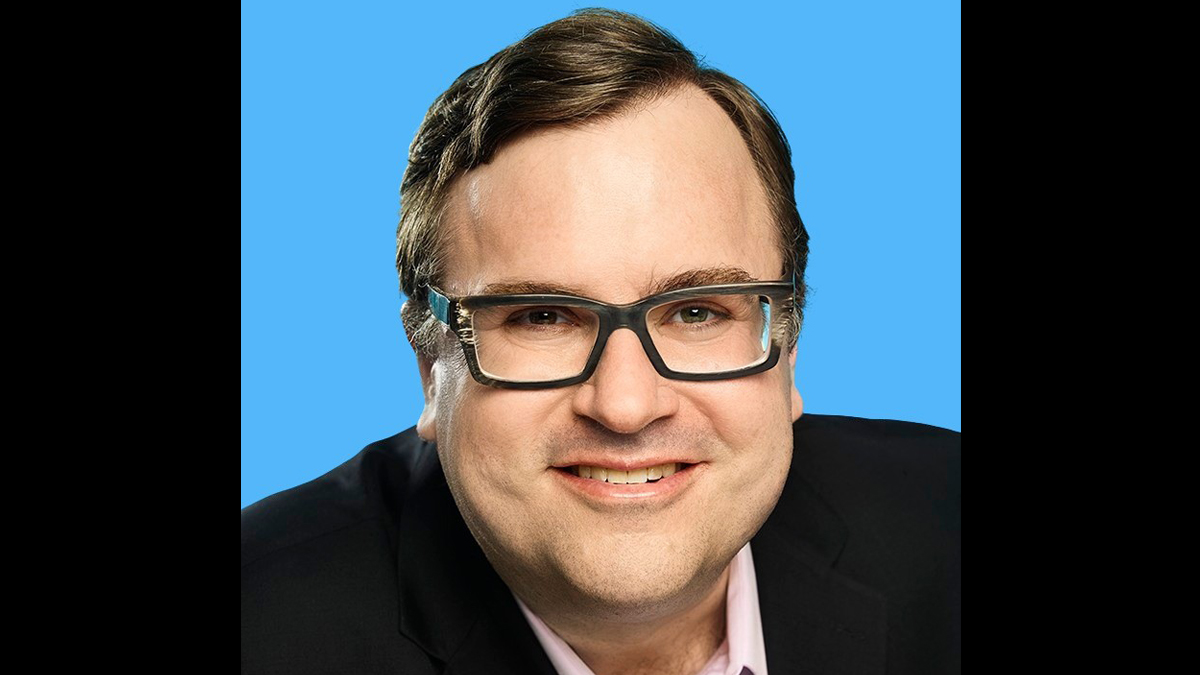
US: Reid Hoffman is a man in a hurry. The venture capitalist and LinkedIn co-founder has abruptly quit Microsoft’s board, declaring he needs to get back into “founder mode” to run Manas, his drug-discovery start-up. After nearly a decade as one of Silicon Valley’s most prominent ambassadors to the Redmond giant, Hoffman has traded the boardroom for the lab bench.
Hoffman broke the news in a video posted to his social-media accounts, filmed alongside Microsoft’s chief executive, Satya Nadella, in a display of amicable parting. “We’re seeing such progress with Manas,” Hoffman said, “I said, ‘Look, I think I need to get back to founder mode.'” It was, he added, “a huge honour and pleasure” to have served on the board.
He had joined the board in 2017, a consequence of Microsoft’s acquisition of LinkedIn, the professional networking site he co-founded in 2002. For years he played a pivotal role, acting as a conduit between Microsoft and the swarming AI companies of Silicon Valley. He sat on the board of OpenAI, a close Microsoft partner, and of Inflection AI, whose leadership Microsoft later snapped up to spearhead its own large language model push.
The departure, however, arrives trailing uncomfortable baggage. Earlier this year, documents released in connection with the Jeffrey Epstein case painted a picture of a closer relationship between Epstein and Hoffman than the latter had previously acknowledged. Hoffman had long insisted that his ties to the disgraced, late sex offender were confined to fundraising. Faced with the published documents, he told Bloomberg in March that Epstein’s victims deserved justice and that he welcomed efforts to expose wrongdoers. He subsequently stated that the FBI had cleared him of any wrongdoing, and no evidence in Justice Department documents implicated Hoffman in Epstein’s alleged crimes.
Hoffman remains a partner at Greylock, the storied venture capital firm, and shows no sign of retreating from the arena. With Manas, he is betting that artificial intelligence can accelerate the notoriously slow and costly business of drug discovery, a grand if uncertain wager from a man who has never lacked for ambition.
For Microsoft, the exit is tidily managed but not without consequence. Hoffman was a rare Silicon Valley native on the board, a networker of legendary repute who kept Redmond plugged into the frenetic world of AI start-ups. His seat will be harder to fill than it might appear.
Hoffman may be stepping out of the Microsoft boardroom with his reputation bruised but his ambitions intact. Whether Manas delivers the breakthrough he is betting on, or whether Silicon Valley’s most indefatigable networker eventually finds his way back to a boardroom somewhere, is a question only time will answer. One thing is certain: Hoffman does not do quiet exits.