MAM
Omnicom names DDB’s Aditya Kanthy CEO of Omnicom Advertising Services in India

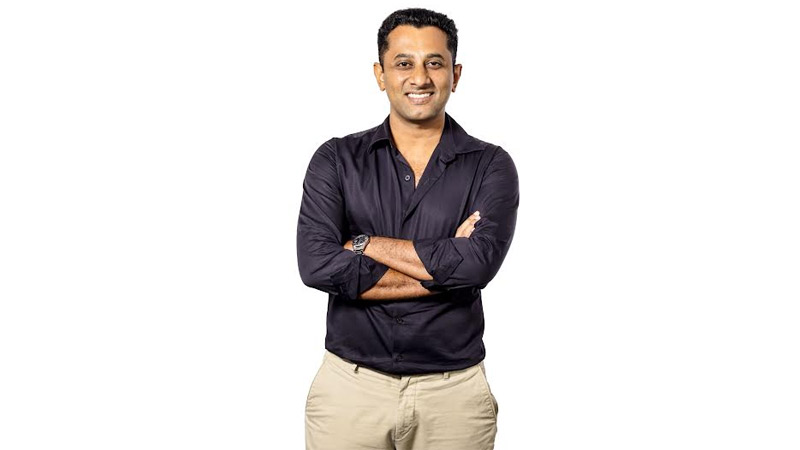
Mumbai: Omnicom chairman and CEO John Wren has named Aditya Kanthy as CEO of the newly formed Omnicom Advertising Services group in India. Kanthy will oversee Omnicom’s creative agencies in the region, focusing on talent, cross-agency collaboration, and innovation to drive growth in one of the company’s fastest-growing markets. The respective creative agencies within the group – DDB, BBDO and TBWA – will maintain their current branding in the Indian market.
Omnicom Advertising Services will bring together the power of Omnicom to provide exceptional integrated solutions to meet the needs of clients in India. The group will capitalize on the top talent housed within its leading networks and work in partnership with other Omnicom agencies, such as Omnicom Media Group, to further strengthen Omnicom’s comprehensive offering in India. Omnicom recently announced the creation of large global capability centers with four campuses out of Bangalore, Hyderabad, Chennai, and Gurgaon.
“This year India will become the most populous nation on the planet. It is an important growth engine for Omnicom. By centralizing the leadership of three creative powerhouses under Aditya, we will continue to build on our agencies’ strong foundations to deliver a wider breadth of capability and scale for our clients,” said Omnicom chairman and CEO John Wren. “Aditya brings deep experience to the newly created Omnicom Advertising Services, and our India operations is primed to thrive under his leadership.”

Kanthy, currently CEO of DDB Mudra Group, began his career in Mudra in 2003 as a strategic planner, taking on various responsibilities over the years including Chief Strategy Officer, a role in which he helped shape India’s most successful independent advertising agency into an Omnicom-owned integrated marketing communications group. As the new leader of Omnicom Advertising Services India, he will further strengthen Omnicom’s presence and ensure all of our capabilities are extended to our top clients.
Speaking about this development, Aditya Kanthy said, “Omnicom is the most creative global network in the world. Our agencies represent the enduring power of creativity to build brands and businesses. I look forward to bringing the might of the Omnicom network to clients in India and continue to attract the best creative talent in one of the most exciting markets in the world.”







MAM
Kalyan Jewellers launches Nimah Collection campaign
New temple-inspired jewellery range stars Sreeleela and Kalyani Priyadarshan.

MUMBAI: Kalyan Jewellers has given temple jewellery a cinematic glow-up and this time, it’s sparkling with star power and storytelling. The leading jewellery brand has unveiled a new campaign for its Nimah Collection, directed by acclaimed filmmaker Priyadarshan and featuring brand ambassadors Sreeleela and Kalyani Priyadarshan. Built around the powerful idea of “A Legacy You Wear”, the campaign presents a cinematic celebration of India’s rich temple jewellery traditions, positioning them as timeless expressions of identity, strength, and artistry.
The film brings mythology and classical performance together in a fresh narrative. Sreeleela’s character embodies strength and discipline, moving from archery to classical dance, with bold temple jewellery accentuating her power. In contrast, Kalyani Priyadarshan’s portrayal explores introspection and creativity through music and writing, highlighted by finer detailing and understated elegance. Together, the two personas showcase the Nimah collection as heritage jewellery that remains relevant across generations.
The Nimah range draws inspiration from South Indian temple jewellery and features intricate Nakashi (hand-carved) work. It includes statement bridal necklaces and haarams, temple-inspired chokers, earrings, jhumkas, rings, and chains perfect for both bridal and festive occasions.
Every piece in the collection comes with Kalyan Jewellers’ trusted 4-Level Assurance Certificate, guaranteeing purity, free lifetime maintenance, and transparent buy-back policies.
The campaign is now live across digital platforms, and the Nimah collection is available at Kalyan Jewellers showrooms nationwide.
In a market often crowded with glitter, Kalyan Jewellers has chosen to shine through meaningful storytelling. With “A Legacy You Wear,” the brand reminds us that the most beautiful jewellery doesn’t just adorn, it carries stories, culture, and timeless elegance forward.






