MAM
Ogilvy unveils new campaign ‘Pulsar unleashing its Mania’ for Bajaj Pulsar

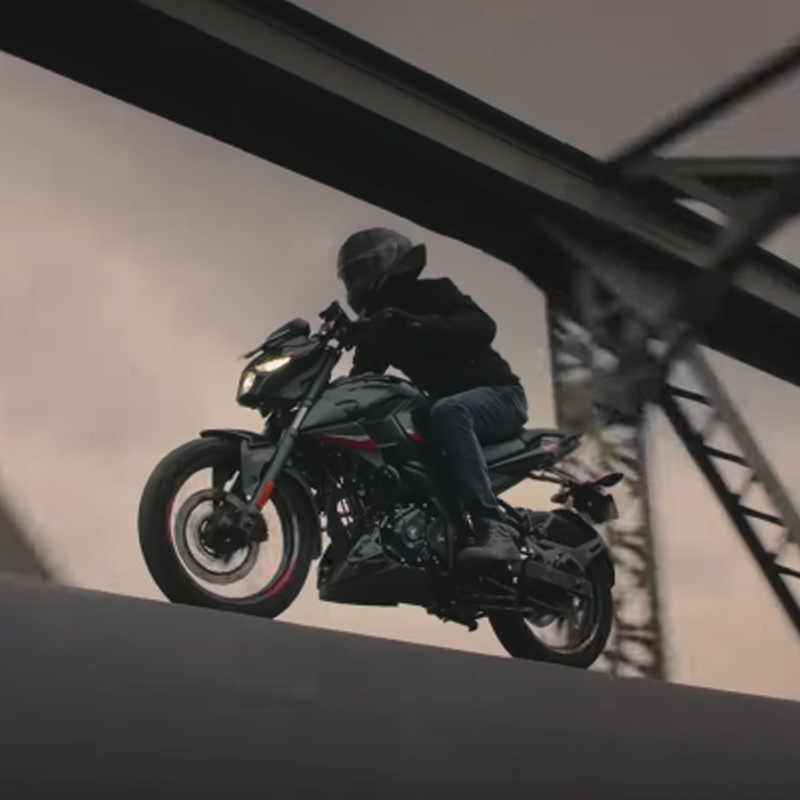
Mumbai: Bajaj Pulsar has launched its latest motorcycle, the Pulsar N160, with the most sedate advertisement on television.
The ad is an extremely clever way of getting a nod of approval from audiences, who often sat up and took note of “Pulsar unleashing its Mania” on national television.
In all its glory, and absolutely unlike the Pulsar advertising of two decades ago, this video showcased a stationary motorcycle. The intrigue comes from one clear instruction: scan the QR code on screen to watch the most thrilling Pulsar video ever!

The QR takes the viewer to YouTube, where the real advertisement will be played for the true enthusiast. The rider is seen on the all-new Pulsar N160, displaying breath-taking riding control while performing jaw-dropping stunts set in a city maze, all happening to the beats of an addictive music track.
Furthermore, this QR code has been seen all over many Indian cities and towns—in public spaces, public transport, youth-centric spaces, from college notice boards to cafes and so on. Essentially, branding the most mundane and boring pieces of our day as opportunities to become the most thrilling moments of the day.
Speaking on the campaign and how they were convinced that this is “the” way, Bajaj Auto head of marketing Narayan Sundararaman said, “Brand Pulsar is all about action and thrill. For its new avatar as the Pulsar N160, we had to deliver a communication package that would talk about the category-first feature of Dual Channel ABS. In this cluttered media environment, we thought our best chance would be to involve the viewer and nudge them towards a thrilling film… Do they want to watch an ‘uncensored’ ad of eye-popping motorcycle action? It’s great to see that the answer is a resounding yes!”
Speaking on the collaboration with Bajaj, Ogilvy chief creative officer Sukesh Nayak said, “Pulsar is the most thrilling motorcycle on the road, so we took its communication a notch higher on thrill. How? We got their attention twice! We made an ad in an ad. First, we made a censored Pulsar ad for TV and released it with a QR code. The film invites die-hard Pulsar fans to scan and watch the most exciting ‘Uncensored Pulsar ad’ of all time. The ‘Uncensored Pulsar QR code’ will make not just the TV ad but every ad thrilling – newspaper, outdoor, and even posters. Let the thrill take over.”







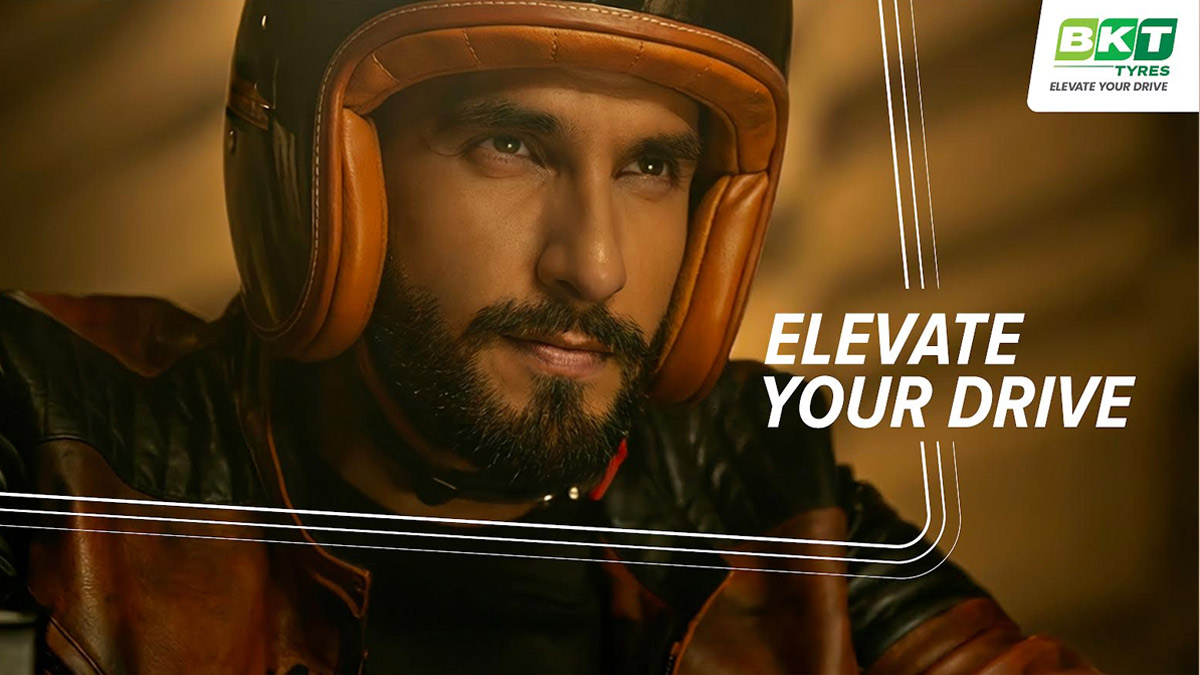
MUMBAI: BKT Tyres has decided to roll into the two-wheeler world with some serious jurrat and it’s brought Ranveer Singh along for the ride. The off-highway tyre specialist has unveiled its new campaign, ‘Jurrat’, marking a strategic push into India’s massive two-wheeler segment. The high-energy TV commercial, featuring brand ambassador Ranveer Singh, debuted on 3 April 2026 during the Indian Men’s T20 League 2026.
The campaign revolves around the core belief that true confidence on the road comes from dependable performance beneath you. ‘Jurrat’ (meaning courage) captures the mindset of riders who navigate dynamic and often unpredictable daily commutes with determination. It brings BKT Tyres’ brand philosophy ‘Elevate Your Drive’ into the two-wheeler space by spotlighting three key product benefits: long life, exceptional road grip, and unmatched comfort.
BKT Tyres chief marketing officer for India Mahesh Koppad said, “India’s two-wheeler segment reflects the way the country moves, works, and progresses every day. ‘Jurrat’ highlights how performance-led tyres, engineered for long life, comfort, and grip, enhance the overall riding experience and support uninterrupted progress in everyday life.”
The campaign is being rolled out across television and digital platforms with high-impact placements to ensure maximum reach and engagement.
This launch represents BKT Tyres’ calibrated expansion from its stronghold in off-highway tyres to becoming a more holistic mobility brand, addressing the everyday transportation needs of millions of Indian riders who rely on motorcycles and scooters as their primary mode of transport.
In a segment where confidence is everything, BKT Tyres is betting that a combination of bold celebrity appeal and strong product performance will help it gain serious traction on Indian roads. The campaign signals that the company is ready to move beyond its traditional turf and accelerate in the fast-paced two-wheeler market.






