MAM
Neil French, ad world trailblazer, dies at 81


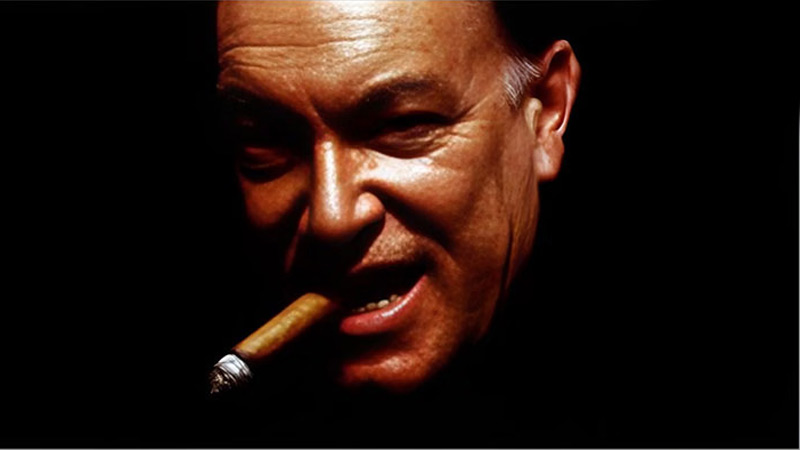
MUMBAI: He lived life like one long headline: punchy, sharp and impossible to ignore. Neil French, the flamboyant British copywriter who rewrote the rules of Asian advertising and scandalised it in equal measure, has died in Majorca at 81.

French had been grappling with serious health issues, including back operations, a stroke and heart problems. His adopted son, Daniel, brought him home from hospital shortly before his passing.
Born in Birmingham in 1944, French’s journey to creative stardom was as unruly as his prose. Before entering advertising, he tried his hand at bullfighting, debt collecting and even managing heavy metal band Judas Priest. The only predictable thing about him was unpredictability.

His creative renaissance began in Singapore in the late 1970s, where stints at Ogilvy and Mather, Batey Ads and The Ball Partnership turned him into a regional powerhouse. His minimalist, long-copy ads won more than 500 awards and sparked a generation of imitators. His celebrated 1987 Chivas Regal ad, featuring an unlabelled bottle paired with the sly line “If you don’t recognise it, you’re probably not ready for it”, remains a masterclass in confidence.
Then came the 1993 XO Beer stunt, an April Fool’s prank so convincing that Singaporeans tried ordering a beer that did not exist. The fake ad swept awards and became agency folklore, proof of French’s belief that print could still cause a riot.
By the mid-1990s he was Ogilvy’s regional creative director for Asia, later becoming its worldwide creative director. In 2003 he took the same role at WPP, guiding creative output across some of the industry’s most influential networks.

Controversy followed him like a shadow. He resigned from WPP in 2005 after remarks about women in advertising sparked global backlash. He also staunchly defended the use of “scam ads” created mainly for awards, arguing they were pure creativity, a stance that split the industry down the middle.
Still, his champions were legion. Many credit him with lifting Asian advertising onto the global stage, teaching creatives to demand better briefs and better work. Tributes poured in as news of his passing spread. Jim Aitchison said French “put Singapore and Asian ads on the international map”. David Nobay called him a “punk” who reinvented copywriting. Barbara Levy remembered him as “a friend beyond advertising”. Others hailed him as a giant, a teacher, a troublemaker and a storyteller.
On social media, tributes captured his essence. Copywriter Derek Walker recalled French’s cardinal rule: people will read a long copy if it is interesting. Dominic Savio urged creatives to “think harder, write better, never compromise”. Anantha Narayan added a poetic farewell: “Neil French gone. The cigar turns to ashes.”

French’s memoir, Sorry for the Lobsters, and the World Press Awards, which he co-founded in 2006, remain part of his legacy. So do the countless creatives who cite him as an influence.
Survived by his son Daniel, French leaves behind a trail of bold ideas, bigger stories and a blueprint for copywriting that will echo for decades. His legend, much like his lines, refuses to fade.