MAM
Media maven climbs the ladder at Essence Mediacom

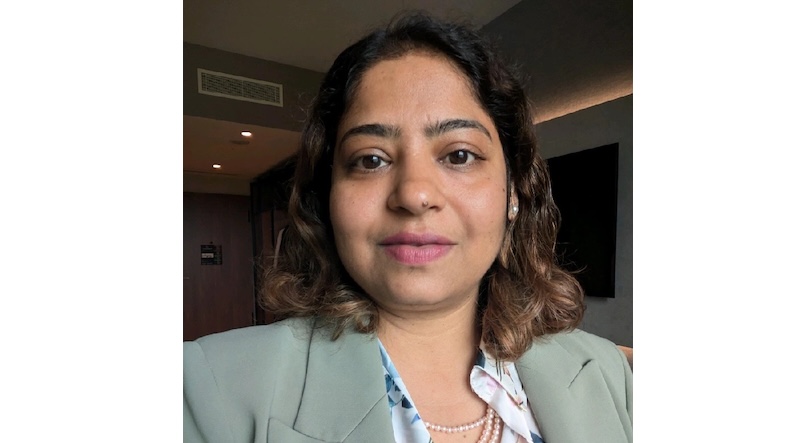
MUMBAI: Averill Sequeira has landed the plum job of chief strategy officer at Essencemediacom, the WPP Media brand, marking another step up the corporate hierarchy for the seasoned media strategist. The appointment, which began in July, caps a career spanning over 20 years in India’s bustling advertising and media planning sector.
Sequeira’s ascent through the ranks reads like a textbook case of steady professional progression. Her journey began modestly in 2004 as a media planner at Madison Communications, before moving to Lodestar Universal where she cut her teeth on communication planning and media tools development.
The real acceleration came during her lengthy stint at Mindshare, GroupM’s media agency, where she spent nearly six years climbing from senior director of business planning to principal partner for strategy. Her remit there included managing strategic units, delivering marketing solutions, and shepherding blue-chip clients like PepsiCo through the digital transformation.

A brief entrepreneurial detour saw her founding TranSkills India, a skills development venture, in 2013—though the appeal of agency life proved too strong to resist for long. She returned to the media fold at Cheil India as general manager of planning, before joining EssenceMediacom India in 2021.
At EssenceMediacom, Sequeira has worn multiple hats, serving first as chief product officer and later as head of creative futures, before her latest promotion to the top strategy role. Her expertise spans customer insight, creative problem-solving, and marketing communications—skills that will prove essential as media agencies grapple with an increasingly fragmented advertising landscape.
The appointment signals WPP Media’s confidence in homegrown talent, particularly as multinational agencies face pressure to localise their leadership teams across key markets like India.







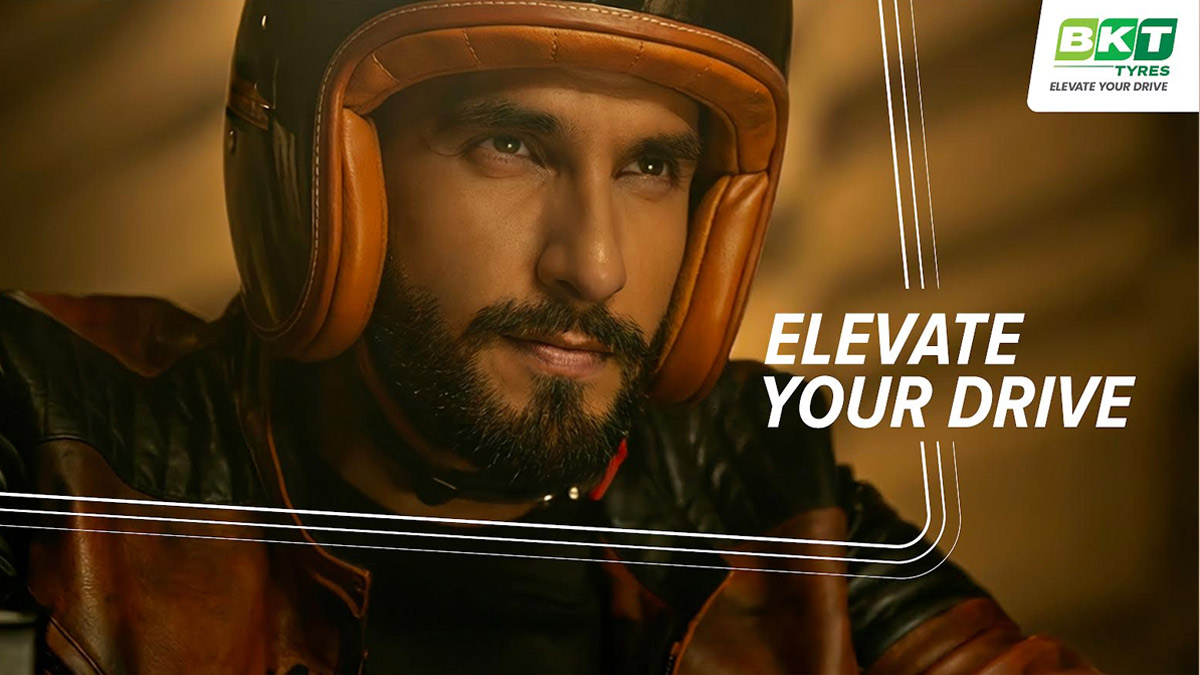
MUMBAI: BKT Tyres has decided to roll into the two-wheeler world with some serious jurrat and it’s brought Ranveer Singh along for the ride. The off-highway tyre specialist has unveiled its new campaign, ‘Jurrat’, marking a strategic push into India’s massive two-wheeler segment. The high-energy TV commercial, featuring brand ambassador Ranveer Singh, debuted on 3 April 2026 during the Indian Men’s T20 League 2026.
The campaign revolves around the core belief that true confidence on the road comes from dependable performance beneath you. ‘Jurrat’ (meaning courage) captures the mindset of riders who navigate dynamic and often unpredictable daily commutes with determination. It brings BKT Tyres’ brand philosophy ‘Elevate Your Drive’ into the two-wheeler space by spotlighting three key product benefits: long life, exceptional road grip, and unmatched comfort.
BKT Tyres chief marketing officer for India Mahesh Koppad said, “India’s two-wheeler segment reflects the way the country moves, works, and progresses every day. ‘Jurrat’ highlights how performance-led tyres, engineered for long life, comfort, and grip, enhance the overall riding experience and support uninterrupted progress in everyday life.”
The campaign is being rolled out across television and digital platforms with high-impact placements to ensure maximum reach and engagement.
This launch represents BKT Tyres’ calibrated expansion from its stronghold in off-highway tyres to becoming a more holistic mobility brand, addressing the everyday transportation needs of millions of Indian riders who rely on motorcycles and scooters as their primary mode of transport.
In a segment where confidence is everything, BKT Tyres is betting that a combination of bold celebrity appeal and strong product performance will help it gain serious traction on Indian roads. The campaign signals that the company is ready to move beyond its traditional turf and accelerate in the fast-paced two-wheeler market.






