MAM
Mad Over Donuts celebrates and unveils paintings by Atypical Advantage artists across stores
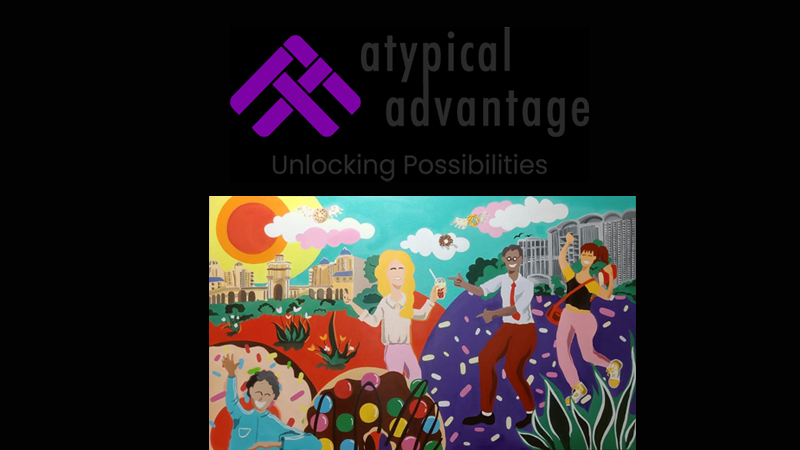
Mumbai: Mad Over Donuts has taken a remarkable step towards inclusivity and empowerment. In a heartwarming collaboration with Atypical Advantage, the country’s largest inclusive platform dedicated to generating livelihoods for differently-abled people, the gourmet Donut brand has commissioned captivating paintings for its Powai and Colaba stores.
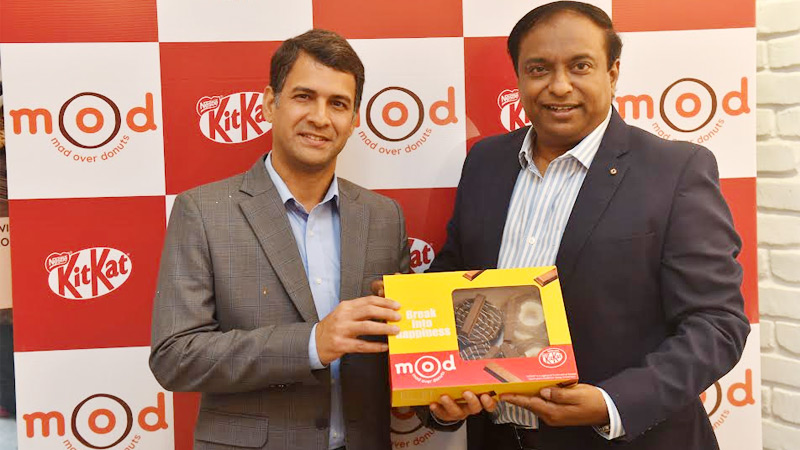
Mad Over Donuts CEO Tarak Bhattacharya and Atypical Advantage CEO Vineet Sariawala proudly unveiled the painting with Shreya Gupta, the artist, at the Powai store. The beautiful pieces of art tell compelling stories through their vivid colours and intricate details. They enhance Mad Over Donuts’ fun, happy and cosy aesthetic, creating a warm and welcoming ambience in both stores.
Shreya Gupta, the talented artist with a hearing impairment, has earned degrees in Fine Arts and Visual Arts and has received awards for her creative paintings. Mad Over Donuts is partnering with Atypical Advantage to showcase artists like Shreya and promote diversity and inclusivity. With these paintings, the brand hopes to provide a platform for artists from Atypical Advantage to showcase their talents to a broader audience.
Expressing his gratitude during the event, Tarak Bhattacharya, executive director and CEO of Mad Over Donuts, stated, “We are truly honoured to join hands with Atypical Advantage for this remarkable project. These lovely paintings symbolise our shared dedication to inclusiveness. We firmly believe that everyone deserves an opportunity to flourish, and these exquisite pieces of art serve as an enduring testament to the talent and unwavering resilience that exists within our community. We are grateful and so appreciative of the artists for their remarkable work!”
Mad Over Donuts invites customers to visit their Powai and Colaba stores to witness these exceptional paintings while biting into happiness.

Brands
Hyundai and TVS Motor partner to develop electric three wheelers
Joint development pact targets last mile mobility with localisation push
MUMBAI: Three wheels, one big ambition and a charge towards the future. Hyundai Motor Company and TVS Motor Company have signed a joint development agreement to co-create electric three-wheelers (E3Ws), aiming to crack India’s complex last-mile mobility puzzle. The collaboration moves beyond concept talk into execution mode, building on the E3W prototype first showcased at the Bharat Mobility Global Expo 2025. The goal now is clear, design, develop and commercialise a purpose-built vehicle tailored to Indian roads, riders and realities.
Under the agreement, Hyundai will lead design and co-development, bringing its global R&D muscle and human-centric engineering approach to the table. TVS Motor, meanwhile, will anchor the product on its electric platform, leveraging deep three-wheeler expertise and local market insight. It will also handle manufacturing and sales in India, with an eye on exports down the line.
The timing is strategic. India remains the world’s largest three-wheeler market, where affordability, durability and adaptability often outweigh sheer innovation. The upcoming E3W aims to strike that balance combining advanced technology with practical features such as adaptive ground clearance for monsoon-hit roads, improved thermal management for tropical climates, and flexible interiors suited for passengers, cargo or emergency use.
A key pillar of the partnership is localisation. Major components will be sourced and manufactured within India, a move expected to strengthen the domestic supply chain, create jobs, lower costs and improve after-sales support.
The shift from prototype to production will involve rigorous testing, certification and refinement to meet regulatory standards and consumer expectations. Dedicated cross-functional teams from both companies are already in place to accelerate timelines.
At a broader level, the tie-up reflects a growing trend in mobility, global players partnering with local specialists to navigate emerging markets. For Hyundai and TVS, the bet is that combining scale with street-level insight could unlock a new chapter in sustainable urban transport, one that runs not just on electricity, but on relevance.