MAM
Atypical Advantage empowers 200 plus disabled artists with Rs 1 cr livelihood

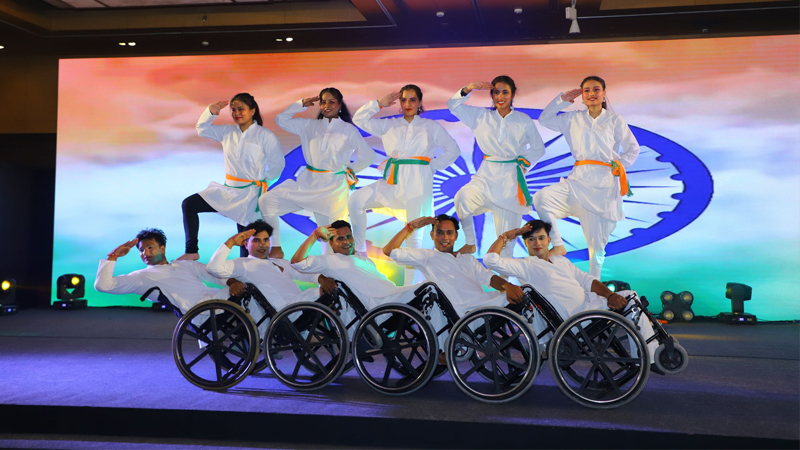
Mumbai: In a remarkable step towards inclusivity and empowerment, Atypical Advantage, India’s leading livelihood platform for people with disabilities, celebrates a significant milestone. Over 200 artists with disabilities have collectively earned more than Rs 1 crore through collaborations between Atypical and various brands across India.
More than 250 plus brands including Nestle, Accenture, Godrej, Amazon, Tata Power, Adani, Pepperfry, Dell Technologies, Tata Steel, Mad Over Donuts, and others have partnered with Atypical Advantage to educate and entertain their millions of employees while providing a platform to help artists with disabilities be self-sufficient and earn a dignified income.
Over the past three years, this initiative has provided livelihood opportunities across various sectors, spanning singing, dancing, stand-up comedy, motivational speaking, visual arts, as well as freelance services like voiceover, content writing, and photography. Artists who have benefited from these opportunities are from all across the country and encompass a diverse range of disabilities such as visual disability, down syndrome, hearing impairment, and more.
Varun Naren, an artist from Mumbai with autism spectrum disorder, has earned nearly Rs. 2,70,000 through artwork sales and corporate doodling sessions. He said, ‘My artistic journey has been incredibly fulfilling, and teaching doodling at corporate events has allowed me to share my passion and be financially independent.’ Another artist with autism spectrum, Karthik Krishnamurthy, a renowned singer based in Chennai, has earned close to Rs. 85,000 from the platform with a series of shows, including Sa Re Ga Ma Pa, where he was a finalist.
Atypical Advantage founder & CEO Vineet Saraiwala stated, “As a visually impaired individual myself, I understand the importance of livelihood. We are thankful to our partnered brands and by 2030, we aim to positively impact the livelihood of over 1000 artists with disabilities and generate earnings exceeding 15 crore”.
Popular brand Arvind Ltd’s ‘Fashion for All’ campaign, Nestle’s #MotherhoodMadeMemorable campaign where artists with disabilities created hampers for maternity break mothers, inclusive brunches with performances by artists with disabilities across 6 Leela Properties and 11 Lalit Properties in December 2023, Mad Over Donuts’ artwork exhibition by disabled artists in their selected stores, Pepperfry’s promotion of digital art created by artists with disabilities in 43 stores across 10 plus cities, Tata Power’s sports carnival showcasing Mallakhamb performances by disabled individuals along with simulation games for employee sensitisation, and other notable initiatives have contributed significantly towards livelihood generation and awareness-raising.