MAM
LG astronaut becomes the most watched ad in India this year
MUMBAI: YouTube has released its annual year-end edition of the YouTube Ads Leaderboard 2017 capturing the most celebrated ads that received maximum views, shares, and love from audiences across India. Together, the top 10 ads generated a whopping 200 million views. While each of the ad stood out for its own unique story, some of the common themes this year were festive and emotionally engaging content.
Additionally, 2017 Leaderboard saw a mix of long format and short format ads hitting the right chord with the audience and pointing to YouTube’s ability to adapt to all storytelling formats.
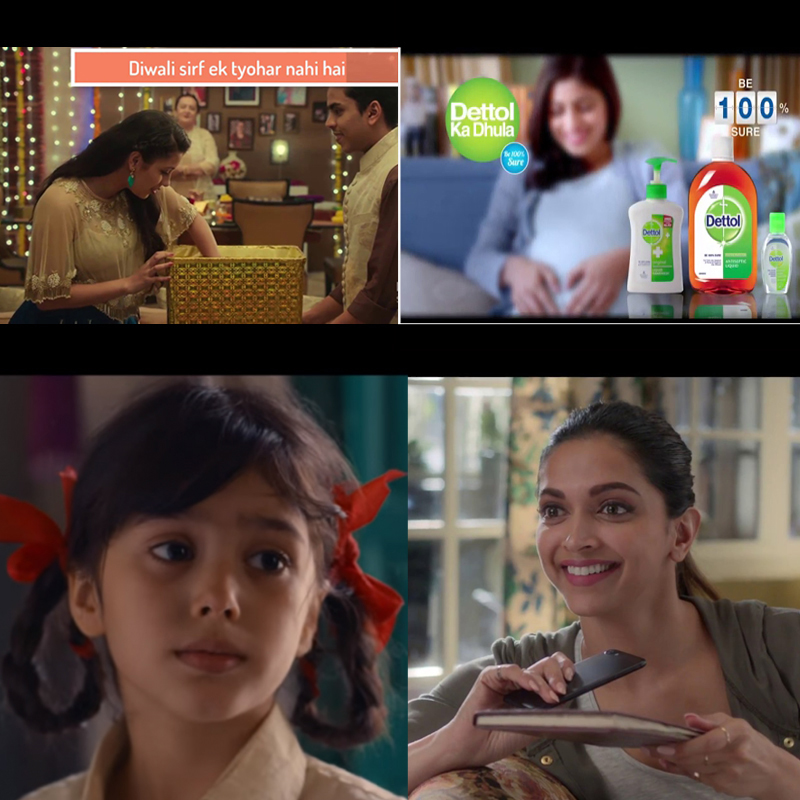
The number one spot on the list was by LG, with more than 100 million views, celebrated its 20th anniversary in India, showcasing a mother daughter video with a delightful message that touched the heart of billions of customers. Deepika Padukone continues to be the favourite with her Goibibo ad garnering close 20 million views and taking the second spot. Following close on the heels was Dettol’s MaaMaane Dettol ka Dhula talking about the importance of health and hygiene.
Here are the YouTube Ads Leaderboard 2017 Top 10 ads:
1. LG
2. Goibibo
3. Dettol India
4. Panasonic Smartphones
5. Amazon India
6. Gionee India
7. Sunfeast Yippee!
8. Center Fresh India
9. Airtel India
10. Bingo!

Digital
India leads global adoption of ChatGPT Images 2.0 in first week
From anime avatars to fantasy covers, users turn AI visuals into culture
NEW DELHI: India has emerged as the largest user base for ChatGPT Images 2.0, just a week after its launch by OpenAI, underlining the country’s growing influence on global internet trends.
While the tool was introduced as an advanced image-generation upgrade within ChatGPT, Indian users are quickly reshaping its purpose. Instead of sticking to productivity-led use cases, many are embracing it as a creative playground for self-expression, storytelling and online identity.
From anime-style portraits and cinematic headshots to tarot-inspired visuals and fictional newspaper front pages, the model is being used to create highly stylised, shareable content. Features such as accurate text rendering, multilingual prompts and the ability to generate detailed visuals with minimal input have helped drive rapid adoption.
What sets the latest model apart is its ability to “think” through prompts, generating multiple outputs and adapting to context, including real-time web inputs. But the bigger story lies in how users are engaging with it.
In India, trends are already taking shape. Popular formats include dramatic studio-style lighting edits, LinkedIn-ready headshots, manga-inspired avatars, soft pastel “spring” aesthetics, AI-led fashion moodboards, paparazzi-style visuals and fantasy newspaper covers. Users are also restoring old photographs, creating tarot-style imagery and experimenting with futuristic design concepts.
Local flavour is adding another layer. Prompts such as cinematic portrait collages and Y2K-inspired romantic edits are gaining traction, blending global aesthetics with distinctly Indian internet culture.
The surge reflects a broader shift in how AI tools are being used in the country, moving beyond utility to creativity. As younger users, creators and social media enthusiasts experiment with new visual formats, AI-generated imagery is increasingly becoming part of everyday digital expression.
If early trends hold, ChatGPT Images 2.0 may not just be a tech upgrade but a cultural moment, giving millions a new visual language to play with online.