MAM
lDBF 2022: Content marketing to become an extremely powerful tool for brands in future

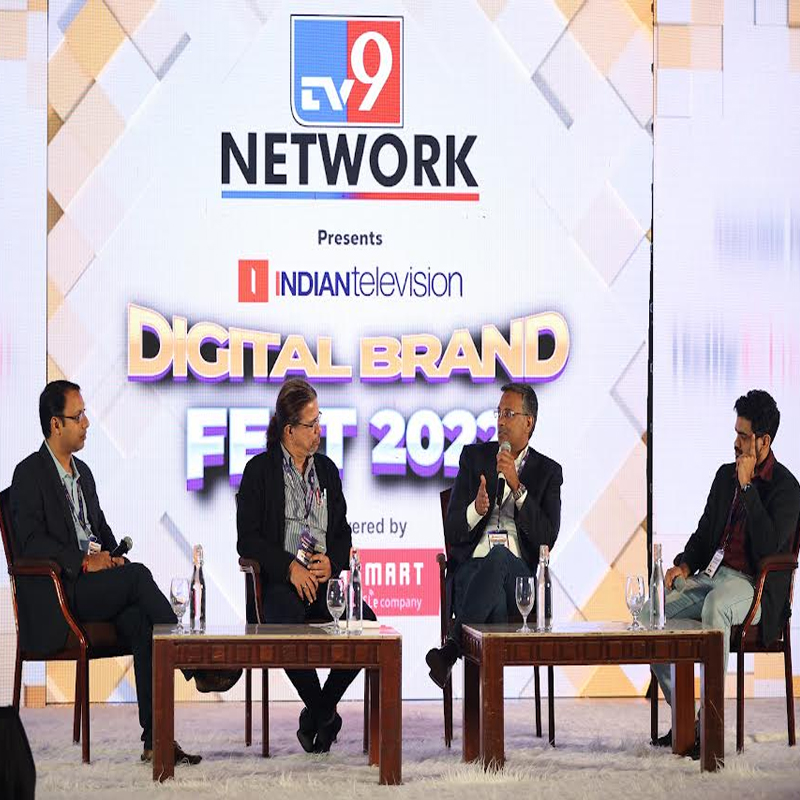
Mumbai: The second edition of the Indian Digital Brand Fest (IDBF) 2022, which took place on 12 October at ITC Maratha, Mumbai, ran an intriguing panel discussion on the topic “Content Marketing for Web 3.0,” which brought together minds and thoughts on how content marketing is going to be the next big thing and how essential it is going to become to understand the consumer.
The session was chaired by Indiantelevision.com Group founder, CEO & editor in chief, Anil NM Wanvari.
Beginning the session and putting things into perspective with the topic of web 2.0, TV9 Network managing editor R Sridharan said, “If you look at the innovation that has happened in web 2.0 is far greater than what we saw much before. Earlier it was static content, then in web 2.0 we saw that it allowed people to interact with content like becoming a publisher on Twitter, Facebook. It became richer in many ways. In that way web 2.0 has done an incredible job in making content an integral part of marketing for every chief marketing officer (CMO).
“More than advertising, content marketing is important, and for that web 2.0 has done a great job. Web 2.0 has been a great learning experience from a content marketing perspective,” he added.
However, Madison India vice president Kosal Malladi was of the view, “We have done a job in content marketing, but have we done a good job? I’m not so sure. When content marketing started, we thought that the end consumer wanted to know everything, so initially the content marketing was quite bad. We are getting better; it’s an ongoing learning process.”
“We got to understand that if there’s too much content and information being bombarded on the consumer, then that’s also a problem,” pointed out HDFC ERGO General Insurance vice president marketing Alok Bhargava.
Talking about the onset of web 3.0, Sridharan brought out, “No one knows how it’s going to pan out, but some things are very apparent and obvious. Firstly, on the content side, it is going to become far more immersive, and secondly, it’s about privacy. These things are going to change the game, and brands have to understand how to know their customers and how to interact with them.”
He reiterated, “Content marketing is going to become more important in web 3.0 because, as a brand, I need to build communities and platforms where people will come on their own and share information about themselves.”
“It is about creating the right content in the first place – if you have created some content which is not engaging the consumer and the consumer is not enthusiastic about it, then you have to have a harder look at what you’ve created. Researching the customer and what would keep them engaged is probably the most important thing,” Sridharan pressed.
Needless to say, content will become extremely powerful if it is done the right way. He said, “If the customer sees value in interacting with you, he/she will come back to you again and again. You won’t have to persuade them.”
Bhargava opined, “Content creates a good factor for any brand. If your content is not good, you will have to push it harder to the consumer.”
According to Malladi, most of the content marketing is paid. Sridharan was quick to add, “When a piece of content is dishonest to the consumer, it’s not going to work. They are able to see through when the brand is not being authentic.”
Regarding whether digital will overtake TV in outreach, Malladi said, “If you are advertising on digital, it’s not just the reach that happens but your ad is also seen on multiple devices.”
“Yes, digital will overtake eventually, with connected TV taking over linear TV family viewing habits in India. The content has to be medium-appropriate,” said Bhargava.