MAM
Kohli brand driving on the up

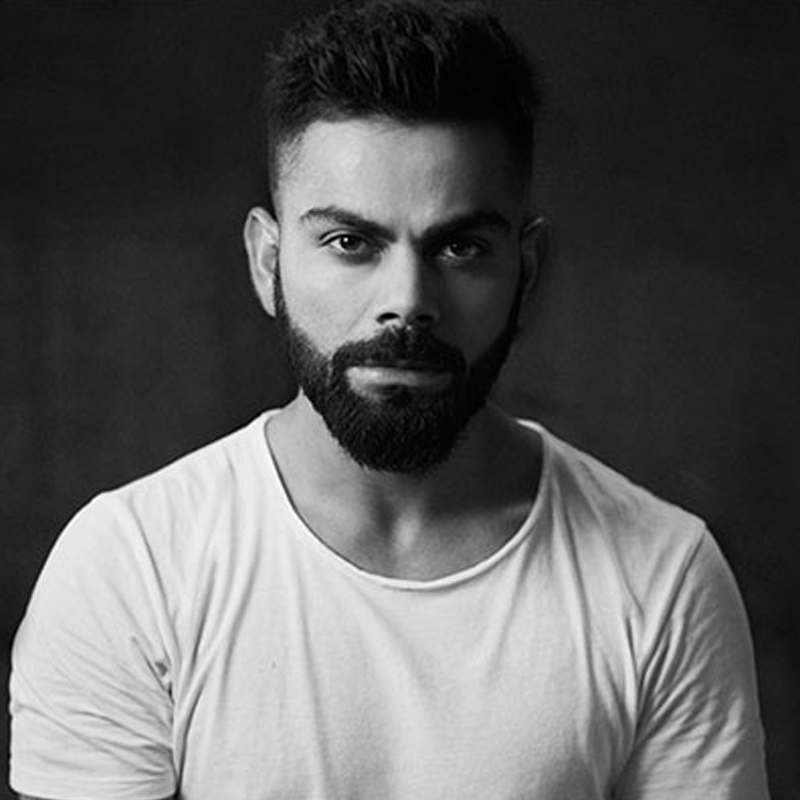
MUMBAI: From a rambunctious maverick to becoming India’s most celebrated player, Virat Kohli is the man that brands pay crores to get on board.
Kohli has emerged as the star celebrity of Indian advertising and brands are willing to spend crores to get him. The Indian cricket captain’s brand equity was valued higher than football star Lionel Messi in the Forbes top 10 list of global athletes of 2017 at an estimated value of $14.5 million. According to a recent report by corporate advisers Duff & Phelps, Kohli is India’s most valuable brand surpassing even Bollywood’s king Shah Rukh Khan who held the title since 2014.
Known for his innings, temper and wise choices on field, cricket fans have seen Kohli turn from a brash young boy into a decisive and strong-willed leader. As he matured in his life and cricket, so did his decisions on the brands he associates himself with.
While the early glamour may have pushed him to advocate Pepsi and Fair & Lovely Men, he eventually decided to move away from these brands. He was signed up as the brand ambassador for Pepsi in 2011 but refused to renew the contract which ended in April 2017, saying at the time that he would not ask people to consume something that he himself does not. Kohli said, “Things that I’ve endorsed in the past – I won’t take names – but something that I feel that I don’t connect to anymore. If I myself won’t consume such things, I won’t urge others to consume it just because I’m getting money out of it.”
Many saw his move as a sign of a man who believes in himself and someone who has invested his mind, heart and body in his role as a leader in society. “I want to give something to people that I use myself. One of the reasons I decided not to sign Pepsi is that I have undergone a lifestyle change. It might have been big money for me and a very lucrative deal but I opted out as we need to have some thought behind the products we promote and we must understand that people trust us,” he added.
Kohli also no longer endorses fairness creams or products of that genre since equating success with skin fairness goes against his values.
Other brands he decided to stop endorsing include 3C Company, Celkon Mobiles, Cinthol Soap, Clear Shampoo, Fair & Lovely, Fastrack Watches, Flying Machine, Mattel, Munch chocolate, Oakley Sunglasses, Red Chief Shoes, Sangam Suitings and Toyota Motors.
It was reported in 2013 that Kohli’s brand endorsements were worth over Rs 100 crore with his bat deal with MRF to be the costliest deal in Indian cricket history.
In 2017, he signed an eight-year endorsement deal with Puma for Rs 110 crore, becoming the first Indian sportsperson to hit the ton with a brand. The Manyavar face today endorses over 20 brands. Some of his iconic brand associations are with Gionee Mobile, Colgate, Vicks Vapo Rub, Boost, American Tourister, and Punjab National Bank among others.
Several eyes rolled when he signed with Royal Challenge but he has always maintained that he does not endorse or promote alcohol in any way but is rather promoting the brand’s energy drink. He recently signed deals with Uber India and snack company TOO YUM.
But what makes Virat Kohli such a huge hit where he now seems to have surpassed Amitabh Bachchan and Shahrukh Khan to become every Indian brand’s first choice?
Brand expert Saurabh Uboweja believes Virat Kohli’s consistency in performance on the field and he being an icon who stands for the values the youth of India resonates with, has made him a hot pick. He adds, “Kohli exudes the charm and attitude of a celebrity and loves the media, limelight and is a natural performer both on and off the field.”
Kohli has an undying love for sports and with football being his second favourite sport, Kohli became a co-owner of Indian Super League club FC Goa in 2014. He is also the co-owner of International Premier Tennis League franchise UAE Royals and JSW-owned Bengaluru Yodhas franchise in Pro Wrestling League.
Kohli is one of the few cricketers who have an equal taste for cricket and fashion (media). In 2014, Kohli along with Universal Sportsbiz (USPL) launched a youth fashion brand for men WROGN. He has also invested Rs 90 crore to start his own chain of gyms and fitness centres across the country, under the name Chisel. In 2016, Kohli started Stepathlon Kids, a children fitness venture, in partnership with Stepathlon Lifestyle.
The young cricketer still has a long road and career ahead and his star value is unlikely to dim anytime in the future. It will be exciting to see how his brand associations shape going forward as he is the only cricketer in India today that brands are dying to align themselves with.