MAM
James Bailey named Media CEO at dentsu UK & Ireland


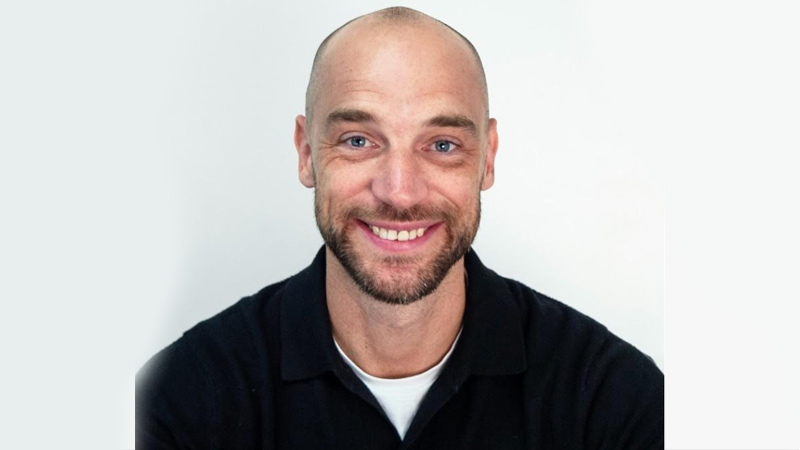
LONDON: Dentsu has handed the reins of its UK and Ireland media business to James Bailey, naming him Media CEO with immediate effect as the network accelerates its Media++ growth strategy.
Bailey steps up from his role as CEO of iProspect UK, where he has led the agency since its 2021 consolidation with Vizeum. During that time, he oversaw a unified operation across six locations and secured major account wins including Kering, eBay, Netflix and Tapestry.
The appointment comes at a time when dentsu is repositioning media as more than just buying and planning. Under its Media++ approach, media is framed as the engine for client growth, bringing together audience strategy, activation, content, CRM, data and technology.
Bailey will report to Annette Male, CEO of dentsu UK and Ireland. He takes over from Shenda Loughnane, who has been leading the media organisation on an interim basis since July 2025 alongside her global role at dentsu X.
Loughnane now takes on an expanded remit as market lead for Ireland while continuing as global president of dentsu X. Based in Dublin, she will report jointly to Will Swayne, global practice president for media and integrated solutions, and to Bailey.
During Bailey’s tenure at iProspect, the agency placed third in Recma’s UK media rankings in 2025, second in campaign’s new business rankings and earned a shortlist spot for Agency of the Year at the Campaign Media Week awards. Bailey himself was shortlisted for Media Agency Leader of the Year, adding to his earlier recognition as a three time Campaign top ten media suit.
Annette Male said Bailey had built “something transformational” at iProspect and would now focus on ensuring each of dentsu’s media brands had the tools and ambition to drive growth for clients.
Will Swayne added that both Bailey and Loughnane had played key roles in shaping the Media++ strategy and would help accelerate its rollout across the UK and Ireland.
For his part, Bailey said he was keen to nurture what he called some of the most future ready media talent in the UK, with the aim of building a world class team focused on measurable growth for clients.
Loughnane said she was delighted to take on the Ireland leadership role, adding that the combination of global insight and local experience would drive integrated growth in the market.
The leadership changes reflect dentsu’s push to align its regional structure with the Media++ strategy and sharpen its growth focus across both markets. With Bailey now steering the UK and Ireland media business and Loughnane anchoring the Ireland operation while continuing her global remit, the group is betting on a blend of local leadership and international scale to drive its next phase of expansion.