
MAM
India’s Gen Z emerges as $1.3 trillion consumer force by 2030: Report
Young consumers reshape beauty, fashion, travel and fitness markets


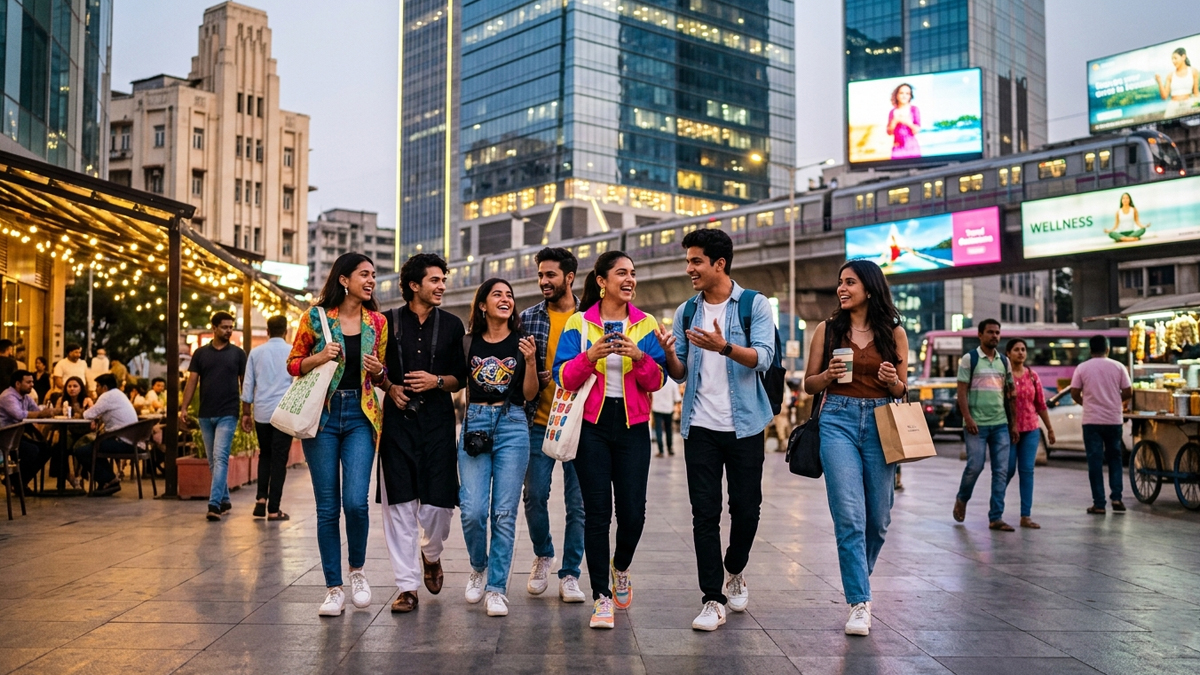
MUMBAI: India’s Gen Z is fast emerging as the country’s most influential consumer force, poised to reshape spending patterns across industries from beauty and fashion to travel and fitness. By 2030, the generation is expected to account for about 27 per cent of India’s population and command nearly $1.3 trillion in consumption, according to a report by Redseer Strategy Consultants.
Often described as the reverse generation, Gen Z wields influence well beyond its own wallets. Their digital fluency and cultural awareness increasingly shape what households buy, making them informal decision makers within families and a critical audience for brands hoping to stay relevant.
Born into a world of smartphones and constant internet access, Gen Z grew up navigating online spaces as naturally as the physical world. The Covid-19 pandemic only accelerated this shift, pushing much of their education, social life and discovery online. As a result, they are more comfortable with digital platforms and social communities than older generations.
Now entering the workforce, older members of the cohort are beginning to spend in ways that reflect identity and individuality. Peer circles often influence their choices more than traditional advertising, while values such as inclusivity, authenticity and self expression play a significant role in how they select products and brands.
Beauty and personal care is one sector where their impact is already visible. By 2030, Gen Z is expected to command a nearly $19 billion share of India’s beauty and personal care market. Many young consumers are moving away from legacy routines, building personalised regimens instead. One in two Gen Z women spends more than 20 per cent of disposable income on beauty products, while the average number of products used has doubled.
Beauty habits are also becoming increasingly gender neutral. Interest in men’s skincare has surged, with searches for “men’s skincare routine” rising by around 850 per cent in the past five years. The men’s grooming category has expanded rapidly, with the number of brands in the space quadrupling over the last decade.
Fashion is another area where Gen Z’s influence is unmistakable. By the end of the decade, the cohort is expected to drive about half of India’s fashion market across apparel, footwear and accessories. Their style choices are closely tied to social media trends and pop culture, including global influences such as K-pop and early 2000s aesthetics.
Yet despite their appetite for trends, Gen Z shoppers remain price conscious. Fast fashion items priced below Rs 1,000 dominate their wardrobes, and their average online purchase price is roughly half that of millennials. For many, comfort is just as important as style, with casual and semi formal clothing becoming the preferred workplace attire.
Health and fitness are also central to the generation’s lifestyle. Nearly half of Gen Z consumers report exercising daily, while about a third spend at least 20 per cent of their income on fitness and sports related activities. The growing popularity of sports such as pickleball, futsal and badminton has spurred demand for new sporting venues and communities across urban India.
Nutrition trends reflect a similar shift. Around 80 per cent of Gen Z consider protein intake essential, and interest in alternative protein sources is rising. Quick commerce platforms have responded by expanding their range of protein supplements sharply in recent years. By 2030, the generation is expected to drive about $40 billion in spending on fitness and sports.
Travel, too, is being reimagined through a Gen Z lens. The cohort could command more than 45 per cent of India’s travel and tourism market by 2030, growing at nearly twice the pace of the broader industry. Social media plays a powerful role in shaping travel choices, with many young travellers favouring experiences such as camping, hiking and group activities over conventional sightseeing.
Accommodation preferences are shifting accordingly. Hostels, apartments and other unconventional stays are gaining traction as budget conscious travellers seek unique and social experiences. Demand for such options has grown sharply in recent years as more young Indians travel solo or in small groups.
Online communities also play a major role in how Gen Z socialises. Mobile gaming has become a key space for connection, particularly among young men. About 70 per cent of Gen Z boys play mobile games, collectively accounting for a significant share of India’s growing new media market.
Interestingly, while gaming fosters digital communities, dating apps have not seen the same enthusiasm. Fewer than one in three Gen Z users actively use online dating or matrimony platforms, often viewing them as less authentic ways to build relationships.
For brands, the message is clear. Gen Z consumers respond strongly to identity driven messaging, authenticity and peer validation. More than half say they prefer products that reflect who they are, while many discover brands through digital creators and social media content.
That means marketing strategies are evolving. Brands are shifting from aspirational messaging towards identity affirmation, emphasising personal expression, community and cultural relevance. Creator collaborations, product personalisation and accessible pricing paired with strong product performance are increasingly becoming the formula for winning over this cohort.
As Gen Z settles into its spending years, the brands that connect with them now may gain one of the most durable competitive advantages of the decade.






