MAM
India leads emerging trends in internal communication, Nexticshift study finds
Study highlights AI, scale and pressure as key drivers

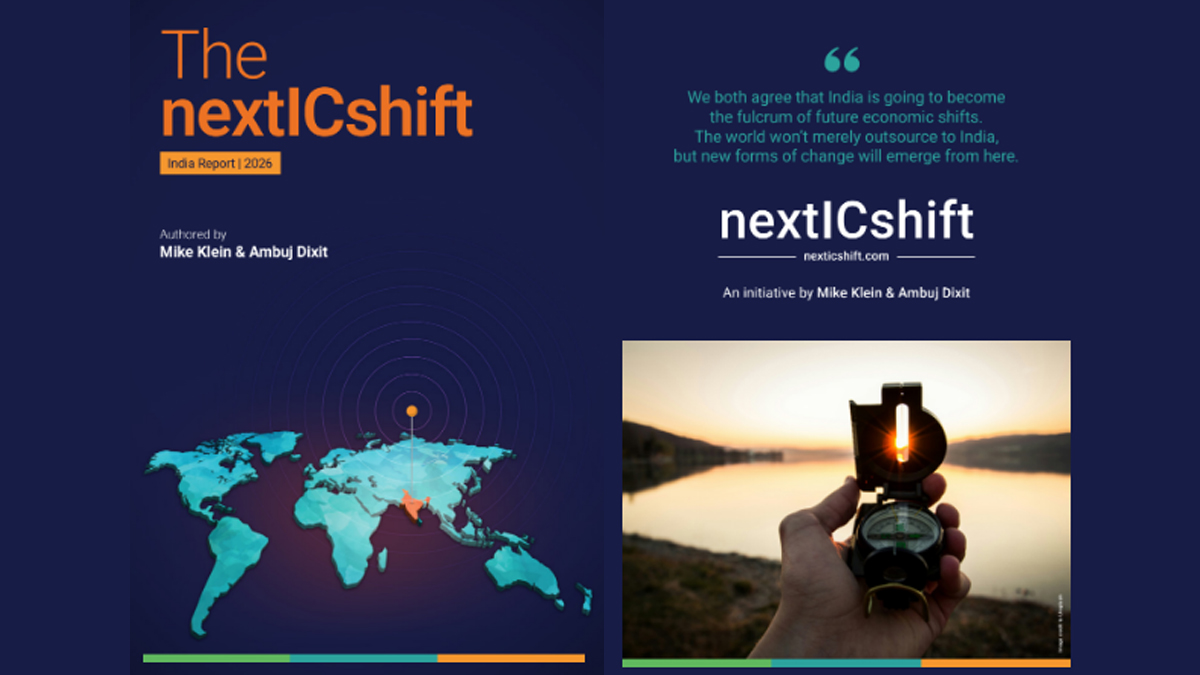
INDIA: India is emerging as an early signal market for the future of workforce and internal communication, according to a new study released under the Nexticshift initiative, which argues that the country is beginning to shape trends other markets will face next.
The report challenges the assumption that Indian internal communication practices merely follow western models. Instead, it finds that India’s scale, speed and pressure-filled operating environment are pushing organisations to adopt more pragmatic, outcome-driven approaches, accelerated by artificial intelligence and demographic change.
With an estimated workforce of nearly 640 million, larger than that of the EU, the US and the UK combined, India represents one of the world’s most complex communication environments. Fewer legacy systems, a younger workforce and rapid, necessity-led AI adoption are reshaping how organisations connect people, priorities and purpose.

The study is based on a five-city listening tour conducted across Mumbai, Delhi, Bengaluru, Hyderabad and Pune in November and December 2025. Researchers held 60 in-depth conversations with chief communication officers, senior internal communication leaders, global capability centre executives, academics and practitioners.
The report was led by Europe-based practitioner Mike Klein, and Ambuj Dixit, based in Mumbai, drawing on nearly five decades of combined experience across corporate, agency and consulting roles.
Its central finding is that intensifying commercial and delivery pressures, combined with limited budgets and resources are forcing internal communication teams to prioritise effectiveness over activity. The function is shifting away from culture-building alone towards enabling clarity, coordination and risk management across large, fast-moving organisations.
As AI compresses timelines and accelerates decision-making, the value of internal communication is increasingly measured by outcomes rather than volume. Routine work is being automated, freeing teams to focus on sharper leadership messaging and more memorable communication as competition for employee attention rises.
“India offers a compressed view of the conditions many organisations globally are only beginning to experience,” said Klein. “That makes it an important place to understand where internal communication is heading.”
“This research is not about best practices or benchmarks,” said Nexticshift co-founder Dixit. “It is about listening carefully to practitioners and recognising how the function is being reshaped by real operating pressure.”
Positioned as an industry resource rather than a prescriptive playbook, the report argues that internal communication is becoming a strategic capability, central to organisational resilience and performance, rather than a support function focused on managing employee sentiment.





Brands
HP launches Smart Champs learning game show with JioStar for students
Sanya Malhotra hosts quiz series blending fun, learning and prizes
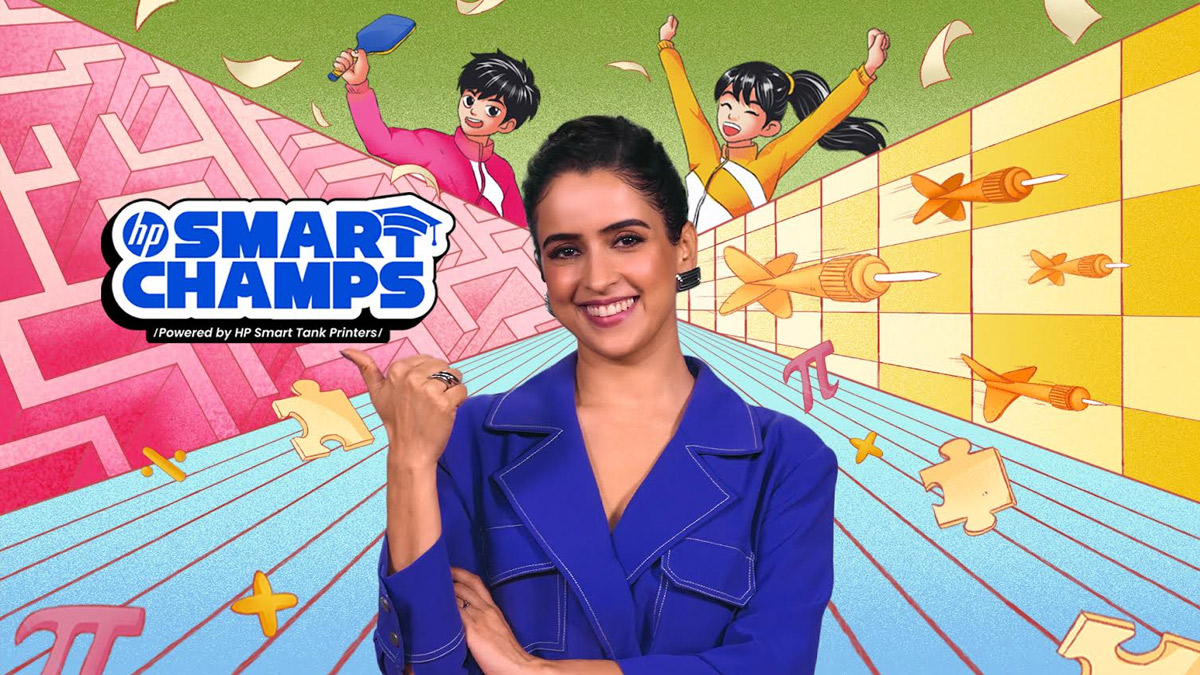
NEW DELHI: HP India has teamed up with JioStar to launch HP Smart Champs, a new learning-based game show designed to make education engaging for school students across the country.
Hosted by Sanya Malhotra, the 10-episode series brings together students from Grades 5 to 9, who compete in teams through quiz and puzzle-based challenges that test knowledge, logic and teamwork. The show will begin streaming on JioHotstar from April 11 and will premiere on Nick on April 18, with weekend episodes airing at 7 PM.
Powered by HP Smart Tank printers, the format integrates print-based learning into the gameplay, using worksheets, clues and visual problem-solving tools to encourage hands-on participation. The idea is to move students beyond rote memorisation and towards more applied, curiosity-led learning.
The competition promises high stakes, with winners set to receive a cash prize of Rs 10 lakh, while runners-up will take home Rs 5 lakh. Additional rewards include HP AI laptops, Smart Tank printers and accessories, while the winning school will be awarded an HP Smart Tech Lab.
Speaking about the initiative, HP India managing director Ipsita Dasgupta said, “At HP, we believe nurturing India’s youth is key to the country’s progress, and technology plays a foundational role in enabling this. With HP Smart Champs, we wanted to create something beyond traditional learning, a fun-filled platform where curiosity, creativity and critical thinking take centre stage.”
On the show’s reach, JioStar head entertainment sales Mahesh Shetty said, “HP Smart Champs reflects how children today learn through exploration and experience. With Nick and JioHotstar, we are creating a multi-screen approach that is both engaging and meaningful.”
Highlighting the role of print, HP India senior director print Satish Kumar said, “The show brings print-based learning to life in an engaging format, helping students develop deeper understanding through hands-on experiences.”
The journey to the finale began with participation from over 1,000 schools across 26 cities, narrowing down to 34 finalists who will compete in a studio showdown in Mumbai.
With its blend of entertainment, education and technology, HP Smart Champs is positioning itself as more than just a quiz show. It is a nationwide push to make learning interactive, accessible and, above all, a lot more fun.







