Brands
How Google views India’s internet landscape

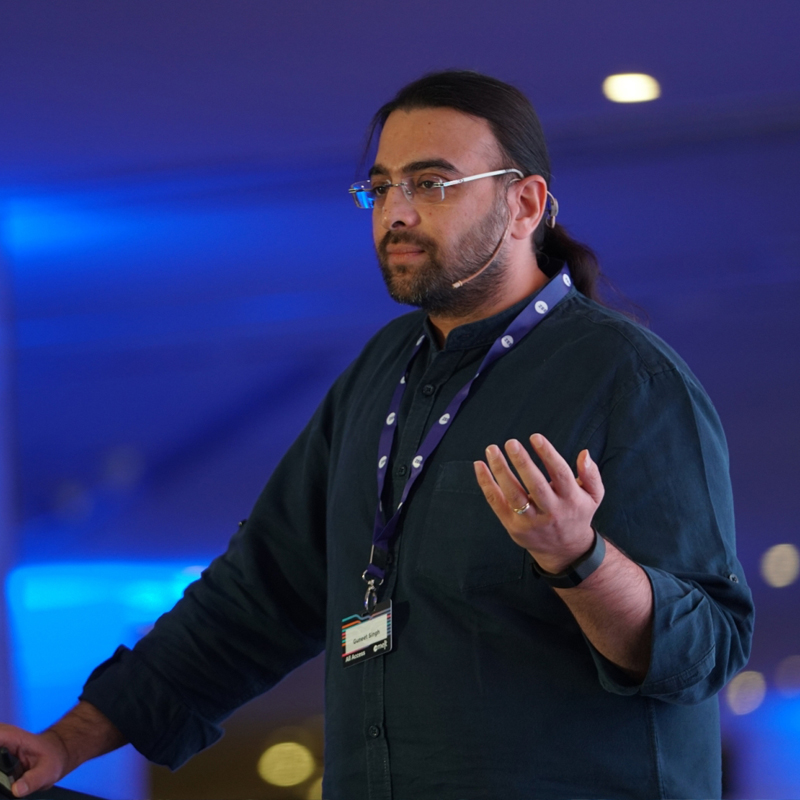
MUMBAI: After having worked with three tech giants of today – Google, Microsoft and Samsung – Guneet Singh is not hesitant to speak of the power of digital. The Google head of marketing solutions for India and SEA was speaking at the Zee Melt 2018 conference.
At Google since the time digital market was a minuscule fraction in the country, he believes that digital empowers people to market their products providing equal chance. As the industry transformed from TV to digital, creative ecosystem needs to change to understand how the consumption is happening.
“Internet market is led by two things. It’s led by the smart device which has to process and the good network. Both of those were struggling. The first big shift came between 2012-15 when prices were going down and quality of data improved. The next shift came after Jio entered the market,” he revealed in an interaction with Indiantelevision.com.

Owing to the large population, even when only 10 per cent of Indians were on the internet, India was a priority market for Google. Though India’s vast cultural and linguistic diversity makes it a challenging market, Singh thinks every company has to be ready to able to be flexible and appeal to users across the country. According to him, the best way to look at India is not as a country but as a region which has eight to nine geo-clusters or small countries.
India being a priority market, Google has a large marketing team in India. It likes to keep a multi-cultural team in every office. Along with a high number of local population, it also encourages people from other parts of the world to come and work in different countries paving the way to knowledge-sharing.
One of the major areas Google focuses on India is always having more people on the internet, to really get the value of the internet which is beyond funny videos. It is also working with manufacturers to look at ways to get great performance at affordable prices on Android devices. In 2016, Google launched, in collaboration with Indian Railways, its free high-speed public wi-fi service at five railway stations which has now reached around 400 stations.
“The second part is that as you grow beyond the first 100 million users, we have so many different languages, cultures, there’s an effort on trying to build a vernacularity. The focus is on the content on the internet which is primarily in English and then goes to Hindi, Punjabi, Telugu, Malayalam, Bengali, whatever India needs and next generation of Indian users comes up from that effort. That’s another big initiative we are taking,” Singh said.
While with the recent Cambridge Analytica scandal, GDPR roll out in Europe, protection of consumer data has become a burning issue worldwide, Singh also considers the issue very important. “The internet empowers people. Therefore the way data can be used should be a choice of that individual,” he said. However, he thinks it should not become a rightist movement. People should be given a choice if they are okay with sharing data for getting something better.
With an experience of more than 15 years in the industry, he thinks digital advertising needs to evolve to grab the eyeballs of an audience which has a very short attention span. Six-second videos aren’t always the goal but the right engagement. The optimistic man, however, firmly believes creativity is not dead.





Brands
Thermocool rolls out Navratri campaign on trains and stations
Nine day digital push blends devotion and storytelling for travellers
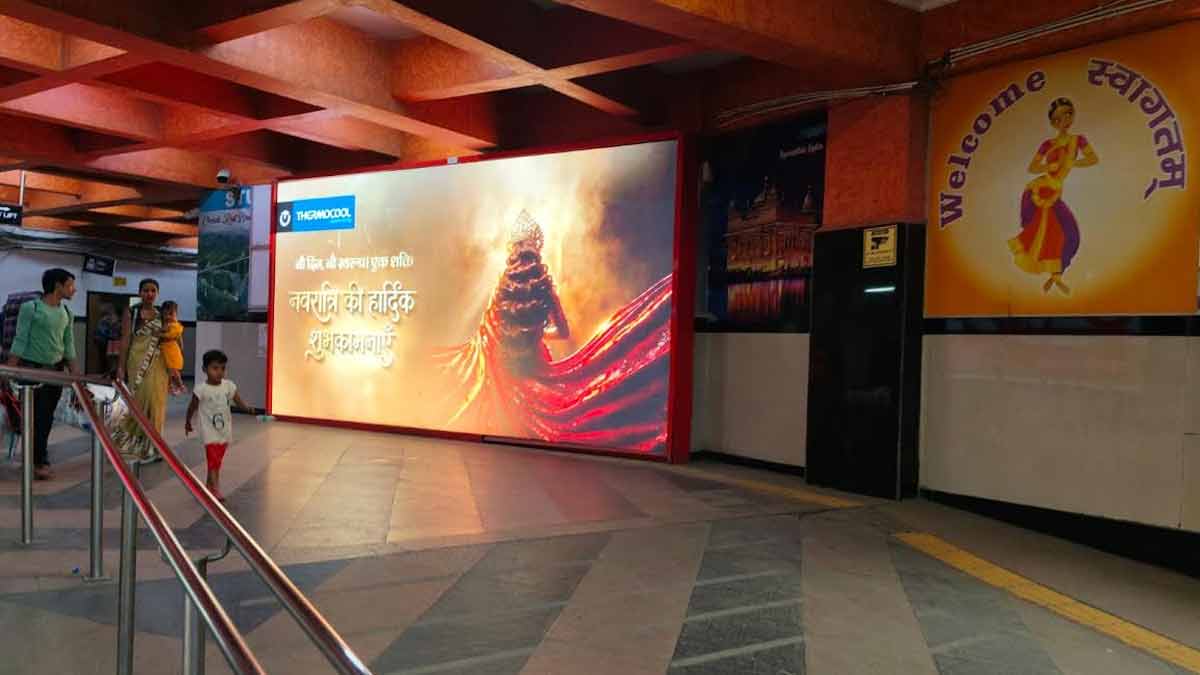
NEW DELHI: Thermocool Home Appliances has launched a high-visibility digital campaign during Navratri, turning railway stations and trains into storytelling spaces that blend culture with brand engagement.
The nine-day campaign spans key high-footfall locations including Katra, Anand Vihar, Gorakhpur, Prayagraj and Moradabad, along with the Vande Bharat Express on the Delhi-Katra route. Travellers encounter the campaign across station screens, concourses and onboard infotainment systems, making it hard to miss.
What sets the initiative apart is its narrative approach. Each day of Navratri is dedicated to one of the nine forms of Goddess Durga, with digital content explaining the significance and stories behind each day. The result is a campaign that does more than advertise, it informs and engages passengers in the middle of their journeys.
For director of sales and marketing Tanuj Gupta, the idea was to go beyond visibility. He noted that while Navratri is widely celebrated, awareness of its deeper meaning is often limited, and the campaign aims to bridge that gap in a simple and accessible way.
By tapping into high-traffic transit spaces, Thermocool is placing its message where audiences naturally gather, from busy platforms to train compartments. The repeated exposure across these touchpoints is designed to build familiarity while creating a more meaningful connection with consumers.
In a season marked by devotion and festivity, the campaign finds a clever middle ground. It turns everyday travel into a cultural moment, where storytelling travels alongside the passenger.