
eNews
Arvind KC joins OpenAI as chief people officer amid rapid expansion
Former Google and Meta executive to oversee hiring, systems and culture


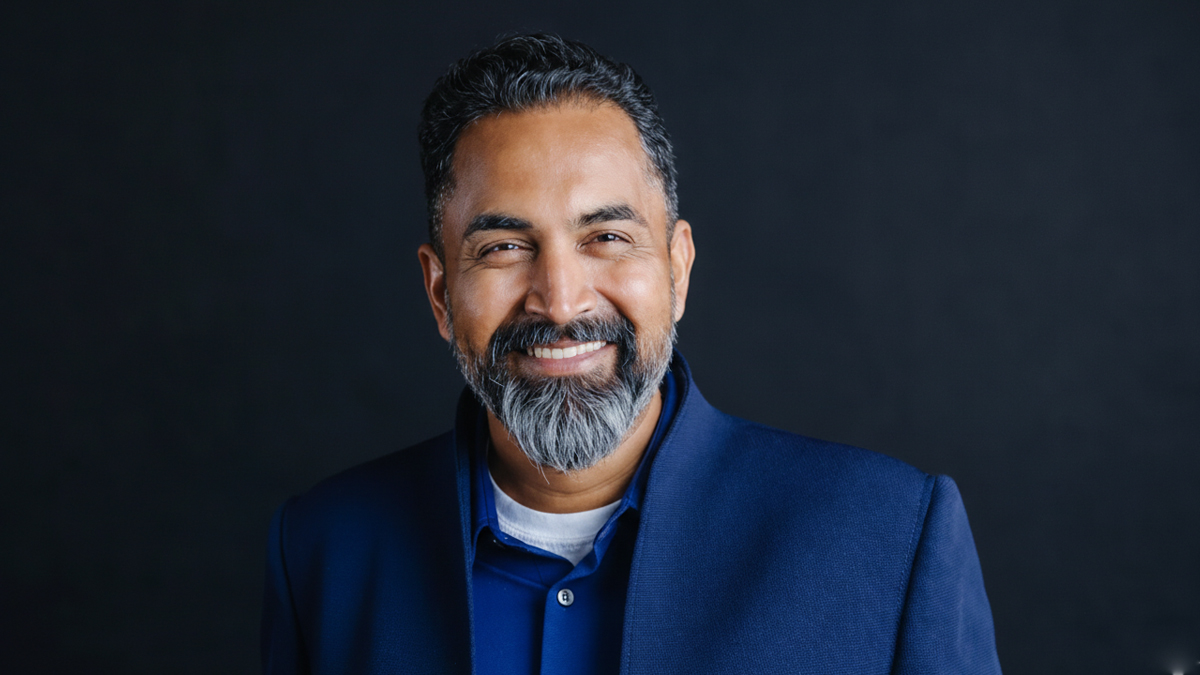
SAN FRANCISCO: OpenAI has appointed Arvind KC as its chief people officer, tasking him with overseeing talent, culture and organisational systems as the company continues to scale rapidly.
KC brings a blend of engineering and people leadership experience, having previously held senior roles at Roblox, Google, Palantir Technologies and Meta. His career has focused on building large technical teams and designing systems intended to support speed, collaboration and sustained performance.
At OpenAI, KC will oversee core people functions, including hiring, onboarding, development and internal policies, as the organisation adapts to the demands of rapid growth and increasingly AI-enabled work. The role places him at the centre of how the company manages workforce expansion while preserving its operating culture.
OpenAI CEO of applications Fidji Simo, said the appointment reflects the company’s belief that how it scales should align with the future it aims to shape. She said KC would play a critical role in ensuring that people processes and systems keep pace with the company’s ambitions without undermining the principles that have guided its growth so far.
The appointment comes as companies across sectors rethink how work is organised amid growing use of artificial intelligence. OpenAI said it sees an opportunity and a responsibility to develop practical models for how organisations can integrate AI into daily work while continuing to invest in human capability, skills and long-term growth.
KC said he was joining OpenAI at a moment when organisations globally are being forced to reconsider how teams operate, how roles evolve and how workers adapt as technology changes. He added that OpenAI’s position at the centre of the AI ecosystem made it a unique place to explore those questions in practice, alongside customers and partners.






