Brands
HDFC is India’s most valuable brand: Brandz India top 50 (2016)

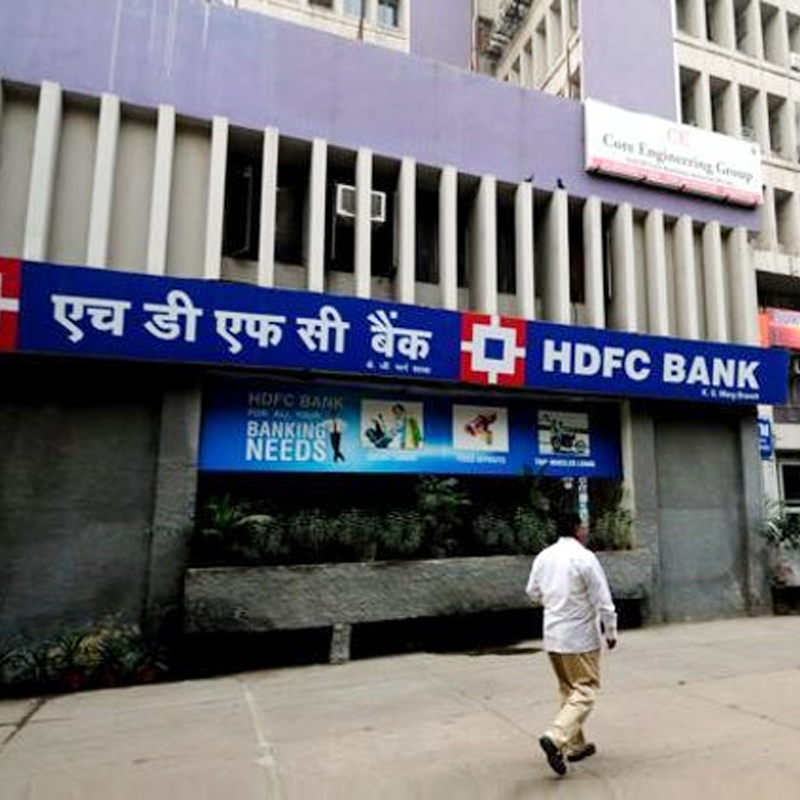
MUMBAI: The third annual BrandZ™ Top 50 Most Valuable Indian Brands ranking released by WPP and Kantar Millward Brown has lot of good and something bad for the marketing industry.
On the positive side, the total value of India’s most valuable brands has risen by 30 per cent over the last three years, with the top 50 brands now worth $ 90.5 billion from $ 69.6 billion in 2014. But, unlike 2015, which saw an unprecedented growth in terms of brand equity that pushed the brand value of top 50 brands to USD 92.2billion, 2016 saw a dip of 2 per cent, mostly owing to a decline in brand value of state-owned banks.
Like last year, the financial sector dominated the top 10 spots accounting for 38 per cent of the top 50s brand value ($ 34.28 billion). HDFC maintained its number one position for the 3rd consecutive year with a brand value of USD 14.4 billion following a 15 per cent growth over the past year. It was followed by Airtel from the telecom sector with a brand value of USD 9.98 billion. State Bank Of India with a brand value of USD 6.352 billion stood at number three. “A brand cannot be built unless each one of us at HDFC Bank believes in it. Fundamentally, a brand is what we stand for in terms of the emotional value and the real value that we want to deliver to the customer. The emotional value is a combination of honesty, trust, integrity and being able to deliver the product at all times to the satisfaction of the customer. The real value is to deliver a differentiated product which changes the life of the customer which we have tried to do in financial services by making it more convenient, ” said HDFC Bank managing director Aditya Puri.
Among the new entrants in the top 50 list are airlines Indigo and Jet Airways at 26 and 36 positions respectively, followed by TVS and Reliance at 48 and 50, respectively.
Top 10 most valuable brands here:
|
Rank 2016 |
Brand |
Category |
Brand value 2016 ($m) |
Rank 2015 |
|---|---|---|---|---|
|
1 |
HDFC Bank |
Banks |
14,438 |
1 |
|
2 |
Airtel |
Telecom Providers |
9,978 |
2 |
|
3 |
State Bank of India |
Banks |
6,352 |
3 |
|
4 |
Asian Paints |
Paints |
4,089 |
5 |
|
5 |
ICICI Bank |
Banks |
3,957 |
4 |
|
6 |
Bajaj Auto |
Automobiles |
3,403 |
6 |
|
7 |
Kotak Mahindra Bank |
Banks |
3,333 |
9 |
|
8 |
Maruti Suzuki |
Automobiles |
2,850 |
10 |
|
9 |
Hero |
Automobiles |
2,807 |
7 |
|
10 |
Axis Bank |
Banks |
2,377 |
8 |
Interestingly, the top four ranks remained unchanged from 2015 rankings, something which The Store WPP, EMEA & Asia CEO David Roth calls an anomaly when juxtaposed against other mature markets or the global ranks.
“Until recently in China, the top most valuable brand list was dominated by the state-owned Chinese companies, but now they are being taken over by technology and entrepreneurial companies. The global top 100 brands list has also seen some major changes. So yes, India is a bit of an anomaly as a developing state to see the same brands maintaining their positions for the last three years. But, I think it’s a matter of India’s growth and development cycle.”
But, that says little about the immense competition that each brand faced to retain its position. According to Kantar Millward Brown managing director for south Asia, Dinesh Kapoor, 27 brands had slipped from its last year’s position while seven more brands dropped off the top 50 margin. “Brands required maintaining at least 35 per cent growth in its brand value to be able to hold on to its position,” shared Kapoor.
Another way in which India drastically differs from the global markets is the absence of the technology brands from the top 50 list.
“Be it Global 100 or Asian market giant like China, technology brands have a huge presence in the top most valuable brands list. We see a clear absence of technology brands when it comes to India’s top 50 brands. Although India has been behind the scene of some of the major global technological innovations, it has been more from a service stand point rather than doing it in a branded way. I think there is a lesson to learn in this,” opined Roth.
Kapoor feels that the clear absence of Indian tech giants from the list is largely due to the companies not being listed. “You have to consider the methodology that goes into making this ranking. In order for a brand to be eligible for consideration for the list, it needs to be owned by a company listed on a stock exchange in India. But, most of the tech companies that we speak of aren’t listed. The other big difference from global trends is the retail brands which have a strong presence in the more mature markets, whereas in India, only one retail brand — Reliance Retail — has made it to the top 50 list.
The report also warns marketers of the weakened brand loyalty among consumers. Internet penetration has risen sharply as the number of people living in rural areas accessing internet almost doubled over the past year, with almost 69% of urban internet users using the internet every day. This access educates consumers while providing them access to larger diaspora of premium brands available at affordable prices.
While marketers have a lot to take away from the insight behind BrandZ India top 50 brands report, GroupM south Asia CEO CVL Srinivas shared what agencies can learn from this. “Reports like BrandZ are very useful for us who are in the business of media management for clients. In this age when competition is increasing and consumer’s attention span is decreasing, along with number of policy changes, a consolidated study like this helps us map a better strategy for our clients. For example, the need for a brand to be present in multiple touch points with a singular communication idea and what it does to the brand’s value is the learning.”