MAM
GUEST ARTICLE: How D2C brands are using metaverse and how it will transform virtual commerce


Mumbai: India’s direct-to-consumer (D2C) brands have grown tremendously during the pandemic and in the post-pandemic era, with a large cohort of consumers moving to digital in search of innovative products and more engaging and immersive experiences. The pandemic caused D2C brands to become super popular, which in turn forced large and established companies to jump on the D2C bandwagon. According to KPMG, there are over 800 D2C brands in India today, and the D2C sector, currently worth $44.6 billion, is expected to touch $302 billion by FY 2030.
D2C brands target young consumers, millennials and Gen Z, delivering personalisation at scale and increasing innovation in the virtual world and tap into the growing global virtual-commerce market, estimated to be worth $190 billion by CB Insights.
With technology becoming more affordable and sophisticated, D2C brands are at an advantage. In a controlled, immersive virtual environment, brands can offer customers the complete – albeit virtual – brand experience and deliver a lasting impact. For example, a virtual store in the metaverse is a brand experience in itself, with the brand mnemonics, signature sounds, layout, and colours. Consumers also get the option to interact directly with brand representatives. This enhanced brand experience goes a long way in building brand trust.

The metaverse is also good at customising experiences. Great customer service builds brand loyalty and customer retention. By analysing vast amounts of data on a customer’s interactions in the metaverse, brands can predict which products, solutions, and experiences individual customers would prefer and like. D2C brands are in a better position to serve better without being intrusive, thereby building and elevating the overall brand experience.
Popular homegrown D2C brands like Super Smelly, Argatin Keratin, Ochre Athletica, Indus People, and Zorin Furniture are looking to disrupt the market with their product positioning and personalised consumer experiences.
They have also taken bold steps to connect with their consumers in the metaverse and are working on innovative ways to enhance the virtual brand experience. They are already offering products and experiences and enabling commerce in the virtual world.
The metaverse is growing at a fast pace. In the first six months of 2022 alone, globally, over $120 billion has been invested in building metaverse infrastructure and technology. Moreover, the metaverse is steadily becoming an important component in the omnichannel sales strategy of companies.
Marquee brands such as Gucci have debuted in the virtual world with the metaverse. Gucci created Gucci Garden, a digital replica of the real-world installation (called Gucci Garden Archetypes) in Florence, Italy. Similarly, Sotheby’s, the world’s largest broker of art and luxury goods, created a metaverse gallery showcasing curated virtual art houses.
According to McKinsey, 79 per cent of consumers active in the metaverse have purchased products in the recent past.
These numbers show the power of the metaverse as a selling platform. It’s important for D2C brands to identify the right platform to reach out to their target audience and have an interactive content strategy to engage them.
Importantly, the privacy and safety of consumers have to be at the centre of every consumer-facing engagement that brands plan for consumers in the metaverse.
The author of this article is VOSMOS co-founder & Kestone president Piyush Gupta.






MAM
Ameya Velankar steps down as Uber’s head of marketing for India & South Asia
Veteran marketer exits after more than seven years with the ride-hailing giant.
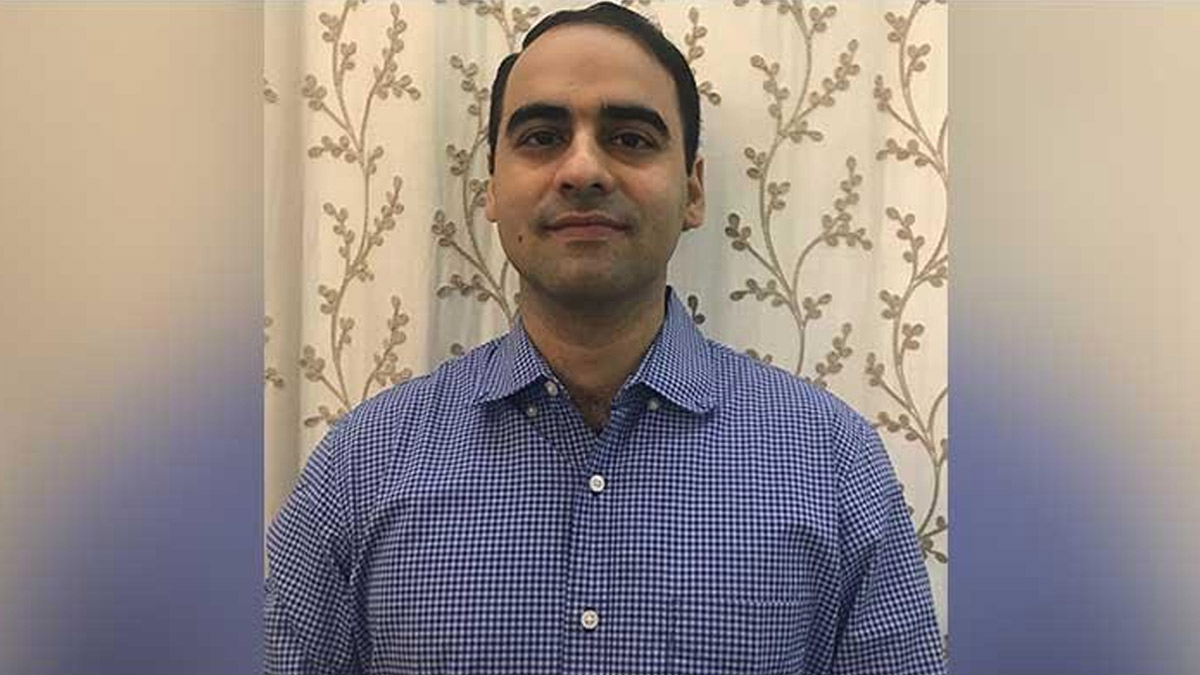
MUMBAI: After more than seven years of steering Uber through the bumpy roads of India’s mobility market, Ameya Velankar has decided to change lanes. Ameya Velankar has stepped down as Head of Marketing for India and South Asia, marking the end of a significant chapter at the ride-hailing company. He had been with Uber since 2019, taking on multiple roles in product and category marketing before rising to lead the marketing function for the region in 2021.
During his tenure, Velankar played a key role in strengthening Uber’s positioning in one of its most competitive and dynamic markets. He helped drive localised marketing strategies and scale adoption across key offerings such as Auto, Moto, Rentals and Intercity, tailoring global platforms to Indian consumer needs.
Prior to joining Uber, Velankar built his marketing expertise at leading consumer companies including SC Johnson and Marico, where he handled category and product leadership roles. His career began at RPG Enterprises.
Details of his next professional move have not been disclosed.
In a fast-evolving mobility landscape where brands constantly battle for attention, Ameya Velankar helped Uber stay relevant and resonant with millions of Indian users. As he moves on from the driver’s seat of marketing, the company will now look for fresh ideas to keep its wheels turning smoothly.






